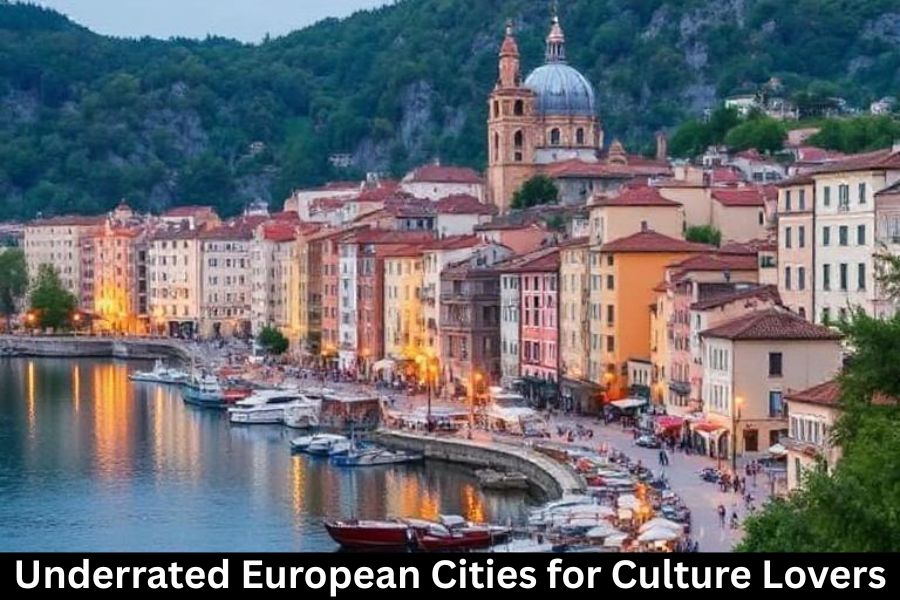
Europe is a treasure trove of cultural wonders. While cities like Paris and London are household names for their iconic museums, historic landmarks, and vibrant arts scenes, there are many underrated destinations across the continent that are equally—if not more—fascinating for culture lovers. These cities boast rich histories, hidden gems, and local experiences that can transport you through time and place, all while offering a more relaxed and intimate atmosphere. If you’re looking to step off the beaten path and dive deeper into Europe’s cultural tapestry, this list of underrated cities is for you.
Why Explore Underrated European Cities?
There’s something uniquely satisfying about discovering a place that hasn’t been overrun by mass tourism. Underrated European cities often offer a more authentic experience, where you can really immerse yourself in local culture, explore charming streets, and engage with locals who are proud of their heritage. Without the crowds, you get a better sense of what makes a place tick—whether it’s a vibrant arts scene, rich history, or dynamic contemporary culture.
Furthermore, exploring lesser-known cities often means you’ll get a more personal experience at museums, galleries, and historical sites. These destinations also tend to offer more affordable accommodations and dining options, making them perfect for culture lovers who want to enjoy everything a city has to offer without breaking the bank.
Top Underrated European Cities for Culture Lovers
Bratislava, Slovakia: A City of Castles and Classical Music
Nestled along the Danube River, Bratislava is a charming city that often gets overshadowed by its more famous neighbors, Vienna and Budapest. However, Bratislava has a rich history that dates back to Roman times and a vibrant cultural scene that includes classical music, opera, and ballet. Don’t miss the medieval Old Town, the impressive Bratislava Castle, and the beautiful St. Martin’s Cathedral. The city is also known for its music festivals, including the Bratislava Music Festival, which attracts classical music enthusiasts from all over the world.
Ljubljana, Slovenia: The Green City of Art and Culture
Ljubljana, Slovenia’s capital, is a picturesque city that blends natural beauty with a vibrant artistic scene. The Ljubljanica River winds through the heart of the city, flanked by quirky bridges, museums, and galleries. Ljubljana is known for its striking architecture, especially the work of Jože Plečnik, a renowned architect who helped shape the city’s identity. The city also hosts numerous festivals, including the Ljubljana Festival, which celebrates music, theater, and dance. Whether you’re visiting the Ljubljana Castle or enjoying the outdoor markets, you’ll find plenty of ways to engage with the local culture.
Tbilisi, Georgia: The Heart of Georgian Culture
Tbilisi, the capital of Georgia, is a crossroads of cultures, where Eastern European, Russian, and Middle Eastern influences come together in a fascinating blend. The city is home to stunning architecture, from ancient churches and fortresses to Soviet-era buildings and modern art galleries. Georgia is also famous for its wine-making traditions, which date back over 8,000 years, and Tbilisi is the perfect place to dive into the country’s rich culinary culture. Don’t miss the Tbilisi Opera House, the National Museum, and a walk through the historic Old Town.
Porto, Portugal: A City of Tradition and Modern Artistic Flourishes
Porto is a city of contrasts, where centuries-old traditions coexist with cutting-edge modern art. Known for its iconic port wine, Porto’s riverside district is a UNESCO World Heritage site, filled with colorful buildings and narrow, cobbled streets. The city is also home to the stunning Livraria Lello, one of the most beautiful bookstores in the world. Porto’s contemporary art scene is thriving, with several galleries and exhibitions that bring new life to the city’s cultural fabric. Porto’s architectural gems, such as the Dom Luís I Bridge and the Church of São Francisco, are also not to be missed.
Valencia, Spain: Where Tradition Meets Innovation
Valencia is often overshadowed by Spain’s more famous cities, but this city on the Mediterranean coast is a hidden cultural gem. Valencia is known for its stunning architecture, which blends traditional Spanish styles with futuristic designs, such as the City of Arts and Sciences. The city also boasts a number of world-class museums, including the Valencia Museum of Fine Arts. Valencia is famous for its festivals, particularly Las Fallas, a fiery celebration that features incredible sculptures, fireworks, and street performances. You’ll also find a thriving culinary scene, with paella originating from the region.
Cluj-Napoca, Romania: A Hub for Young Artists and Performers
Cluj-Napoca is often referred to as Romania’s cultural capital. This vibrant city in Transylvania is a hub for young artists, musicians, and performers, making it an exciting destination for anyone interested in contemporary culture. The city is home to a growing arts scene, with galleries, street art, and a lively music community. Don’t miss the National Museum of Transylvanian History and the beautiful St. Michael’s Church. Cluj-Napoca is also home to the Electric Castle Festival, one of the most popular music festivals in Romania.
How to Experience the Local Culture in These Cities
To truly experience the local culture in these underrated cities, be sure to visit their museums, galleries, and historical landmarks. Attend a local festival, and try to get a taste of the city’s culinary delights—each of these cities has unique flavors and food traditions that reflect their rich cultural heritage. Whether you’re wandering through local markets, attending an outdoor performance, or simply chatting with locals at a café, immerse yourself in the atmosphere of the city to get a deeper understanding of its culture.
Off-the-Beaten-Path Attractions in These Cities
While the major attractions are often on the tourist radar, these underrated cities have plenty of off-the-beaten-path gems. Seek out lesser-known galleries, hidden courtyards, or local theaters that offer intimate cultural experiences. In Ljubljana, you might find a quirky gallery hidden behind a street café, or in Porto, you could stumble upon a tiny but incredible music venue tucked away in the historic district.
Seasonal Events and Festivals to Attend
Each of these cities offers a range of cultural festivals throughout the year. Whether it’s a classical music festival in Bratislava, a wine-tasting event in Tbilisi, or the colorful Las Fallas festival in Valencia, visiting during a festival will give you a deeper appreciation for the city’s traditions. Always check the event calendar before you travel to make sure you’re in town for the most exciting cultural happenings.
Conclusion
Exploring the underrated cities of Europe is a rewarding experience for culture lovers. These cities may not be as well-known as their larger counterparts, but they offer an authentic and vibrant cultural experience that will leave you with lasting memories. From the historic charm of Bratislava to the artistic flair of Cluj-Napoca, these cities offer a wealth of cultural treasures waiting to be discovered.
FAQs
1. What is the best underrated city in Europe for culture lovers?
It depends on what you’re looking for! Cities like Tbilisi and Ljubljana are great for rich history and traditional culture, while Porto and Valencia offer a mix of modern and historic art scenes.
2. Are these cities more affordable than the major European capitals?
Yes, in general, these lesser-known cities tend to be more affordable in terms of accommodation, food, and attractions compared to major capitals like Paris or London.
3. What are the best times to visit these underrated cities?
Spring and autumn are great times to visit as the weather is pleasant, and the cities are less crowded. Many festivals also take place during these seasons.
4. Can I find good food in these underrated cities?
Absolutely! Each of these cities has a rich culinary scene, with local specialties that reflect their cultural heritage. Be sure to try the traditional dishes and wines.
5. Are these cities safe for tourists?
Yes, these cities are generally safe for tourists, but as with any destination, it’s always important to stay aware of your surroundings and follow local guidelines