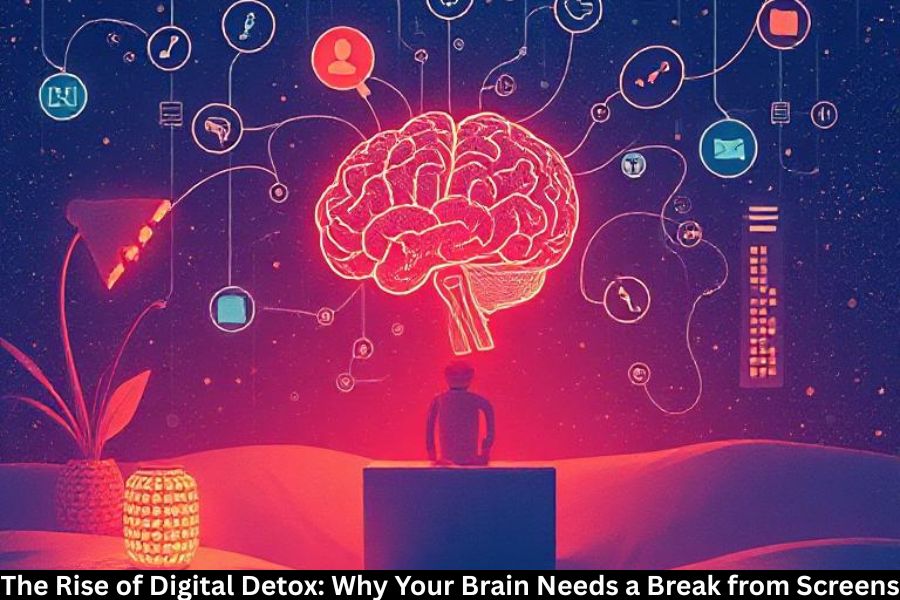
We live in an age where screens dominate nearly every aspect of our daily lives. From smartphones and laptops to smart TVs and tablets, it’s almost impossible to go a day without engaging with some form of digital technology. But as our screen time increases, so does the need for a digital detox. What does that mean, exactly? Simply put, a digital detox is taking a conscious break from screens—whether it’s for a few hours, a weekend, or even longer. And, believe it or not, your brain really needs it.
In this article, we’ll explore why stepping away from technology is becoming more important than ever, the benefits of a digital detox, and how you can start incorporating screen breaks into your life.
What is a Digital Detox?
A digital detox refers to the act of intentionally disconnecting from electronic devices to give both your mind and body a break. The purpose? To reset, recharge, and reduce the overwhelming effects of constant digital stimulation. It’s not about abandoning technology entirely—it’s about finding balance and giving your brain a chance to rest and refocus.
How Excessive Screen Time Affects the Brain
It’s easy to get caught up in the excitement of scrolling through social media, binge-watching your favorite show, or answering emails at all hours of the day. But did you know that too much screen time can negatively affect your brain? Prolonged exposure to screens can cause cognitive fatigue, leading to problems like reduced focus, memory issues, and difficulty with decision-making.
According to various studies, the blue light emitted by screens can also interfere with our sleep cycles, affecting the brain’s ability to rest and recover. Chronic overuse of screens has been linked to a decrease in the brain’s capacity to perform essential functions, such as problem-solving and critical thinking.
The Link Between Digital Overload and Stress
As technology advances, so does our need to be constantly connected. While being “always on” might seem like a luxury, it can actually be a source of stress. The pressure to reply to emails, check social media notifications, and stay updated on the latest news can create what’s known as “information overload.” This constant mental chatter leads to anxiety and burnout, particularly when we feel we’re always behind or falling short.
When you’re attached to your device 24/7, your brain remains in a constant state of alertness. This means it doesn’t have a chance to relax and recharge, leading to heightened stress levels and potential mental health issues.
Signs You Might Need a Digital Detox
So, how do you know if you need a break from screens? Here are some signs that might indicate it’s time for a digital detox:
- Physical Fatigue: If your eyes are sore, dry, or strained from staring at screens for too long, your body is telling you it needs a break.
- Difficulty Focusing: If you find it harder than usual to concentrate on tasks, your mind may be overwhelmed with digital distractions.
- Feeling Anxious or Overwhelmed: Constantly checking notifications or feeling like you’re always “on” can lead to increased stress and anxiety.
The Science of Screen Addiction
You might think of screen time as a harmless pastime, but there’s more happening beneath the surface. Our brains respond to the instant gratification provided by screens, especially social media and apps. When you check your phone and see new notifications, your brain releases dopamine, the “feel-good” hormone. This creates a cycle of addiction, as you constantly chase that next hit of dopamine by returning to your devices.
This “dopamine loop” is what keeps us coming back to our screens, often without realizing how much time has passed. Over time, this addictive behavior can interfere with our real-world relationships and well-being.
Benefits of Taking a Break from Screens
Taking a digital detox doesn’t just improve your mental health—it can also boost your cognitive abilities. Here are some key benefits:
- Improved Focus and Mental Clarity: When you step away from your devices, you give your mind a chance to recharge. This leads to clearer thinking and better focus.
- Enhanced Creativity: Without constant distractions, your brain has more space to think creatively and solve problems more effectively.
Physical Benefits of Digital Detox
A digital detox can also improve your physical health. Here’s how:
- Better Sleep: Exposure to blue light from screens can interfere with melatonin production, making it harder to fall asleep. Taking a break from screens, especially before bed, can lead to better sleep quality.
- Reduced Eye Strain: Staring at screens for extended periods can lead to digital eye strain, resulting in headaches and blurred vision. A detox gives your eyes a much-needed rest.
- Reduced Risk of Health Issues: Long periods of screen time have been linked to issues like poor posture, back pain, and even higher risks of obesity due to sedentary behavior. A break from screens encourages movement and healthier habits.
How to Start Your Own Digital Detox
Starting your digital detox is easier than you might think. Here are a few simple steps to help you get started:
- Set Screen-Free Times: Designate certain times of the day (like during meals or before bed) as screen-free zones.
- Unsubscribe and Unfollow: Reduce unnecessary digital distractions by unsubscribing from email lists or unfollowing social media accounts that don’t add value.
- Engage in Offline Activities: Replace screen time with activities like reading, walking, or spending time with loved ones.
Tools and Apps for Managing Screen Time
Several apps can help you monitor and limit your screen time:
- Forest: This app encourages you to stay off your phone by growing a virtual tree that flourishes as you remain focused.
- Screen Time (iOS) and Digital Wellbeing (Android): These built-in tools allow you to track your screen usage and set limits on apps.
Setting Realistic Goals for Your Digital Detox
It’s important to set achievable goals when it comes to reducing screen time. Start small—maybe aim for an hour of screen-free time each day and gradually increase it. The key is consistency and balance.
The Role of Social Media in Our Digital Lives
Social media is one of the biggest contributors to digital overload. While it offers a great way to stay connected, it also fuels comparison, stress, and the constant need for validation. Taking regular breaks from social media can lead to a happier, more grounded sense of self.
Digital Detox for Families and Children
Digital detox isn’t just for adults. In today’s world, children are also heavily engaged with screens. It’s important to teach them the value of taking breaks from technology. Encourage family activities that don’t involve screens, such as hiking, cooking together, or playing board games.
The Future of Digital Detox: Will It Become the New Normal?
As we continue to navigate an increasingly digital world, the concept of a digital detox is gaining more traction. More people are realizing the importance of taking breaks from technology to maintain mental and physical health. Could the digital detox become the new norm? It’s certainly looking that way, especially as society becomes more aware of the impact of excessive screen time.
Conclusion
A digital detox is no longer just a trend—it’s becoming a necessity. With the rise of screen addiction, mental health issues, and physical ailments related to excessive tech use, taking a break from screens is an essential way to reset and recharge. Whether it’s for your brain, your body, or your relationships, stepping away from technology can have a profoundly positive impact.
FAQs
What’s the best way to start a digital detox?
Start small by setting aside specific times during the day when you don’t use any devices, such as during meals or before bed.
How long should a digital detox last?
A digital detox can be as short as a few hours or as long as a weekend or more. The key is consistency and making it a regular part of your routine.
Can I still use technology during a digital detox?
Yes, but the idea is to reduce non-essential screen time. Focus on using technology for productive purposes, not for mindless scrolling or endless notifications.
How do I manage my work while doing a digital detox?
You can set boundaries around work email or messaging apps. Consider scheduling “offline” times after work hours to give yourself a true break.
What are the signs I need a digital detox?
Signs include feeling anxious, distracted, or physically tired from prolonged screen exposure, as well as difficulty focusing or sleeping.