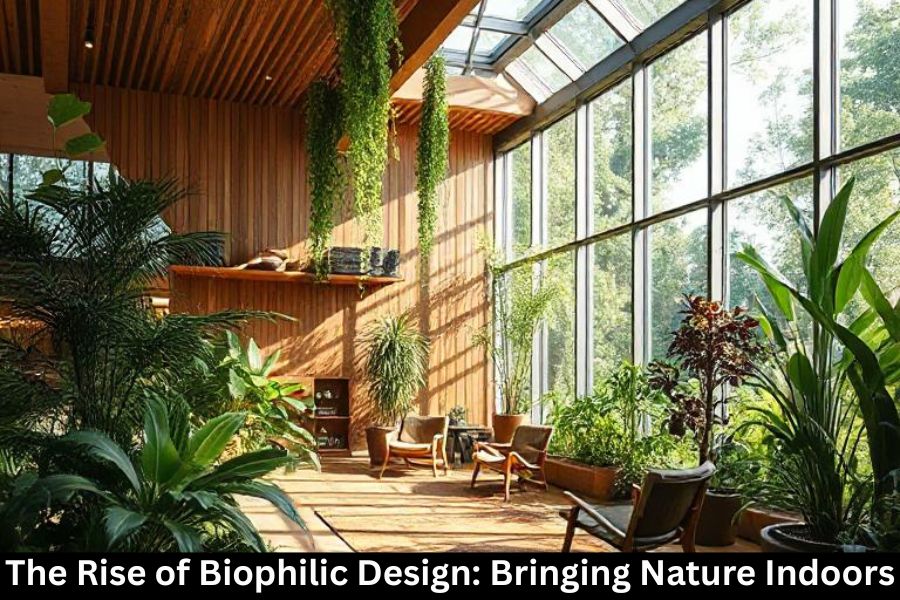
Biophilic design is more than adding a few plants around your home—it’s a design philosophy that intentionally incorporates natural elements into indoor spaces. Think sunlight, greenery, flowing water, earthy textures, and even nature-inspired shapes. It’s all about reconnecting people with the natural world, even in the heart of a city.
Why Biophilia Is Becoming Popular
With urban living on the rise and stress levels skyrocketing, people crave nature more than ever. Biophilic design answers that need by making indoor environments feel grounding, alive, and restorative.
The Science Behind Biophilia
The Human–Nature Connection
Humans evolved in nature, not concrete boxes. Our brains respond positively to natural patterns, greenery, and organic forms—it’s hardwired into our biology.
Psychological Benefits
Exposure to natural elements has been linked to reduced anxiety, improved mood, and sharper focus. Even a small indoor plant can make a surprisingly big difference.
Physical Health Improvements
Biophilic elements can improve air quality, regulate humidity, and even reduce blood pressure. It’s like giving your living space its own wellness upgrade.
Core Principles of Biophilic Design
Direct Nature Elements
Direct elements bring real nature indoors—plants, sunlight, water, and fresh air.
Plants, Water, Light
Indoor plants purify the air. Sunlight boosts serotonin. Water features add calming sounds that help reduce stress. Together, they create an environment that feels truly alive.
Indirect Nature Elements
These elements mimic nature without being directly natural.
Natural Materials, Shapes, Textures
Think wood furniture, stone countertops, woven baskets, or décor with flowing, organic shapes.
Spatial and Sensory Experiences
Biophilic design also focuses on how a space feels—open layouts, cozy corners, natural scents, and gentle ambient sounds.
Why Biophilic Design Is Transforming Modern Spaces
Increased Productivity and Focus
Studies show people work better when surrounded by natural elements. Offices with biophilic design report higher employee satisfaction and productivity.
Stress Reduction and Improved Well-Being
Nature has a calming effect. A space filled with natural light, plants, and natural textures can feel like a mini-retreat.
Enhanced Creativity and Mood
Exposure to nature sparks creativity. It’s why so many artists seek inspiration outdoors—and why biophilic spaces fuel innovative thinking.
Biophilic Design in Homes
Living Rooms Inspired by Nature
Use plants, earthy tones, and soft natural lighting to create a warm, inviting atmosphere.
Bedrooms That Promote Rest
Natural fabrics, soft lighting, and air-purifying plants make your bedroom feel like a peaceful sanctuary.
Bathrooms as Wellness Retreats
Use stones, bamboo, warm lighting, and even small water features to create spa-like vibes.
Kitchens With Organic Touches
Wooden shelves, herb gardens, and natural stone countertops help bring nature into your daily routines.
Biophilic Design in Workspaces
Plants and Natural Light in Offices
Large windows, green walls, and desk plants can transform even the most sterile office.
Nature-Based Layouts for Collaboration
Curved furniture and open layouts encourage movement and creativity.
Employee Wellness Through Biophilia
Biophilic workspaces reduce burnout and help employees feel more energized.
Biophilic Design in Schools and Institutions
Learning Environments Boosted by Nature
Nature-inspired classrooms improve focus, memory, and participation.
Outdoor–Indoor Classrooms
Schools are blending outdoor spaces with indoor learning, making education more engaging.
Sensory Spaces for Special Needs Students
Biophilic elements offer comfort and reduce overstimulation, helping students feel safe and grounded.
Biophilic Design in Commercial Buildings
Hotels and Hospitality
Hotels use green walls, indoor gardens, and natural materials to create calming, luxurious spaces.
Retail Spaces
Biophilic design helps stores feel more welcoming and encourages customers to stay longer.
Healthcare Environments
Nature-themed hospitals have faster recovery rates and calmer patients.
Simple Ways to Incorporate Biophilia
Adding Indoor Plants
Start simple—succulents, ferns, or peace lilies can instantly add life to any room.
Using Natural Materials
Wood, linen, clay, and stone add warmth and authenticity.
Maximizing Light and Ventilation
Open windows, use mirrors, and declutter to improve natural light flow.
Nature-Inspired Art and Decor
Prints of landscapes, botanical wallpapers, and nature-themed sculptures work wonders.
Challenges and Considerations
Budget Limitations
Natural materials can be pricier, but starting small still makes an impact.
Maintenance Issues
Plants and water features need care—choosing low-maintenance options can help.
Choosing Authentic Materials
Sustainable, real materials are more beneficial than synthetic look-alikes.
The Future of Biophilic Design
Smart Home Integrations
Automated lighting mimicking natural sunlight cycles is becoming more common.
Sustainable Architecture Trends
Green roofs, eco-friendly materials, and energy-efficient designs are shaping the future.
Growing Demand in Urban Living
As cities get denser, indoor nature becomes essential—not optional.
Conclusion
Biophilic design isn’t just a trend—it’s a lifestyle shift that brings nature’s healing power into everyday spaces. Whether at home, work, or school, integrating natural elements can transform environments into nourishing, inspiring, and calming places that support your well-being. In a world that often feels rushed and artificial, biophilic design offers a breath of fresh air—quite literally.
FAQs
1. What is the main goal of biophilic design?
To reconnect people with nature through design elements that mimic or incorporate natural surroundings.
2. Is biophilic design expensive?
It doesn’t have to be. Simple additions like plants or natural light improvements can make a big difference.
3. Can biophilic design improve mental health?
Yes—nature-inspired spaces are known to reduce stress, anxiety, and fatigue.
4. How can I start adding biophilic elements at home?
Begin with plants, natural materials, and maximizing sunlight.
5. Is biophilic design suitable for small spaces?
Absolutely. Even tiny rooms benefit from greenery, natural textures, and strategic lighting.