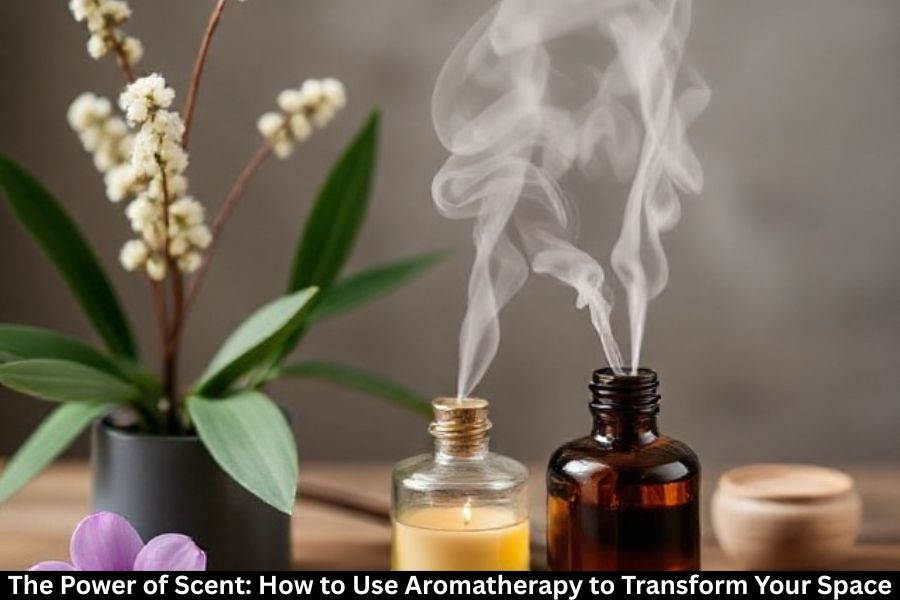
A scent can shift your entire mood in seconds. Think about how a whiff of lavender can calm your nerves or how citrus instantly feels refreshing. Aromatherapy taps into this incredible power, turning ordinary spaces into relaxing sanctuaries, energizing work zones, or cozy hideaways—just through the right fragrances.
Let’s explore how you can use aromatherapy to elevate every corner of your home.
Understanding Aromatherapy
What Is Aromatherapy?
Aromatherapy is the practice of using natural plant extracts—known as essential oils—to enhance well-being. It’s a holistic technique used in homes, spas, and even medical settings to promote emotional, mental, and physical balance.
The Science Behind Scents and Mood
Scents travel directly to the limbic system, the part of the brain responsible for emotions and memories. That’s why a scent can instantly relax, energize, or uplift you before you even realize what’s happening.
How Essential Oils Work
Essential oils are concentrated extracts from flowers, leaves, fruits, seeds, or roots. A few drops can fill an entire room, providing therapeutic benefits when inhaled or diffused.
Benefits of Aromatherapy in Your Living Space
Boosting Relaxation and Reducing Stress
Scents like lavender, ylang-ylang, and chamomile help calm the nervous system—perfect for evenings or stressful moments.
Improving Sleep Quality
Essential oils such as cedarwood and bergamot can ease anxiety and prepare your body for sleep.
Enhancing Focus and Productivity
Peppermint, rosemary, and lemon stimulate mental clarity, making them ideal for your workspace.
Creating Emotional Balance
Aromatherapy can help stabilize mood swings, increase happiness, and soothe irritability.
Types of Aromatherapy Applications
Diffusers
Diffusers are one of the most popular aromatherapy tools.
Ultrasonic Diffusers
These use water and vibration to disperse a cool mist with essential oils. They’re great for humidifying and scenting a room simultaneously.
Nebulizing Diffusers
These require no water and deliver the purest scent experience. They use air pressure to release undiluted essential oil particles.
Candles
Aromatherapy candles add both fragrance and ambiance. Choose natural soy or beeswax candles infused with pure essential oils.
Room Sprays
Quick and convenient, room sprays instantly refresh your space with a few spritzes.
Oil Burners and Warmers
These gently warm essential oils to release fragrance—a cozy option for evenings.
Choosing the Right Essential Oils
Oils for Relaxation
- Lavender
- Chamomile
- Sandalwood
- Ylang-Ylang
Oils for Energy and Focus
- Peppermint
- Lemon
- Rosemary
- Eucalyptus
Oils for Sleep and Calm
- Cedarwood
- Bergamot
- Vetiver
- Clary Sage
Oils for Purifying and Freshening Spaces
- Tea Tree
- Lemongrass
- Grapefruit
- Pine
How to Use Aromatherapy in Different Rooms
Living Room
Create a welcoming vibe with warm, grounding scents like sandalwood, orange, or patchouli.
Bedroom
Use gentle, relaxing oils such as lavender or cedarwood to create the perfect sleep sanctuary.
Bathroom
Transform your bathroom into a spa with eucalyptus, peppermint, or rosemary.
Home Office
Boost concentration with lemon, rosemary, or basil blends.
Kitchen
Neutralize odors with refreshing and cleansing scents like lemongrass or tea tree.
Creating Mood-Based Scent Zones
Uplifting Zones
Use citrus oils—think grapefruit or lime—to brighten your mornings.
Calm and Cozy Zones
Lavender, vanilla, and sandalwood help create peaceful corners for reading or meditation.
Focus Zones
Peppermint and rosemary sharpen concentration in work or study areas.
Fresh and Clean Zones
Tea tree, pine, and eucalyptus help keep the air feeling crisp and clean.
Safety Tips for Using Essential Oils
Dilution Guidelines
Never apply essential oils directly to the skin without dilution. Follow recommended ratios for sprays, diffusers, and topical blends.
Safe Use Around Pets and Children
Some oils can be irritating or unsafe. Always research suitability before diffusing around little ones or animals.
Proper Storage and Handling
Store oils in dark glass bottles away from heat and sunlight to maintain potency.
DIY Aromatherapy Recipes
Relaxing Room Spray
- 10 drops lavender
- 5 drops chamomile
- Distilled water in a spray bottle
Energizing Diffuser Blend
- 3 drops lemon
- 2 drops rosemary
- 2 drops peppermint
Cozy Bedtime Blend
- 4 drops cedarwood
- 3 drops bergamot
- 2 drops lavender
Refreshing Kitchen Spray
- 6 drops tea tree
- 4 drops lemongrass
- 4 drops grapefruit
- Distilled water
Common Mistakes to Avoid
Overusing Strong Oils
A little goes a long way. Too much oil can overwhelm the room and cause headaches.
Mixing Too Many Scents
Stick to 2–3 oils for balanced, harmonious blends.
Using Low-Quality Oils
Cheap oils may contain artificial fragrances or chemicals. Always choose pure, therapeutic-grade options.
Conclusion
Aromatherapy isn’t just about making your home smell good—it’s about transforming how you feel in your space. With the right scents and tools, you can create an environment that nurtures your mood, supports your well-being, and reflects your lifestyle. Whether you want calm, energy, or clarity, the power of scent can help shape the atmosphere you desire.
FAQs
1. Can I use essential oils every day?
Yes, but keep usage moderate and rotate scents to avoid sensitivity.
2. Which scent is best for reducing stress?
Lavender is the most popular, but chamomile and ylang-ylang are also great choices.
3. Are essential oils safe for pets?
Some are, but many are not. Always check safety guidelines before diffusing around animals.
4. How long should I run a diffuser?
20–30 minutes at a time is usually enough for effective aromatherapy benefits.
5. Can aromatherapy help improve productivity?
Absolutely. Oils like lemon, peppermint, and rosemary can boost concentration and alertness.