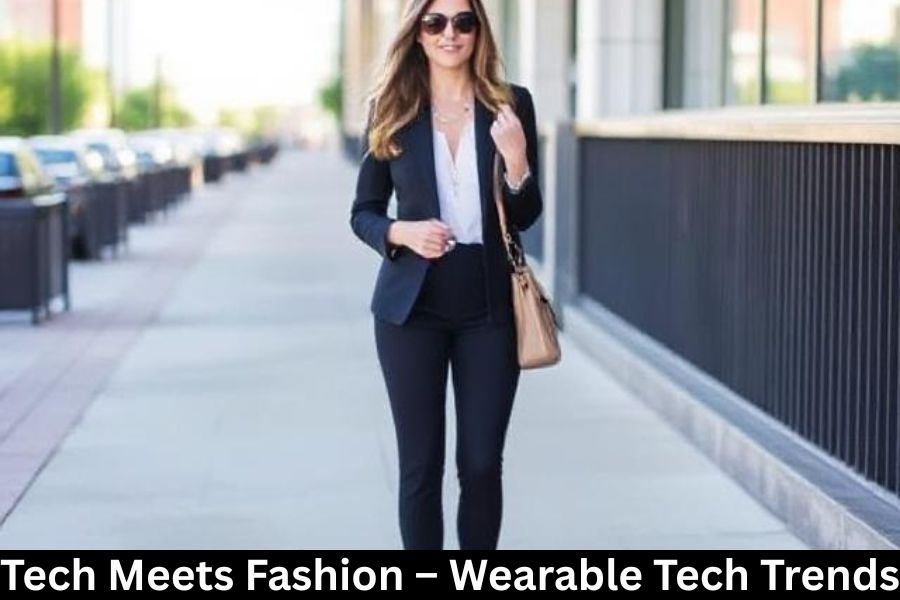
Wearable tech has quickly shifted from being a futuristic concept to a vital part of our daily lives. Today, technology doesn’t just live in our pockets—it lives on us, blending seamlessly with our fashion choices. Whether it’s a smartwatch matching your outfit or sneakers tracking your steps, the fusion of style and innovation has transformed everyday accessories into smart companions.
How Fashion and Technology Are Merging
Tech companies and fashion brands are collaborating more than ever. Gone are the days when wearables looked bulky or overly mechanical. Now, they’re sleek, stylish, and designed to complement personal aesthetics. Think of smart rings, chic fitness trackers, or designer smartwatches that look like jewelry.
Why Wearables Are Becoming a Lifestyle Essential
People want convenience, personalization, and real-time insights. Wearable technology offers all three. You can monitor health stats, receive notifications, track sleep, or even pay for your coffee—all without pulling out your phone.
The Evolution of Wearable Tech
From Functional Gadgets to Style Statements
Wearables initially focused on functionality—fitness tracking, step counting, heart rate monitoring. Over time, consumer expectations shifted. Now, people want gadgets that look good while performing brilliantly. Brands responded by combining elegant design with powerful tech.
Key Milestones in Wearable Tech History
- The first digital watches in the 1970s
- Bluetooth headsets in the early 2000s
- Fitness trackers becoming mainstream in the 2010s
- Smart clothing and AR glasses emerging in the 2020s
Each era introduced a trend that shaped the future of personal technology.
Smartwatches – The Everyday Essential
Health Tracking and Wellness Features
Today’s smartwatches are like mini personal trainers. They monitor heart rate, blood oxygen levels, calories, sleep cycles, and even stress levels. Some models offer ECG scans and menstrual health tracking—turning your wrist into a wellness hub.
Fashion-Forward Designs and Customization
Gone are the plain, boring bands. Now you can switch straps, pick designer editions, or customize faces based on mood or outfit. Smartwatches have become both tech tools and fashion accessories.
Smart Clothing – The Future of Fashion
Fitness and Performance-Enhancing Apparel
Imagine wearing leggings that correct your posture or shirts that track your breathing patterns. Smart clothing uses embedded sensors to enhance athletic performance and prevent injuries.
Temperature-Regulating and Self-Cleaning Fabrics
Smart fabrics can cool you down, warm you up, or repel dirt. These textiles save time, energy, and effort—perfect for modern lifestyles.
Smart Textiles for Medical Use
From monitoring heart conditions to detecting dehydration, smart medical garments are transforming healthcare. They provide real-time data to professionals, ensuring better patient care.
AR and VR Wearables
AR Glasses Transforming Daily Life
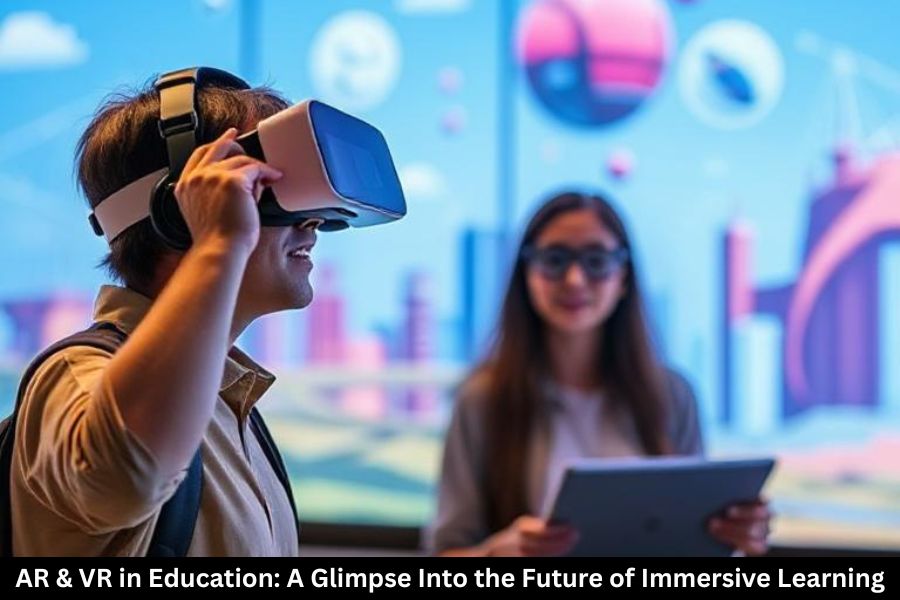
Augmented reality glasses are no longer a sci-fi idea. They offer navigation, hands-free work assistance, and real-time translations—all within your field of vision.
VR Headsets in Gaming and Workspaces
VR is revolutionizing entertainment, education, and remote work. Immersive environments allow users to collaborate, train, or just play in a virtual world.
Jewelry Meets Technology
Smart Rings for Health and Payments
Smart rings are tiny but powerful. They track sleep, heart rate, temperature, and even allow contactless payments—perfect for those who want subtle tech.
Tech-Embedded Bracelets and Neckpieces
From mood-sensing pendants to bracelets that double as emergency alert systems, jewelry tech blends elegance with functionality.
Wearable Tech in the Workplace
Enhancing Productivity and Safety
Employees in industries like manufacturing, construction, and logistics use smart helmets, glasses, and vests for safety and efficiency. Wearables help prevent accidents and enhance workflow.
Corporate Adoption Trends
More companies are adopting wearables for team coordination, health tracking, and improving wellness programs.
Sustainable Wearable Tech
Eco-Friendly Materials
Brands are shifting toward recycled plastics, plant-based fabrics, and biodegradable materials to reduce waste.
Energy-Efficient Devices
Solar-powered wearables and kinetic energy-based devices are gaining popularity, allowing people to charge gadgets naturally throughout the day.
Challenges Facing Wearable Tech
Privacy and Security Concerns
With so much personal data being collected, privacy becomes a major concern. Brands must ensure strong data protection and transparency.
Battery Life and Comfort Issues
Users expect longer battery life and lightweight designs. While tech has improved, some wearables still struggle with comfort and lasting power.
The Future of Wearable Fashion
Hyper-Personalized Wearables
Future wearables will analyze user behavior to offer highly personalized recommendations—from ideal workouts to mental wellness tips.
AI-Integrated Clothing and Accessories
Imagine jackets that adjust fit automatically or shoes that track posture throughout the day. AI integration will redefine how we experience fashion.
Conclusion
Wearable tech is no longer just about convenience—it’s about identity, lifestyle, and personal expression. As fashion and technology continue to blend, we can expect smarter, more stylish gadgets that are deeply integrated into our daily lives. From health-focused smartwatches to futuristic AR glasses, the journey of wearable technology is only just beginning. And the best part? It’s becoming more fashionable with every innovation.
FAQs
1. What is wearable technology?
Wearable technology includes smart devices worn on the body, such as smartwatches, smart clothing, and AR glasses.
2. How is wearable tech used in fashion?
Fashion brands incorporate technology into clothing, accessories, and jewelry to enhance both style and function.
3. Which wearable gadget is the most popular?
Smartwatches remain the most widely used wearable device worldwide.
4. Are smart clothes comfortable to wear?
Yes. Modern smart clothing uses soft, flexible materials designed for everyday comfort.
5. What’s the future of wearable tech?
AI-powered clothing, energy-efficient devices, and hyper-personalized wearables will dominate future trends.