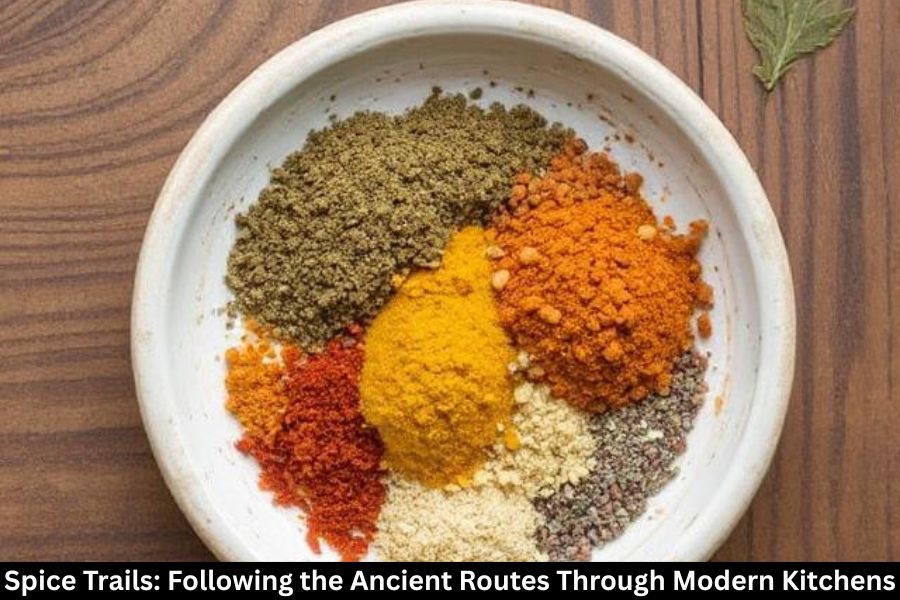
Spices have long been integral to human history, influencing everything from trade routes to cultural exchange and culinary traditions. From ancient civilizations to modern kitchens, spices have shaped the way we cook and eat. They are more than just flavor enhancers—they carry rich histories that tell the story of human exploration, conquest, and connection.
Spice Trade Routes: A Global Network
The journey of spices is not just a culinary tale—it’s also a story of global exploration. For centuries, traders have transported spices across continents, forging paths that would become known as the spice routes. These networks of trade routes helped connect the East with the West, bringing pepper, cinnamon, and saffron to kitchens far and wide.
How Spices Have Shaped Modern Kitchens
Today, spices continue to influence how we cook, not only in traditional recipes but also in the fusion of flavors in modern cuisine. But how did these spices find their way into our kitchens, and what lasting impact have they had on our daily meals?
The Ancient Spice Routes
The Role of the Silk Road
One of the most famous trade routes in history, the Silk Road, was crucial in the exchange of goods between East and West. Spices like cinnamon, ginger, and saffron traveled westward through Central Asia and the Middle East to reach Europe. This ancient route allowed the flavors of Asia to infiltrate European kitchens, altering the way food was prepared and enjoyed.
The Spices of the Indian Ocean
The Indian Ocean spice trade, which flourished from ancient times, was another pivotal route in the spread of spices. Southeast Asia, India, and the Middle East acted as key hubs in this network, with spices like cloves, nutmeg, and cardamom being exchanged for gold, silver, and other valuable goods. These spices enriched European cuisine, laying the foundation for what would become the global spice trade.
The Arab Influence on European Cuisine
Arabs played a significant role in the spice trade, not only as traders but also as cultural intermediaries. They introduced exotic spices to the Mediterranean region, influencing the culinary landscapes of Spain, Italy, and France. Arabic traders helped spread sugar, rice, and spices like saffron and cumin, forever changing the flavor profile of European food.
Key Spices That Traveled the World
Pepper: The “King of Spices”
Pepper, often referred to as the “king of spices,” is one of the oldest and most valuable spices to have traveled the ancient trade routes. Originating in India, it became a key commodity in European markets and was used not only to flavor food but also as a form of currency. Today, pepper is a staple in kitchens worldwide, essential in nearly every cuisine.
Cinnamon and Cloves: From Asia to Europe
Cinnamon and cloves, two of the most aromatic spices, also have deep historical ties to ancient trade. Both originated in Southeast Asia and made their way to Europe via the spice trade routes. While cinnamon was prized for its sweet, warming flavor, cloves became a symbol of wealth due to their rarity. Their presence in European kitchens signaled opulence and sophistication.
Turmeric and Ginger: Southeast Asia to the World
Turmeric and ginger, native to Southeast Asia, were vital in both culinary and medicinal traditions. As part of the spice trade, they were transported to Europe, Africa, and the Middle East. Today, turmeric’s vibrant yellow hue and ginger’s zesty flavor are indispensable in a wide variety of cuisines, from Indian curries to European pastries.
Saffron: A Golden Journey
Saffron, derived from the crocus flower, has been traded for centuries, with its journey starting in the Mediterranean and spreading to Asia. Known for its rich, golden color and delicate flavor, saffron was once considered more valuable than gold. It is still a sought-after spice today, used in luxurious dishes like paella and risotto.
The Impact of the Spice Trade on Modern Kitchens
The Fusion of Flavors Across Cultures
As spices traveled from one culture to another, they blended with local ingredients, creating new culinary traditions. Today, we enjoy an incredible variety of flavor combinations thanks to the fusion of spices from different parts of the world. Think of Indian curry with a dash of cinnamon or the use of cumin in Mexican tacos.
Modern Use of Ancient Spices in Contemporary Dishes
While the spice routes may be ancient, the way we use spices today is constantly evolving. Modern chefs are reintroducing traditional spice blends, infusing old flavors into contemporary dishes. Spices like turmeric and cumin are now part of everyday cooking, showing how ancient spices continue to influence modern cuisine.
The Role of Spices in Globalized Cuisine
Globalization has made spices more accessible than ever. Today, we can find almost any spice from anywhere in the world at our local supermarkets. This has transformed kitchens, making it easier for cooks to experiment with spices from different cultures and create fusion dishes that celebrate the world’s culinary diversity.
Spices and the Development of Trade Empires
The Portuguese and Dutch Spice Trade
The Portuguese and Dutch played significant roles in controlling the spice trade during the 15th and 16th centuries. They established colonies in spice-rich regions like India, Indonesia, and Sri Lanka, monopolizing the production and export of valuable spices such as cloves and nutmeg. Their influence helped shape the global spice market that exists today.
The British East India Company
The British East India Company also had a major role in the spice trade, particularly in controlling the flow of tea, pepper, and other spices from the East to Europe. The company’s economic dominance in Asia made spices an essential part of colonial trade and furthered the spread of spices in European kitchens.
The Spice Wars: A Global Struggle for Control
The quest for control over the spice trade led to fierce competition and wars between European powers. The so-called “Spice Wars” were fought over territories that controlled the spice-producing islands of the East Indies. These conflicts not only changed the geopolitical landscape but also brought exotic spices into the hands of European consumers.
Spices in the Modern Kitchen
The Renaissance of Traditional Spice Blends
In recent years, there has been a renaissance of traditional spice blends like garam masala, ras el hanout, and curry powder. These blends, once crafted by regional cooks, have gained global popularity as chefs and home cooks alike rediscover the rich flavors they provide. These blends represent the heritage of ancient spice traders, now reimagined in modern kitchens.
Health Benefits and the Rise of Superfoods
Many of the spices that traveled ancient trade routes are now celebrated for their health benefits. Turmeric, ginger, and cinnamon are often touted as “superfoods” due to their anti-inflammatory and antioxidant properties. As health-conscious eating trends continue to rise, these ancient spices are gaining popularity for both their flavor and their health benefits.
Cooking with Spices: Techniques and Tips
Using spices in cooking can be an art form in itself. From toasting seeds to using fresh versus dried herbs, the proper techniques for using spices can make a huge difference in the depth and complexity of flavor. Whether you’re preparing a simple soup or a gourmet dish, understanding how to blend spices can elevate your cooking to new heights.
The Spice Market Today
Global Demand for Spices
The spice market today is a thriving global industry, with spices like vanilla, saffron, and black pepper in high demand. As more people around the world embrace diverse cuisines, the market for these aromatic ingredients continues to expand.
Sustainability and Ethical Sourcing of Spices
With the global demand for spices growing, there is an increasing focus on sustainability and ethical sourcing. Many spice-producing regions are now focusing on fair trade practices, ensuring that farmers receive a fair wage for their work. Ethical sourcing is key to maintaining the viability of the spice trade for future generations.
The Future of the Spice Industry
As the world becomes more connected, the future of the spice industry looks bright. Innovations in spice cultivation, harvesting, and distribution will continue to make spices more accessible, while the increasing popularity of exotic and lesser-known spices will help diversify our culinary experiences.
Conclusion
A Journey from Ancient Routes to Modern Plates
The story of spices is more than just about flavor—it’s a tale of trade, exploration, and cultural exchange that spans thousands of years. From the ancient spice routes to the modern kitchen, spices have always been at the heart of human connection.
The Timeless Appeal of Spices
Despite the advancements in food production, spices remain timeless. They hold the power to transform ordinary dishes into extraordinary experiences, and their rich histories continue to fascinate chefs and home cooks alike.
Celebrating Spices in Our Kitchens
As we embrace spices in our kitchens, we honor the ancient trade routes that brought these flavors to our plates. The legacy of the spice trade is alive in every dish we prepare, connecting us to the past while creating new culinary experiences for the future.
FAQs
What are the most important spices in world history?
Pepper, cinnamon, cloves, turmeric, and saffron are among the most important spices in world history due to their historical significance in trade and their enduring presence in global cuisines.
How did spices influence European cuisine?
Spices introduced new flavors to European cuisine, enriching dishes and creating a more diverse culinary landscape. The introduction of spices like pepper and cinnamon revolutionized cooking techniques and food preservation.
What are the health benefits of spices?
Many spices, such as turmeric and ginger, are known for their anti-inflammatory and antioxidant properties, contributing to better digestion, immune support, and overall health.
How can I start using more spices in my cooking?
Start small by experimenting with commonly used spices like cumin, paprika, or cinnamon. Gradually incorporate them into your dishes and explore new spice blends to add depth to your meals.
What is the future of the spice trade?
The spice trade will continue to thrive as global demand for spices rises. With a focus on sustainability and ethical sourcing, the spice industry is poised to grow and diversify, offering new opportunities for farmers and consumers alike.