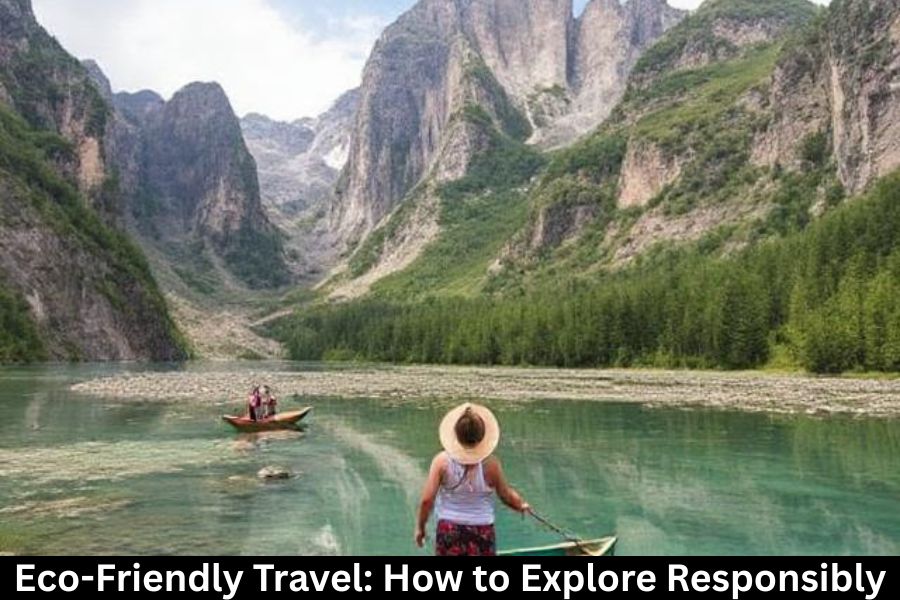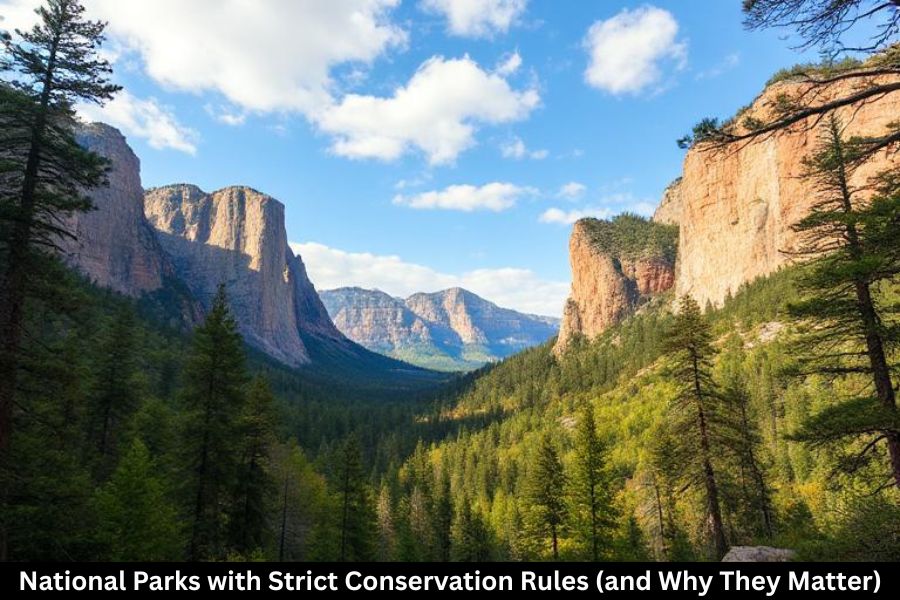
National parks are the crown jewels of our planet, safeguarding some of the most stunning landscapes and diverse ecosystems known to humankind. But these areas of natural beauty need protection. Strict conservation rules within national parks are the bedrock of efforts to preserve these treasures. From restricting human activities to enforcing wildlife protection, these rules ensure that the delicate balance of nature is maintained. In this article, we’ll explore why these rules matter and highlight several national parks around the world that rely on them to preserve their ecological integrity.
What Are Conservation Rules in National Parks?
Conservation rules in national parks are a set of guidelines and regulations designed to protect natural environments, wildlife, and ecosystems from harm. These rules can cover a wide range of activities, including restricted access to certain areas, limits on camping, fishing, or hunting, and regulations on waste disposal or the use of fire. The aim is to minimize human impact on the land and ensure that natural processes can continue uninterrupted.
While each park may have different regulations, depending on its unique needs, the overall goal is the same: to protect both the environment and its inhabitants from exploitation or damage.
Why Conservation Rules Matter
Protection of Endangered Species
One of the primary reasons for conservation rules is to protect endangered species. Many national parks, like Kruger National Park in South Africa or the Galápagos Islands, are home to unique animals that could be wiped out without proper protection. Stricter rules help regulate hunting, poaching, and even human interference with animal behavior, giving these species a fighting chance to thrive.
Preservation of Ecosystems and Biodiversity
Ecosystems in national parks are often fragile, with thousands of interconnected species relying on one another. A single disturbance, such as introducing an invasive species or overfishing a specific area, can have cascading effects that disrupt the entire ecosystem. Conservation rules are designed to minimize these risks, ensuring that the biodiversity within these parks is preserved.
Prevention of Human Impact
Humans, despite our best intentions, have often been responsible for the degradation of the environment. Whether it’s pollution, overuse of natural resources, or habitat destruction, human activities can be detrimental to national parks. By instituting conservation rules, parks can better control visitor behavior, waste management, and activities that could negatively affect the environment.
Yellowstone National Park, USA
Yellowstone, the first national park in the world, is home to a wide variety of wildlife, including bison, elk, and grizzly bears. To preserve its delicate ecosystems, Yellowstone enforces strict conservation regulations. These include rules against approaching wildlife, restrictions on off-road vehicle use, and guidelines on camping to prevent overuse of sensitive areas.
Why These Rules Matter
Yellowstone’s geothermal features, including hot springs and geysers, are especially vulnerable to human interference. These features are not only visually stunning but also biologically significant, providing unique habitats for microorganisms. Conservation rules help prevent damage to these rare ecosystems and maintain Yellowstone’s role as a living laboratory for scientific research.
Great Barrier Reef Marine Park, Australia
The Great Barrier Reef is one of the most biodiverse ecosystems on the planet, yet it is under constant threat from human activity, including overfishing, pollution, and climate change. To safeguard this fragile marine environment, the Great Barrier Reef Marine Park Authority has implemented strict conservation rules, such as designated no-take zones where fishing is banned, and limits on the number of tourists allowed to visit certain areas.
Why These Rules Matter
The rules are essential for protecting coral reefs, which are incredibly sensitive to changes in water quality, temperature, and human impact. These regulations are critical in helping the reef survive against the growing pressures of climate change and pollution.
Galápagos Islands National Park, Ecuador
The Galápagos Islands are world-renowned for their unique species, such as giant tortoises and marine iguanas. Because of their unique biodiversity, the Galápagos has some of the strictest conservation rules in the world. Visitors must follow specific routes, avoid disturbing wildlife, and adhere to strict biosecurity measures to prevent the introduction of invasive species.
Why These Rules Matter
The Galápagos Islands are a natural laboratory for evolution, where species have evolved in isolation. Without strict conservation rules, invasive species could easily disrupt these delicate ecosystems, leading to the extinction of some of the world’s most iconic creatures.
Kruger National Park, South Africa
Kruger National Park is one of Africa’s largest and most famous wildlife reserves, home to the “Big Five”—lion, leopard, elephant, buffalo, and rhino. Poaching remains a significant threat to the park’s wildlife, which is why conservation rules are vital in protecting the animals. These include restrictions on hunting, strict anti-poaching laws, and rules limiting the types of vehicles that can enter the park.
Why These Rules Matter
Without these protections, species like rhinos could be driven to extinction. The park’s conservation efforts also ensure that tourism benefits local communities while minimizing environmental damage.
Banff National Park, Canada
Banff National Park, located in the Canadian Rockies, is known for its stunning mountain landscapes, crystal-clear lakes, and diverse wildlife. Conservation regulations here focus on preserving wildlife corridors, regulating road traffic, and protecting sensitive alpine ecosystems from overuse.
Why These Rules Matter
These rules help protect wildlife like grizzly bears, elk, and bighorn sheep, which rely on these areas for their habitats. By restricting development and regulating human activity, Banff can maintain its natural beauty and ecological balance.
Papahānaumokuākea Marine National Monument, USA
Located in the Pacific Ocean, Papahānaumokuākea is one of the most remote and ecologically important areas on the planet. The monument’s strict conservation rules include no-fishing zones, restrictions on boat traffic, and measures to protect endangered species like sea turtles and monk seals.
Why These Rules Matter
By limiting human access to this pristine environment, these regulations help protect vital coral reefs, marine species, and cultural sites that are integral to the region’s identity.
Sundarbans National Park, India & Bangladesh
The Sundarbans, a UNESCO World Heritage site, is the largest mangrove forest in the world and home to the Bengal tiger. To protect this unique ecosystem, strict regulations on boat traffic, fishing, and development have been put in place. These rules are essential in ensuring the survival of the Bengal tiger and other species that inhabit this rich, wetland area.
Why These Rules Matter
The Sundarbans are vulnerable to human encroachment, and without proper conservation measures, both the biodiversity and local communities depend on could be severely impacted.
What Visitors Should Know Before Visiting Strictly Regulated Parks
If you plan to visit one of these national parks, it’s crucial to understand and follow their conservation rules. Whether it’s staying on designated trails, not disturbing wildlife, or adhering to fishing or camping regulations, these rules are in place for a reason. By respecting them, you help protect the very ecosystems that make these parks special.
Conclusion
Strict conservation rules are not just bureaucratic red tape—they are the key to ensuring the survival of our planet’s most precious ecosystems. From protecting endangered species to preserving biodiversity, these regulations play a crucial role in maintaining the natural beauty and ecological health of national parks around the world. The parks we cherish today are only possible because of the diligent work of conservationists and the rules they enforce. So, next time you visit a national park, remember: these rules exist for a reason, and respecting them helps safeguard the future of nature for generations to come.
FAQs
1. What are some common rules in national parks with strict conservation measures?
Common rules include restrictions on fishing and hunting, limitations on human access to sensitive areas, and guidelines for waste disposal.
2. Why are national parks so important for biodiversity?
National parks protect ecosystems from overdevelopment, ensuring the survival of countless species and the preservation of habitats.
3. Can visitors still enjoy national parks with strict conservation rules?
Absolutely! Most national parks with strict rules still offer plenty of opportunities for visitors to enjoy nature through guided tours, wildlife viewing, and educational programs.
4. How do conservation rules benefit local communities?
Conservation efforts in national parks help create sustainable tourism, which provides jobs, improves local infrastructure, and supports the economy.
5. Are there penalties for breaking conservation rules in national parks?
Yes, there can be significant fines or even imprisonment for breaking conservation rules, as they are designed to protect valuable ecosystems and wildlife.