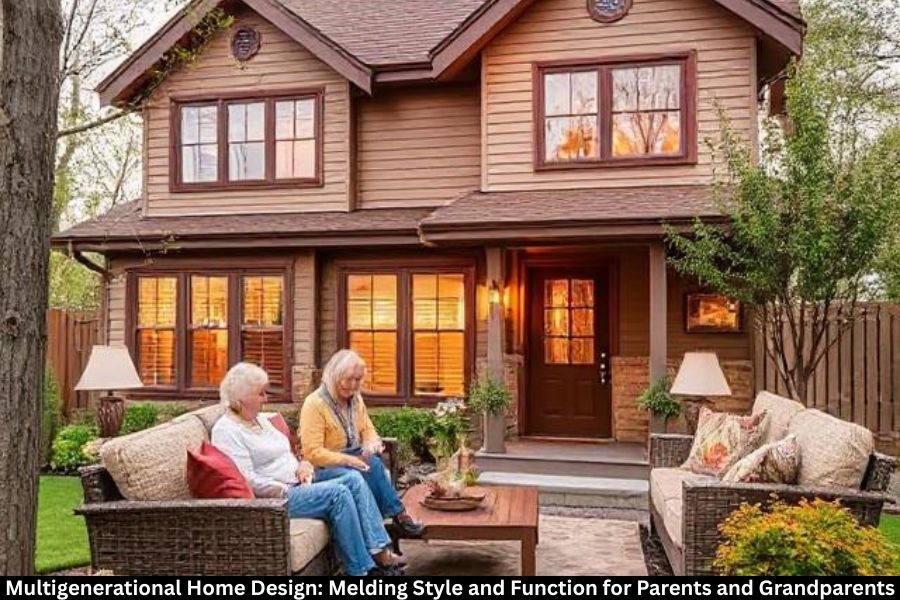
Living under one roof with parents and grandparents is becoming increasingly common—and honestly, it’s not hard to see why. Multigenerational homes bring families closer, reduce expenses, and offer built-in support systems. But to make it all work smoothly, the home must be designed with intention. It has to blend comfort, style, and practicality so every generation feels valued and at ease.
Let’s explore how thoughtful design transforms a shared home into a harmonious multigenerational haven.
Introduction to Multigenerational Living
Why Multigenerational Homes Are Rising in Popularity
From rising housing costs to the desire for stronger family bonds, people are choosing to live together across generations more than ever. It’s a lifestyle that offers emotional, financial, and practical benefits.
Benefits of Living With Parents and Grandparents
- Built-in childcare
- Emotional support
- Shared household expenses
- Enhanced safety for elderly family members
- Strengthened cultural and family traditions
Core Principles of Multigenerational Home Design
Flexibility and Adaptability
Spaces should easily shift purpose—think rooms that can function as offices, guest rooms, or senior suites depending on evolving needs.
Accessibility for All Ages
Wide doorways, barrier-free entrances, and lever-style handles make everyday tasks easier for everyone, especially aging parents and grandparents.
Privacy Without Isolation
The goal is to create private retreats while still encouraging family interaction. Separate suites or sound-insulated areas help keep peace and comfort.
Designing Functional Shared Spaces
Shared spaces are where memories are made—so they must be comfortable, inclusive, and stylish.
Living Rooms Built for Connection
Seating, Layout, and Lighting
Use open layouts, multiple seating options, and warm lighting to create a cozy atmosphere. Think sectionals, recliners, and sturdy furniture that supports all body types and mobility levels.
Kitchens as the Heart of the Home
A multigenerational kitchen should have:
- Counter heights suitable for seated and standing users
- Wide walkways for mobility devices
- Non-slip flooring
Safe and Practical Design for Seniors
Install induction cooktops, pull-out drawers, and touch-free faucets to make cooking easier and safer for grandparents.
Dining Spaces for Large Family Gatherings
Choose extendable tables, cushioned chairs, and strategic lighting so everyone—from toddlers to seniors—feels comfortable during meals.
Private Spaces for Comfort and Independence
Designing Parent Suites
Parents may need quiet spaces away from kids and communal areas. Soundproof walls and en-suite bathrooms make a big difference.
Grandparent-Friendly Bedrooms
Assistive Features and Safety Enhancements
Grandparent suites should include:
- Low beds
- Easy-to-reach storage
- Slip-resistant rugs
- Nightlights and touch lamps
Kid and Teen Zones That Don’t Disturb Others
Youth spaces should allow creativity without compromising household peace—music rooms, study nooks, and play areas placed away from senior bedrooms.
Safety Considerations for Aging Family Members
Slip-Resistant Flooring
Opt for textured tiles, vinyl, or low-pile carpeting to reduce fall risks.
Well-Lit Pathways and Smart Lighting
Automatic nightlights and motion-activated hallway lights create safer paths at night.
Grab Bars, Rails, and Mobility Support
Bathrooms, staircases, and entryways should include discreet but sturdy support features.
Incorporating Style Without Compromising Function
Neutral Palettes That Please All Generations
Warm neutrals, soft tones, and earthy shades create harmony while giving the home a timeless feel.
Ergonomic Furniture Choices
Comfort doesn’t have to sacrifice style—choose furniture that supports posture but still looks modern and chic.
Blending Modern and Traditional Aesthetics
Mixing heirloom pieces with contemporary décor adds personality and honors family history.
Outdoor Spaces Designed for Everyone
Wheelchair-Friendly Patios and Gardens
Level surfaces, wide paths, and shaded seating make outdoor relaxation accessible.
Multi-Use Backyards for Play and Relaxation
Think of spaces where kids can play, adults can garden, and grandparents can sit comfortably and enjoy fresh air.
Technology for Multigenerational Homes
Smart Home Features for Safety
Devices like smart locks, video doorbells, and fall-detection sensors offer peace of mind.
Communication and Monitoring Tools
Intercom systems and caregiver apps help families stay connected and responsive.
Entertainment Systems for All Age Groups
Smart TVs, shared streaming accounts, and gaming spaces bring everyone together.
Budgeting and Planning a Multigenerational Home
Cost-Saving Design Strategies
Combine spaces where possible, reuse existing furniture, and invest in long-lasting materials to save money long-term.
Renovation vs. New Construction
Renovation works well for homes with unused rooms or basements, while new builds allow for complete customization.
Government Programs and Funding Assistance
Many regions offer grants, tax credits, or subsidies for accessibility upgrades and senior-friendly renovations.
Real Examples of Successful Multigenerational Home Designs
Small-Space Solutions
Compact homes use vertical storage, sliding doors, and flexible furniture to maximize comfort for all.
Large Home Layouts
Bigger homes often include separate wings or multi-suite designs to ensure privacy.
Creative Conversions (Basements, Garages, Add-ons)
Transforming garages or basements into independent living areas gives grandparents privacy while keeping them close.
Conclusion
Designing a multigenerational home requires creativity, empathy, and a deep understanding of each family member’s needs. When style meets function, the result is a home where parents, grandparents, and children all thrive. With thoughtful planning, shared living becomes not only manageable—but truly rewarding.
FAQs
1. What is the most important feature of a multigenerational home?
Flexibility—spaces should adapt to changing family needs.
2. How can privacy be maintained in multigenerational living?
By adding separate suites, soundproofing, and private entrances when possible.
3. Are multigenerational homes expensive to build?
They can be, but smart design and government incentives can significantly reduce costs.
4. What features help seniors live safely at home?
Slip-resistant flooring, grab bars, good lighting, and accessible layouts.
5. Can small homes work for multigenerational living?
Absolutely—clever layout planning and multi-functional furniture make it possible.