In today’s fast-paced world, time is precious, and traditional learning methods often feel overwhelming. This is where microlearning comes in—a technique that focuses on breaking down complex topics into small, easily digestible chunks. Imagine learning a new skill or concept in just 10 minutes a day. Over time, these short bursts of learning can accumulate into mastery.
What is Microlearning?
Microlearning is a method of learning that involves engaging with content in small, focused sessions, typically lasting between 5 to 10 minutes. The idea is to learn something new in a short time, retain it, and then apply it. It’s about consistency, not hours of study.
Instead of spending hours in front of a book or screen, microlearning promotes regular, bite-sized sessions that can easily fit into your daily routine. It’s the opposite of traditional “cramming,” where you try to absorb as much information as possible in one sitting. Microlearning focuses on delivering targeted, precise lessons that are easy to understand and apply immediately.
How Does Microlearning Work?
- Short and Sweet: Each session typically lasts 5 to 10 minutes. This short duration makes it easy to engage with the material regularly, even if you have a packed schedule.
- Focused Learning: Instead of trying to absorb everything at once, microlearning focuses on a single concept or skill in each session. This allows you to master one piece at a time.
- Repetition and Consistency: To build mastery, microlearning encourages frequent practice. By revisiting the concept daily or a few times a week, you reinforce what you’ve learned and build long-term retention.
- Immediate Application: Many microlearning platforms focus on practical, real-world applications. After each 10-minute session, you can immediately try what you’ve learned, which reinforces the material and helps you see tangible results.
Why 10 Minutes?
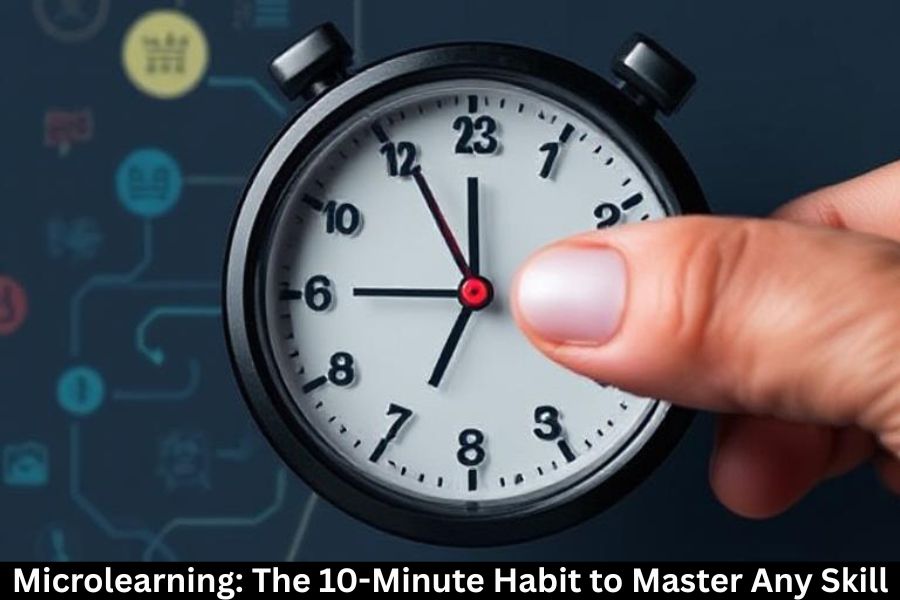
The 10-minute habit works because it’s short enough to not feel overwhelming, but long enough to make meaningful progress. It taps into the principle of “spaced repetition,” which is a proven learning strategy. Studies show that spreading out your learning over time, instead of cramming, helps solidify the knowledge in long-term memory.
The human brain is better at retaining small chunks of information when it’s not overloaded, and 10-minute sessions align perfectly with this principle.
Benefits of Microlearning
- Improved Focus: When you only have 10 minutes to learn something, your focus tends to be sharper. You’re less likely to get distracted, and you can engage deeply with the material.
- Better Retention: Studies show that people retain information better when it’s presented in short bursts over time. This approach leads to stronger long-term memory.
- Flexibility: Microlearning fits into even the busiest schedules. You can learn on the go, whether you’re waiting in line, commuting, or during a lunch break.
- Increased Motivation: Completing a 10-minute session feels achievable, which can motivate you to continue learning. Small wins create momentum, making the learning process enjoyable.
- Cost-Effective: Microlearning is often delivered through digital platforms or mobile apps, which can be more affordable than traditional courses or in-person training.
How to Implement Microlearning in Your Daily Routine
- Set a Goal: Choose a skill you want to master, whether it’s learning a language, improving coding skills, or mastering a musical instrument. Be clear about what you want to achieve.
- Break It Down: Divide your goal into smaller, manageable chunks. Instead of learning everything at once, focus on one sub-skill or concept at a time.
- Pick Your Platform: There are plenty of microlearning apps and platforms available, like Duolingo for languages, Skillshare for creative skills, or Codecademy for coding. Choose the one that fits your learning style.
- Commit to Consistency: Dedicate 10 minutes a day to learning. Consistency is key, so try to stick with your habit daily.
- Track Your Progress: Keep track of the concepts or skills you’ve mastered. Celebrate small wins, as they can keep you motivated.
Examples of Microlearning Applications
- Language Learning: Apps like Duolingo or Memrise allow you to learn new vocabulary and grammar in short bursts, making language acquisition manageable and fun.
- Coding: Platforms like Codecademy or freeCodeCamp provide small coding challenges that you can complete in a few minutes, helping you build skills over time.
- Fitness: Fitness apps may offer 10-minute workout routines you can follow daily to improve strength, flexibility, or endurance.
- Business Skills: Websites like LinkedIn Learning or Coursera often offer quick tutorials or lessons on leadership, marketing, or productivity that can be completed in short sessions.
Conclusion
Microlearning is not just a trend—it’s a proven way to master new skills by committing just 10 minutes a day. Whether you’re looking to learn a new language, pick up a creative hobby, or improve your professional skills, microlearning allows you to do it in a way that fits into your life. By consistently engaging with small, focused chunks of information, you can make significant progress without feeling overwhelmed. So, start small, stay consistent, and watch your skills improve day by day!