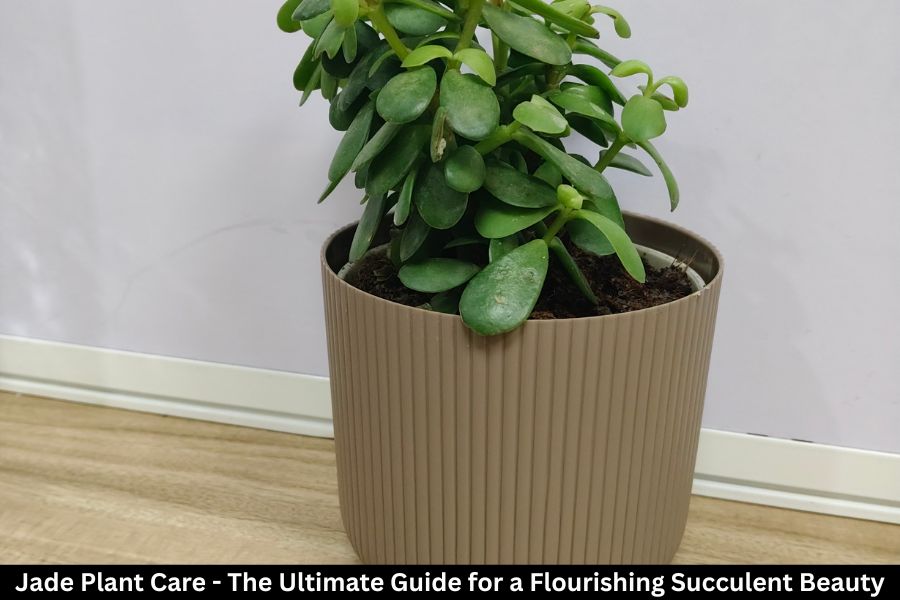
The jade plant (Crassula ovata) is one of the most beloved succulent plants, known for its beautiful, thick, glossy leaves and its ability to thrive with minimal care. Whether you’re a novice gardener or an experienced plant lover, this plant offers a rewarding growing experience. In this ultimate guide, we’ll walk you through everything you need to know to keep your jade plant happy and healthy.
1. Introduction
Jade plants are not only attractive but also symbolize good luck and prosperity in many cultures. These hardy succulents are loved for their easy care, making them a perfect addition to any home or office space. This guide will cover all aspects of jade plant care—from selecting the right plant to troubleshooting common problems, ensuring your plant thrives year-round.
2. Understanding the Jade Plant
Origin and Natural Habitat
Native to South Africa and Mozambique, jade plants are accustomed to dry, rocky environments with plenty of sunlight. Their thick, fleshy leaves store water, making them drought-tolerant and low-maintenance.
Key Characteristics of the Jade Plant
- Leaves: Thick, oval, glossy, and green, sometimes with a red edge when exposed to direct sunlight.
- Size: Can grow from a small tabletop plant to a small tree (up to 3 feet indoors).
- Flowers: Small, star-shaped, white or pink flowers that bloom in winter when conditions are right.
3. Choosing the Right Jade Plant for Your Home
When selecting a jade plant, look for a plant with firm, glossy leaves and a sturdy stem. Avoid plants with discolored or shriveled leaves, as this could be a sign of poor care or disease.
Types of Jade Plants
While the most common variety is Crassula ovata, there are other cultivars like ‘Tricolor’ and ‘Gollum’ that have unique leaf shapes and colors. Choose the one that suits your home decor and aesthetic preferences.
How to Select a Healthy Plant
A healthy jade plant should have well-formed leaves, no signs of pest infestation, and a thick stem. A plant that’s too leggy may indicate insufficient light, which is something to keep in mind.
4. Best Location for Your Jade Plant
Ideal Light Conditions
Jade plants thrive in bright, indirect light. They can tolerate direct sunlight, which can enhance their vibrant green color and even cause red tinges along the edges of the leaves. However, too much direct sunlight can cause leaf burn, so be mindful of placement.
Temperature and Humidity Requirements
Jade plants prefer temperatures between 65°F and 75°F (18°C to 24°C). They don’t do well in extremely hot or cold conditions, so avoid placing them near heaters or air conditioners. Jade plants are also adaptable to low humidity, typical of indoor environments.
Indoor vs. Outdoor Placement
Jade plants make excellent indoor plants but can also be placed outside during warm weather. If you live in a region with mild winters, your jade plant may do well in an outdoor garden, but be sure to bring it inside when the temperatures drop.
5. Jade Plant Soil Requirements
The Best Soil for Jade Plants
The ideal soil for a jade plant is well-draining and slightly sandy. Regular potting soil can hold too much moisture, which leads to root rot. A cactus or succulent mix is typically perfect for jade plants.
How to Create Well-Draining Soil
To ensure good drainage, you can mix regular potting soil with sand or perlite. This will prevent water from sitting around the roots and help maintain a healthy root system.
6. Watering Your Jade Plant
How Often Should You Water?
One of the keys to jade plant care is not overwatering. Water your plant thoroughly, but only when the top 1-2 inches of soil are dry. In the warmer months, this may be once every 1-2 weeks, while in the cooler months, reduce watering frequency.
Signs of Overwatering and Underwatering
- Overwatering: Yellowing leaves, mushy stems, or wilting.
- Underwatering: Shriveling leaves and dry, brittle stems.
Seasonal Watering Adjustments
During the winter months, jade plants go into a semi-dormant state and need less water. Be sure to adjust watering based on the season to prevent root rot.
7. Fertilizing Jade Plants
When and How to Fertilize
Fertilize your jade plant every 4-6 weeks during the growing season (spring and summer). Use a balanced, diluted fertilizer to avoid overfeeding, which can harm the plant.
Best Fertilizers for Jade Plants
Look for a fertilizer designed for succulents or cacti, as they have the proper nutrients for optimal growth.
Signs of Nutrient Deficiency
If your jade plant’s leaves are turning pale or have a yellowish tint, it may be a sign of nutrient deficiency. A balanced fertilizer can remedy this.
8. Repotting Jade Plants
When to Repot a Jade Plant
Repot your jade plant every 2-3 years or when it outgrows its current pot. Signs that it’s time to repot include roots growing through the drainage holes or the plant becoming top-heavy.
How to Repot: Step-by-Step Process
- Choose a pot that’s 1-2 inches larger in diameter than the current one.
- Remove the plant gently, being careful not to damage the roots.
- Place it in the new pot with fresh, well-draining soil.
Choosing the Right Pot
A pot with drainage holes is essential to avoid water retention at the bottom, which can lead to root rot.
9. Pruning and Shaping Jade Plants
Why Pruning is Important
Pruning helps maintain a compact, attractive shape and encourages branching. It also removes dead or damaged leaves.
How to Prune Jade Plants
Use clean, sharp scissors to cut back leggy growth. Trim the plant just above a leaf node to promote new growth.
Encouraging Branch Growth and a Fuller Appearance
If you want a bushier jade plant, prune the tips of the branches to encourage branching.
10. Common Problems and Pests
Identifying Common Jade Plant Pests
Mealybugs, aphids, and scale insects are common pests that can affect jade plants. Regularly inspect your plant for signs of infestation.
Preventing and Treating Pests
Use insecticidal soap or neem oil to treat pest problems. If you notice an issue, act quickly to avoid serious damage.
Common Disease Issues
Root rot is one of the most common diseases affecting jade plants. Overwatering or poor drainage are often the causes. To prevent root rot, always ensure that the plant is not sitting in water and that the soil drains well.
11. Propagating Your Jade Plant
Methods of Propagation
Jade plants can be propagated through leaf cuttings or stem cuttings. For best results, allow the cut ends to callous over for a few days before planting.
How to Successfully Propagate Jade Plants
Place the cutting in well-draining soil and keep it in bright, indirect light. Water sparingly until new growth appears.
Benefits of Propagation
Propagating your jade plant is a great way to expand your collection or share plants with friends.
12. Winter Care for Jade Plants
How to Care for Your Jade Plant in Cold Months
During winter, reduce watering and move the plant to a location with more sunlight. Avoid cold drafts and maintain temperatures above 50°F (10°C).
Adjusting Watering and Temperature for Winter
Less water is needed in winter, as the plant’s growth slows down. Keep the environment warm and dry for best results.
13. How to Encourage Blooms in Jade Plants
Conditions Needed for Flowering
Jade plants are known to bloom in winter when exposed to the right conditions. To encourage flowers, ensure your plant has the right balance of light and temperature, as well as a bit of stress (like being slightly root-bound).
When Do Jade Plants Bloom?
Jade plants typically bloom after several years of maturity, often during the colder months when nights are longer.
14. Jade Plant Myths and Misconceptions
Debunking Common Jade Plant Myths
A common myth is that jade plants are toxic to pets. While they can cause mild gastrointestinal issues if ingested, they are not highly toxic.
Clarifying the Facts
Jade plants are easy to grow, and with proper care, they’ll flourish for years, providing beauty and good fortune.
15. Conclusion
In conclusion, jade plants are hardy, low-maintenance beauties that make excellent additions to any home or garden. With proper care—right light, watering, soil, and occasional pruning—they can thrive for years and even bloom! Whether you’re a beginner or seasoned gardener, caring for a jade plant is a rewarding experience that brings both aesthetic and symbolic value.
FAQs
1. How often should I water my jade plant?
Water your jade plant when the top inch of the soil is dry. Typically, this is about once every 1-2 weeks, but adjust for seasonal changes.
2. Can I propagate a jade plant in water?
Yes, you can propagate jade plants in water, but it’s more successful if you root them in soil once the cuttings have developed roots.
3. Why are the leaves of my jade plant turning yellow?
Yellowing leaves may indicate overwatering, nutrient deficiency, or pests. Check your watering habits and inspect for pests.
4. Is my jade plant dying?
Signs of a dying jade plant include mushy stems, excessive leaf drop, and poor growth. Check for root rot and consider repotting.
5. Can jade plants grow outside?
Yes, jade plants can be grown outside in mild climates. Just be sure to bring them indoors when temperatures drop below 50°F (10°C).