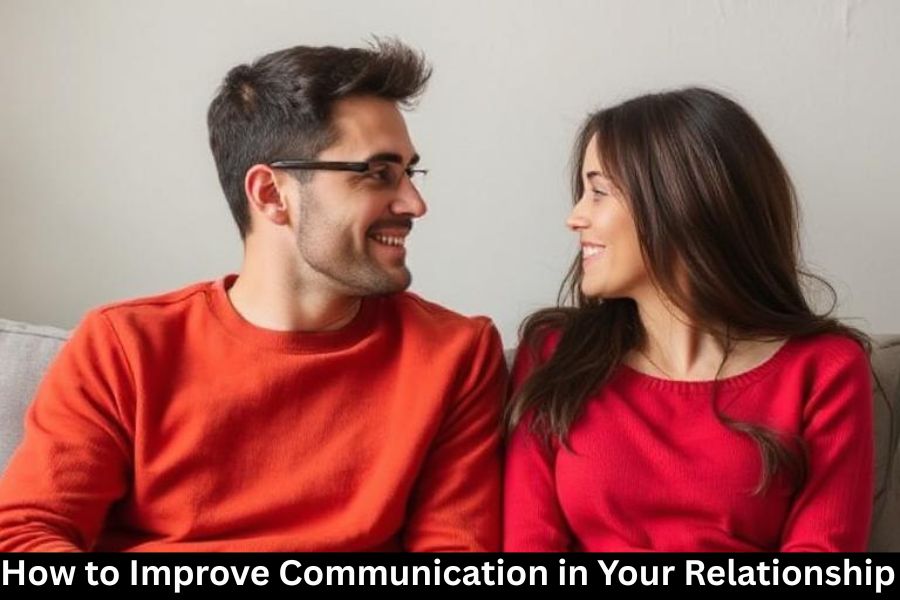
Healthy communication is the heartbeat of every strong relationship. Whether you’re dating, engaged, or married for years, the way you talk, listen, and respond to your partner shapes the strength of your bond. The good news? Communication isn’t a talent—it’s a skill, and it can be learned and improved.
Let’s dive deep into how you can transform conversations, reduce misunderstandings, and build a healthier, more connected relationship.
Understanding the Importance of Healthy Communication
Why Communication Matters
Communication is more than just talking—it’s how partners connect, understand each other’s needs, share emotions, and resolve differences.
Good communication builds:
- Trust
- Emotional intimacy
- Respect
- A deep sense of partnership
When both partners feel heard and understood, love becomes easier and more meaningful.
Signs of Poor Communication in a Relationship
You might notice problems if you experience:
- Frequent misunderstandings
- Conversations that lead to arguments
- Feeling unheard or dismissed
- Avoiding important discussions
- Silent treatment or emotional withdrawal
If any of these sound familiar, you’re not alone—and there are ways to fix it.
Common Barriers to Effective Communication
Assumptions and Misinterpretations
Sometimes we assume we know what our partner means, but our assumptions may be far from the truth. Misinterpretation often leads to unnecessary conflicts.
Emotional Reactions and Overthinking
When emotions take over, communication becomes reactive rather than rational. Overthinking can also twist harmless words into painful misunderstandings.
Lack of Active Listening
Listening isn’t just being quiet while the other person speaks. Many people listen only to reply—not to understand. This blocks true connection.
Foundational Skills to Strengthen Communication
Practicing Active Listening
To actively listen:
- Maintain eye contact
- Avoid interrupting
- Reflect back what you heard
- Ask questions to clarify
It makes your partner feel valued and respected.
Using “I” Statements Instead of Blame
Replace statements like:
“You never listen to me.”
with
“I feel unheard when my feelings are dismissed.”
This reduces defensiveness and encourages healthier conversations.
Being Honest and Vulnerable
Honesty creates trust, while vulnerability deepens intimacy. Sharing your fears, needs, and dreams makes communication more meaningful.
Practical Ways to Improve Communication Daily
Set Aside Quality Time to Talk
Life gets busy, but relationships thrive when partners intentionally connect. Spend at least 10–15 minutes each day talking without distractions.
Learn Each Other’s Communication Styles
Some people are expressive; others are reserved. Some value directness, while others prefer softness. Knowing your partner’s style helps avoid misunderstandings.
Create a Judgment-Free Zone
Encourage open conversations where both partners can speak without fear of criticism, embarrassment, or anger.
Advanced Communication Strategies
Using Empathy to Understand Your Partner Better
Try to understand their feelings, not just their words. Empathy bridges emotional gaps and strengthens trust.
Mastering Nonverbal Communication
Body language speaks louder than words.
Be aware of:
- Tone of voice
- Facial expressions
- Gestures
- Physical closeness
Your body can say what your mouth doesn’t.
Learning to Pause During Heated Moments
A short break during conflict can prevent hurtful words and emotional damage. It shows maturity and emotional control.
Handling Conflicts Effectively
Address Issues Early
Don’t let unresolved issues accumulate. Small problems grow when ignored. Talk openly, but calmly.
Focus on Solutions, Not Winning
Arguments aren’t battles. You’re a team. Focus on resolving the issue instead of proving a point.
Setting Boundaries in Conflicts
Boundaries like “No yelling” or “Let’s not interrupt each other” make conflict healthier and more productive.
When to Seek Professional Help
Signs You May Need a Therapist
Consider therapy if:
- Small conversations turn into big fights
- You feel disconnected
- Communication feels impossible
- Resentment keeps building
How Couples Counseling Improves Communication
Therapists teach tools like:
- Conflict regulation
- Emotional expression
- Deep listening
- Constructive feedback
It’s not a sign of weakness—it’s a step toward healing.
Conclusion
Improving communication in your relationship doesn’t happen overnight, but with consistent effort, understanding, and compassion, any couple can transform the way they connect. Honest conversations, active listening, empathy, and respect can turn misunderstandings into moments of growth.
Great communication creates great relationships—and your journey starts today.
FAQs
1. What is the most important communication skill in a relationship?
Active listening. When you truly listen, your partner feels seen and understood.
2. How can I communicate better during arguments?
Stay calm, avoid blame, and focus on solutions—not on winning the fight.
3. What should I do if my partner shuts down emotionally?
Give them space, approach gently, and create a safe environment for them to open up.
4. Can communication styles be changed?
Yes, with awareness and effort. Couples can learn healthier habits over time.
5. How often should couples communicate deeply?
At least a few times a week—quality over quantity matters most.