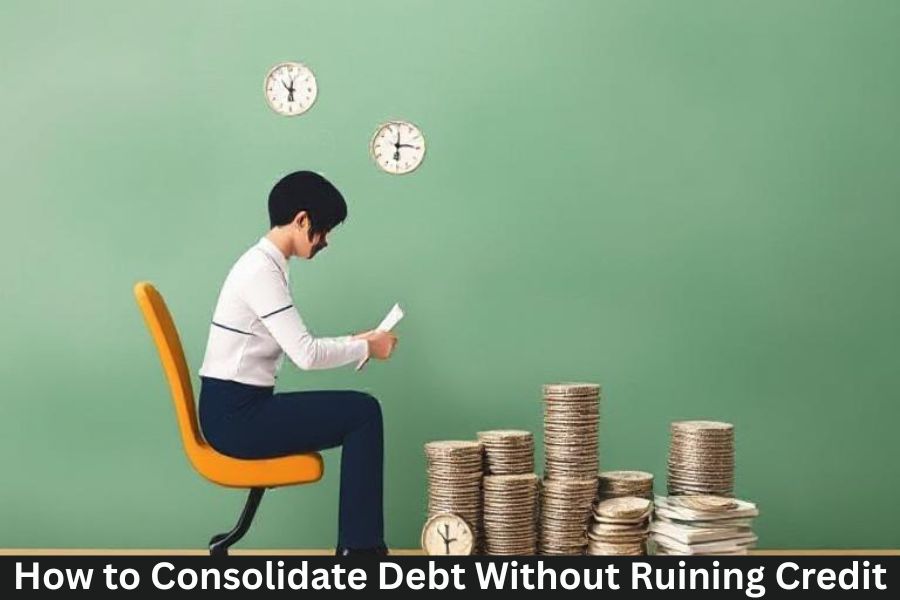
Debt can feel like a heavy weight on your shoulders—especially when you’re juggling multiple payments every month. If you’re tired of the chaos and high interest rates, debt consolidation might be your path to peace. But here’s the big question: Can you consolidate debt without hurting your credit? The answer is yes—if you do it the right way.
Let’s break it down step-by-step so you can take control of your finances with confidence.
Understanding Debt Consolidation
What Debt Consolidation Really Means
Debt consolidation is the process of combining multiple debts into one single payment—usually with a lower interest rate. It makes your financial life simpler and easier to manage.
How It Affects Your Credit Score
Done correctly, consolidation can actually improve your credit. But certain actions—like closing old accounts or missing payments—can cause temporary dips. Knowing what to avoid keeps your score safe.
Common Misconceptions About Debt Consolidation
Some people think consolidation is the same as debt settlement or bankruptcy. It’s not. Consolidation is a responsible strategy to pay off your debts in full, just in a more organized way.
Signs You May Need Debt Consolidation
Struggling to Manage Multiple Payments
If you’re juggling several payment dates and can’t keep up, consolidation may simplify things.
High Interest Rates Across Several Accounts
Credit cards often carry steep interest rates. A consolidation loan can lower that percentage significantly.
Constant Financial Stress or Missed Payments
Stress is a sign something needs to change. If you’re falling behind, consolidation can help you regain control.
Debt Consolidation Options That Protect Your Credit
Balance Transfer Credit Cards
These cards offer low or even 0% interest for a promotional period. If you can pay down your debt during that time, it’s a powerful option.
Personal Loans
A fixed-rate personal loan lets you consolidate multiple debts into one predictable payment.
Home Equity Loans or HELOCs
These use your home as collateral and typically offer lower interest rates. But use caution—your home is at stake.
Debt Management Programs (DMPs)
A DMP helps you negotiate lower interest rates through a credit counseling agency. Your credit score may dip slightly at first but improves with consistent payments.
Step-by-Step Guide to Consolidate Debt Safely
Check Your Current Credit Score
Your credit score determines your available consolidation options and interest rates.
Evaluate Your Total Debt
Gather all statements and calculate exactly how much you owe. Knowledge is power.
Compare Interest Rates and Loan Offers
Aim for a consolidation option with a lower interest rate than your current debts.
Choose the Right Consolidation Method
Pick the option that aligns with your income, credit score, and long-term goals.
Create a Repayment Plan
Stick to a structured plan to avoid falling back into old habits.
How to Avoid Credit Damage During Consolidation
Make On-Time Payments
Consistency is key. Late payments hurt credit more than anything else.
Keep Old Credit Accounts Open
Closing accounts shortens your credit history and can lower your score. Keep them open unless absolutely necessary.
Avoid Opening New Credit Lines
Too many inquiries signal risk to lenders.
Maintain a Low Credit Utilization Ratio
Aim to use less than 30% of your available credit.
Benefits of Consolidating Debt Responsibly
Lower Interest Rates
This helps you save money over the life of your loan.
Reduced Monthly Payments
You’ll feel immediate financial relief with a smaller monthly bill.
Improved Financial Organization
One payment = less confusion.
Less Stress and More Stability
It’s easier to breathe when everything is under control.
Risks to Watch Out For
Falling Into New Debt
Avoid the temptation to use those newly freed credit card limits.
Longer Repayment Terms
Smaller payments over a longer period may mean paying more overall.
Scams and High-Pressure Debt Relief Companies
Stay away from companies that promise “instant credit repair” or ask for upfront fees.
Building Better Money Habits After Consolidation
Creating a Realistic Budget
A budget keeps your financial life on track.
Tracking Spending
Small expenses add up. Track everything to avoid surprises.
Building an Emergency Fund
Having savings prevents you from turning to credit cards when emergencies pop up.
When Debt Consolidation Isn’t the Right Choice
Extremely High Debt Levels
If your debt is more than half your income, consolidation may not be enough.
Unstable or Inconsistent Income
Consolidation requires consistent payments. Without stability, it becomes risky.
Better Alternatives Like Debt Settlement or Bankruptcy
Sometimes, more aggressive solutions are the right move.
How to Choose the Best Debt Consolidation Lender
Checking Fees and Interest Rates
Look for transparent terms and no hidden fees.
Looking for Transparent Terms
The lender should clearly state what you’re signing up for.
Reading Customer Reviews and Ratings
Real experiences tell you a lot about reliability.
Final Thoughts on Debt Consolidation
Consolidating debt doesn’t have to hurt your credit. In fact, when done thoughtfully, it can be the first step toward healthier, stress-free finances. The key is choosing the right method and staying consistent with your payments. With a solid plan and smart habits, you can take control of your financial future—and feel good doing it.
FAQs
1. Does consolidating debt hurt your credit score?
It may cause a small temporary dip, but consistent payments help your score rise over time.
2. How long does debt consolidation take?
It depends on the method, but most plans take 2–5 years to complete.
3. Can I consolidate debt with bad credit?
Yes, but your options may be limited. A debt management program or secured loan may help.
4. Is a balance transfer card worth it?
If you can pay off the debt before the promo period ends, absolutely.
5. Should I close my old credit cards after consolidation?
No—keeping them open helps maintain your credit history.