Balancing energy in your home isn’t about fancy rituals—it’s about creating a space that genuinely feels good to live in. Feng Shui, the ancient Chinese art of arranging your environment to support harmony and well-being, helps you do exactly that. In this guide, we’ll walk through practical steps you can use right now to transform your home into a peaceful, balanced sanctuary.
Introduction to Feng Shui
What Feng Shui Really Means
Feng Shui literally translates to “wind” and “water,” symbolizing the flow of life’s energy—also known as chi. Think of chi as a gentle breeze moving through your home. When it circulates freely and smoothly, everything feels balanced. But when it gets stuck? Your space can begin to feel heavy, stressful, or chaotic.
Why Energy Flow Matters in Your Home
Your home has a huge influence on your mood and mental clarity. Ever walked into a cluttered room and instantly felt overwhelmed? That’s poor Feng Shui at work. Good energy flow boosts your productivity, improves sleep, and even supports emotional well-being.
The Five Elements of Feng Shui
Feng Shui uses five natural elements to balance energy: Wood, Fire, Earth, Metal, and Water. Each element represents a different type of chi.
Wood Element
Wood represents growth and creativity. You can bring this element into your home with:
- Wooden furniture
- Plants
- Green and teal colors
Fire Element
The Fire element boosts passion and inspiration. Think:
- Candles
- Warm lighting
- Red, orange, or purple tones
Earth Element
Earth grounds your space. You’ll notice this energy in:
- Clay pots
- Terracotta items
- Yellow and beige hues
Metal Element
Metal supports clarity and focus. Add it through:
- Metal frames
- Sculptures
- White, silver, or gold colors
Water Element
Water brings calmness and abundance. Bring it in via:
- Fountains
- Mirrors
- Blue or black accents
How to Balance These Five Elements Together
The trick is not to overload your space with one element. Balance is key. For example, if your home feels too fiery (lots of bright colors or sharp lights), cool it down with water or earth elements.
Understanding the Bagua Map
What Is a Bagua Map?
The Bagua Map is a Feng Shui tool that divides your home into nine zones, each representing a key life area—like wealth, love, health, or creativity.
How to Apply the Bagua Map to Your Floor Plan
Stand at your main entrance and place the map over your home layout. The bottom of the map aligns with your front door. This helps you identify which zone corresponds to which room.
Key Areas of Life Connected to Bagua Zones
- Wealth: Far left corner
- Fame: Top center
- Love: Far right corner
- Health: Center
- Career: Entrance area
- And more!
Once you locate each zone, you can enhance it using the right elements.
Clearing Clutter for Better Energy Flow
Why Clutter Blocks Chi
Clutter is the biggest enemy of good Feng Shui. It slows down energy and creates emotional heaviness.
Simple Decluttering Techniques
- Start with small areas
- Use baskets for organization
- Donate what you don’t need
- Only keep items that spark positive feelings
Improving Entryway Energy
Importance of the Main Door
Your front door is known as the “mouth of chi” because it’s where energy enters your home. A messy entryway can block fresh opportunities.
Fixing Common Entryway Problems
- Keep shoes organized
- Ensure the door opens fully
- Add soft lighting
- Use a welcoming doormat
Feng Shui Tips for the Living Room
Ideal Furniture Placement
Place your sofa against a solid wall and avoid blocking natural pathways. Creating an open layout helps chi flow effortlessly.
Best Décor Choices
- Soft rugs
- Plants
- Balanced lighting
- Minimal clutter
Feng Shui in the Bedroom
The Command Position
Your bed should be placed diagonally opposite the door—not directly in front of it. You should see the door without being aligned with it.
Colors and Textiles That Support Rest
Use calm shades like blue, cream, lavender, or soft pastels. Choose comfortable, breathable fabrics that invite relaxation.
Feng Shui for the Kitchen
Balancing Fire and Water
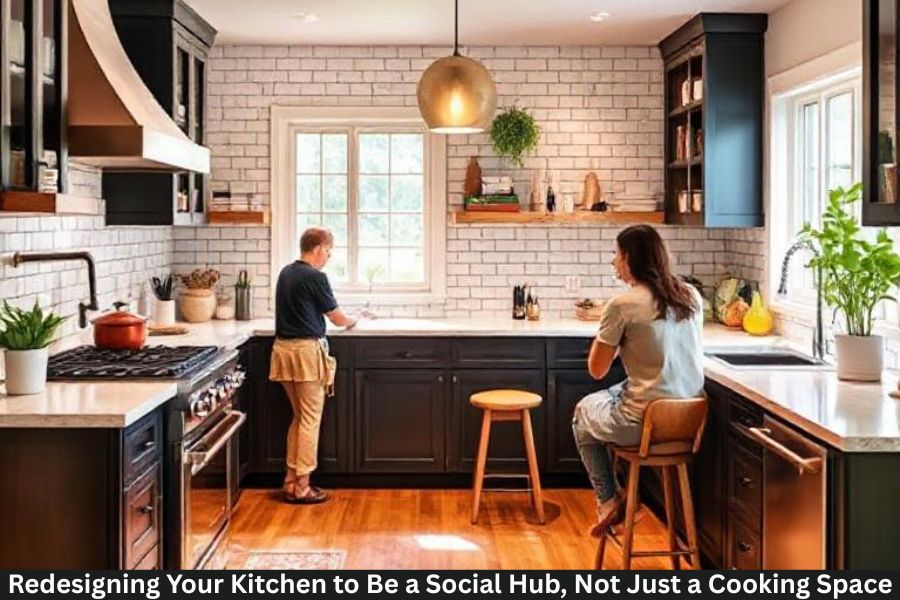
Stoves represent fire, while sinks represent water. If they are too close, it causes conflict. Use wood elements (like cutting boards or plants) to create harmony.
Creating a Nourishing Cooking Space
- Keep countertops clean
- Store knives safely
- Use warm lighting
Feng Shui for Home Office
Creating a Productive Workspace
Your desk should face the entrance without being directly in line with it. This position increases focus and confidence.
Best Colors and Desk Placement
Use greens for creativity, blue for calm focus, or earthy tones for grounding.
Using Plants, Mirrors & Lighting
How Plants Improve Chi
Plants purify the air and bring in Wood energy. Choose vibrant, healthy plants.
Mirror Placement Rules
- Never place a mirror opposite the bed
- Avoid mirrors facing the main door
- Use mirrors to expand small spaces
Lighting as a Chi Activator
Good lighting improves energy. Mix warm and cool lights to create balance.
Common Feng Shui Mistakes to Avoid
Blocking Pathways
Keep hallways and doorways clear for smooth chi flow.
Using Harsh Lighting
Harsh lights create tension. Aim for soft, layered lighting.
Excessive Mirrors
Too many mirrors can cause restlessness and over-stimulation.
Final Energy-Balancing Tips
Simple Daily Habits
- Open windows to refresh chi
- Keep rooms tidy
- Light candles or use essential oils
Seasonal Feng Shui Adjustments
- Spring: Add plants and light colors
- Summer: Use water elements to cool energy
- Autumn: Incorporate metal décor
- Winter: Add warmth using earth and fire elements
Conclusion
Balancing energy in your home using Feng Shui isn’t complicated—it’s thoughtful. When your space feels good, you feel good. By applying these principles, you can craft a home that nourishes, supports, and uplifts you every single day. Start small, stay consistent, and watch your space transform into a peaceful, balanced haven.
FAQs
1. Can beginners apply Feng Shui without professional help?
Absolutely! Simple steps like decluttering and improving lighting already make a huge difference.
2. What’s the fastest way to balance energy?
Start with your entryway. It controls how energy enters your home.
3. Do I need special Feng Shui items?
No. Everyday objects like plants, mirrors, and rugs work perfectly.
4. Can Feng Shui improve sleep?
Yes! A proper bed placement and calming colors help you rest deeply.
5. Does Feng Shui require major renovations?
Not at all. Most improvements involve small rearrangements and mindful décor choices.