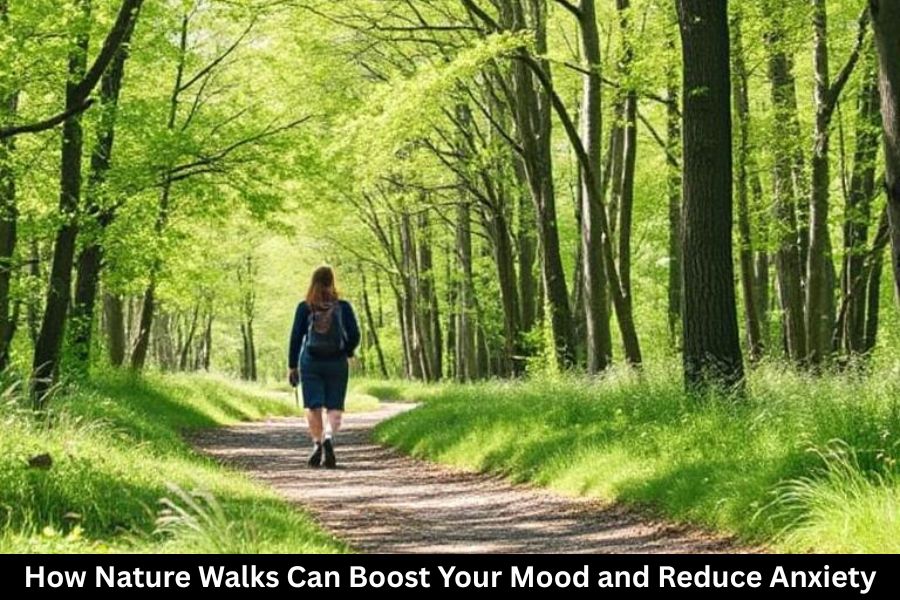
Feeling stressed, anxious, or mentally drained? You’re not alone. With increasing screen time, busy schedules, and constant digital noise, our minds rarely get the rest they deserve. Fortunately, there’s a simple and free remedy that nature has been offering forever — a peaceful walk outdoors.
Science consistently proves that spending time in natural environments can elevate mood, lower anxiety, and improve overall mental well-being. Let’s dive into why a nature walk might be exactly what your mind needs.
The Deep Connection Between Nature and Mental Health
The psychology of natural environments
Humans evolved outdoors. Fresh air, trees, sunlight — these elements are part of our natural habitat. When you step into nature, your mind recognizes it as a safe, calming environment.
How nature resets the mind
Just a few minutes outdoors can shift your mental state. Natural settings lower mental overload and give your brain the space it needs.
What happens inside the brain during a walk
Nature exposure reduces activity in the prefrontal cortex — the area responsible for overthinking and rumination. This means fewer anxious thoughts and more mental clarity.
How Nature Walks Improve Mood
Boosting serotonin and endorphins
Sunlight and physical activity stimulate both serotonin and endorphins, your body’s natural mood boosters. It’s like hitting a happiness reset button.
Reducing mental fatigue
Walking in nature restores your attention and reduces cognitive tiredness. It’s similar to rebooting a computer that’s been running too long.
Enhancing creativity and positivity
Ever noticed how ideas flow more freely when you’re outside? Nature sharpens creative thinking and helps you approach problems with a more positive outlook.
Nature Walks and Anxiety Reduction
How walking regulates stress hormones
A slow, steady walk lowers cortisol — your primary stress hormone. Over time, regular nature walks make your body more resilient to stressful triggers.
The role of mindfulness in nature
Being in nature naturally encourages mindfulness. You notice the rustling leaves, chirping birds, and fresh scents around you.
Grounding techniques during walks
Try these simple grounding tricks:
- Touch a tree or leaf
- Listen closely to natural sounds
- Feel your breathing sync with your steps
These techniques keep your mind in the present, reducing anxiety.
Physical Health Benefits That Support Mental Health
Better sleep
Exposure to daylight helps regulate your sleep cycle. A well-rested mind handles stress far better.
Improved heart health
Walking improves circulation and reduces blood pressure — both linked to better mental health.
Reduced inflammation
Spending time in nature lowers inflammation levels in the body, which can influence your mood and anxiety levels.
Why Nature Works Better Than Indoor Exercise
Sensory stimulation
Indoor exercise is great, but nature adds sensory richness — sunlight, sounds, textures — that enhance emotional balance.
Reduction in digital distractions
When you disconnect from screens, your mind finally gets a break from notifications and digital overload.
Increased dopamine from sunlight
Natural light boosts your dopamine levels, improving focus and motivation.
The Best Types of Nature Walks
Forest walks
Forest environments, also known as “green spaces,” are proven to reduce stress and improve mental clarity.
Beach or coastal walks
Ocean waves create rhythmic sounds that naturally soothe anxiety.
Park strolls
Perfect for quick breaks—easy, accessible, and refreshing.
Mountain and trail hikes
These walks challenge your body and reward your mind with stunning views and deep emotional release.
How to Make Your Nature Walk More Effective
Set your intention
Are you walking to relax? To reflect? Knowing your purpose increases the mental benefits.
Use all your senses
Take a moment to smell the trees, feel the breeze, and listen to the environment.
Leave technology behind
Try keeping your phone on silent or out of sight to minimize interruptions.
Simple Tips to Build a Daily Nature-Walk Habit
Start with short walks
Even 10 minutes per day can shift your mood.
Choose a consistent time
Morning, evening, or midday — consistency builds habit.
Track your mood changes
Jotting down how you feel before and after can motivate you to continue.
Conclusion
Nature walks may seem simple, but their impact on mental and emotional well-being is powerful. Whether you’re battling anxiety, feeling overwhelmed, or just need a break, stepping outside can restore peace and clarity. The best part? It’s easy, accessible, and completely free.
So the next time your mind feels heavy, take a deep breath, lace up your shoes, and let nature do its magic.
FAQs
1. How long should a nature walk be?
Even 10–20 minutes can improve mood and reduce stress levels.
2. Can nature walks replace therapy?
They can support mental health but shouldn’t replace professional help if needed.
3. Is walking in a city park beneficial?
Absolutely! Any green space can positively impact your mood.
4. What should I bring for a nature walk?
Comfortable shoes, a water bottle, and maybe a journal.
5. How often should I take nature walks?
Aim for at least 3–4 times a week, but daily walks offer the best results.