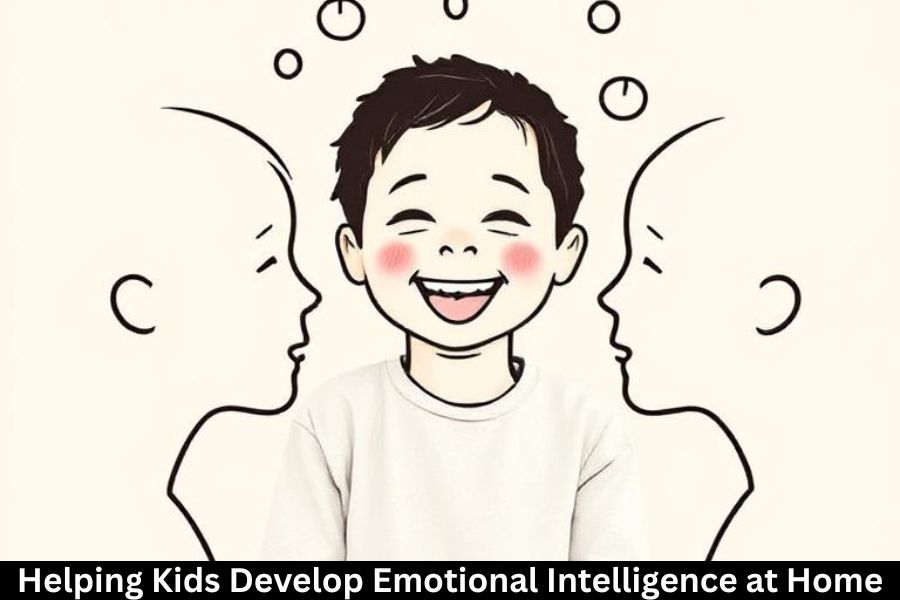
Emotional intelligence is often cited as a predictor of success in both personal and professional life. For children, this skill is crucial not just for academic success but also for managing relationships and navigating their emotions. A child with high emotional intelligence can handle conflicts better, communicate effectively, and make better decisions. But how do we help them build this foundation from an early age? The answer lies in teaching them how to identify, understand, and express their emotions in healthy ways. Let’s dive into how you can help your child develop emotional intelligence right at home.
What is Emotional Intelligence?
Emotional intelligence is a broad concept that includes the ability to understand and manage one’s own emotions, as well as recognize and influence the emotions of others. It is often broken down into five key components:
- Self-awareness – Recognizing one’s emotions and how they affect thoughts and behavior.
- Self-regulation – Managing emotions in healthy ways, staying calm and clear-headed.
- Motivation – Using emotions to stay focused and reach goals.
- Empathy – Understanding and being sensitive to the feelings of others.
- Social skills – Building and maintaining healthy relationships with others.
Each of these components plays a vital role in a child’s ability to manage themselves emotionally and socially. Developing emotional intelligence lays the foundation for a happier and more fulfilling life.
Step 1: Lead by Example
One of the most powerful ways to teach emotional intelligence to children is by being a role model. Kids learn by observing the adults around them. If they see you handling emotions in a healthy way, they are more likely to mirror those behaviors.
For example, if you’re frustrated or upset, instead of reacting impulsively, take a deep breath, express your emotions calmly, and explain why you feel the way you do. This not only helps your child understand your emotions but also teaches them how to handle their own.
Step 2: Create a Safe Space for Emotions
Creating a safe, non-judgmental environment where your child feels comfortable expressing their emotions is crucial. Children need to know that it’s okay to feel angry, sad, or anxious, and that these feelings are normal and can be managed.
Make sure to actively listen to your child when they express how they feel. Avoid dismissing their emotions with phrases like, “It’s not a big deal” or “Stop crying.” Instead, acknowledge their feelings and validate them. For instance, “I can see you’re upset, and it’s okay to feel that way. Let’s talk about what’s bothering you.”
Step 3: Labeling Emotions
One of the first steps in teaching emotional intelligence is helping your child build an emotional vocabulary. Young children often struggle to articulate how they feel. Helping them label their emotions teaches them how to express themselves and begin to understand the intensity of their feelings.
For instance, instead of simply saying “Don’t be sad,” say something like, “I can see you’re feeling sad because you lost your toy. It’s okay to feel sad. How can we fix this?” This allows children to understand the different layers of emotions and how to label them correctly.
Step 4: Practice Empathy
Empathy is an essential component of emotional intelligence, and it can be practiced even at a young age. Help your child understand the emotions of others by discussing feelings and reactions.
For example, when reading a book or watching a movie, ask your child how they think a character might feel. You can also encourage your child to notice and respond to others’ feelings in real life. If a friend is upset, encourage your child to ask, “Are you okay?” or offer comfort like, “I understand that you’re sad. What can I do to help?”
Step 5: Teach Emotional Regulation Techniques
Emotional regulation is the ability to manage and calm strong emotions. Teaching your child techniques to manage emotions like frustration or anger can help them remain in control during challenging situations.
Common strategies include:
- Deep breathing: Instruct your child to take slow, deep breaths when they feel overwhelmed.
- Counting to ten: A simple but effective strategy for calming down.
- Taking a break: Sometimes, stepping away from a stressful situation allows emotions to settle.
Teach your child to use these techniques regularly so they become second nature when emotions run high.
Step 6: Encourage Problem-Solving Skills
Emotional intelligence is not just about feeling emotions—it’s also about responding to them constructively. When your child encounters an emotional challenge, such as a disagreement with a sibling, help them problem-solve. Ask guiding questions like:
- “What can we do to fix this?”
- “How would you feel if you were in their shoes?”
- “What’s a better way to handle this next time?”
By encouraging problem-solving, you help your child develop resilience and a proactive approach to emotional issues.
Step 7: Foster Self-Awareness
Self-awareness is the foundation of emotional intelligence. Help your child become more aware of their emotions by encouraging regular reflection. Ask them questions like, “How did that make you feel?” or “Why do you think you felt that way?”
Mindfulness activities can also support self-awareness. Simple exercises, like focusing on breathing or paying attention to body sensations, can help children tune into their feelings.
Step 8: Positive Reinforcement
When your child demonstrates emotional intelligence—whether it’s calming themselves down after being upset or showing empathy toward a friend—be sure to praise and reinforce the behavior. Positive reinforcement helps your child see the value in emotional awareness and encourages them to continue practicing it.
Step 9: Storytelling and Role-Playing
Using stories and role-playing activities is an effective way to teach emotional intelligence. You can use books or create scenarios where your child has to act out different emotions and responses. This allows them to practice expressing emotions and learning how to handle different situations.
Step 10: Encourage Social Interaction
Encourage your child to interact with other kids in social settings. Playing with peers, sharing, and working through disagreements with friends are important opportunities for practicing emotional intelligence.
Step 11: Monitor Screen Time
Excessive screen time, especially on social media, can hinder emotional development in children. Make sure to balance screen time with real-world interactions and opportunities for emotional growth. Encourage face-to-face conversations and social activities to help your child build stronger emotional connections.
Step 12: Be Patient and Consistent
Emotional intelligence is developed over time. It’s important to be patient with your child’s progress and to consistently reinforce emotional learning. Be consistent in applying emotional intelligence strategies, and over time, your child will begin to internalize these lessons.
Conclusion
Helping kids develop emotional intelligence is one of the most valuable gifts you can give them. With consistent practice, patience, and the right tools, children can grow into emotionally intelligent adults capable of handling life’s ups and downs with grace. By using these simple strategies at home, you’ll be giving your child the foundation they need for future success and happiness.
FAQs
1. How can I tell if my child is emotionally intelligent?
Signs of emotional intelligence in children include being able to label emotions, showing empathy towards others, handling frustrations calmly, and having good social skills.
2. At what age should I start teaching emotional intelligence?
It’s never too early to start. Even toddlers can begin learning about emotions through simple activities like naming feelings and recognizing facial expressions.
3. What should I do if my child struggles to express their emotions?
Start by modeling how to express emotions and offer validation. Encourage your child to talk about their feelings without judgment and help them expand their emotional vocabulary.
4. Is it normal for my child to have emotional outbursts?
Yes, emotional outbursts are a natural part of a child’s development. What matters is how you respond and help them process their emotions in a healthy way.
5. Can emotional intelligence be learned later in life?
While emotional intelligence is best developed in childhood, it is possible to improve at any age with practice and commitment. However, early development makes it easier for kids to master emotional skills as they grow.