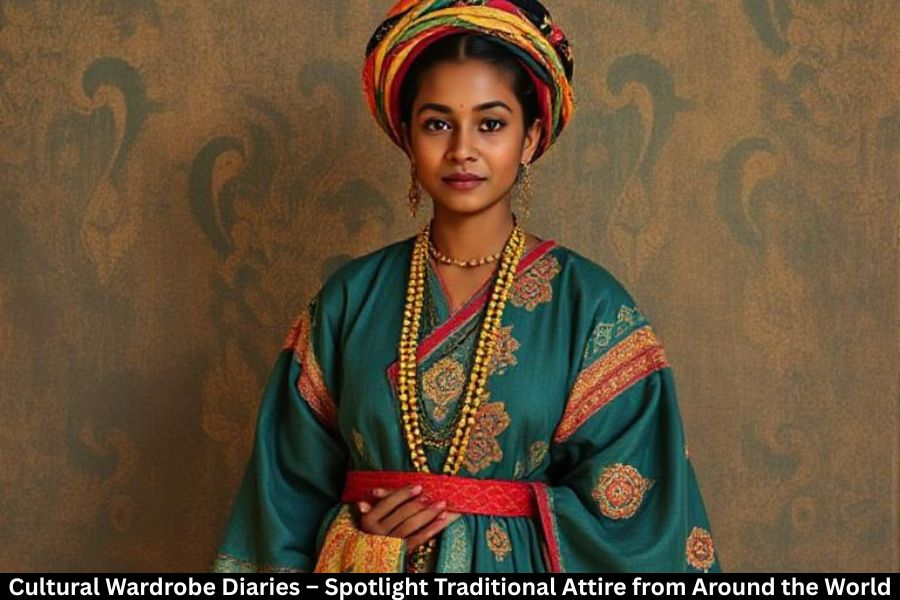
Cultural wardrobes have always been more than just fabric stitched together. They are the threads that weave together the history, values, and identities of people across the globe. Whether it’s the vibrancy of African prints, the graceful silhouette of a kimono, or the intricate patterns on a sari, traditional clothing offers a rich window into a culture’s soul. This article takes you on a journey through different corners of the world to explore the beauty and significance of traditional attire.
The Richness of Cultural Wardrobes
Cultural diversity reflected in clothing
Clothing is more than just something we wear; it’s an expression of identity, heritage, and community. Across continents, different cultures have used clothing as a way to represent their beliefs, environment, and historical experiences. In many cultures, traditional attire is worn during festivals, weddings, and other significant life events. But it’s not just for special occasions—traditional clothing often forms the backbone of daily life, connecting generations with their roots.
How clothing connects people to their roots
Traditional attire serves as a living record of a culture’s past. It reflects the values and practices passed down through generations. For instance, the techniques and materials used to create these garments often have centuries-old origins, telling stories of trade, migration, and innovation. Wearing these clothes allows individuals to honor their ancestry and keep alive the rich heritage of their people.
Traditional Attire in Asia
Asia, home to an incredibly diverse range of cultures, has an assortment of traditional garments that each tell a unique story of the people who wear them.
The Kimono – Japan’s Elegant Symbol
In Japan, the kimono is more than just a garment; it’s a symbol of tradition, grace, and respect. Traditionally worn during ceremonies such as weddings and tea ceremonies, the kimono is characterized by its long sleeves, elaborate patterns, and a belt called an obi. The kimono’s design often incorporates nature-inspired motifs like flowers and birds, making it a true work of art. Despite its association with formal events, the kimono still holds a place in contemporary Japanese fashion, albeit in a more casual, modernized form.
The Sari – India’s Timeless Elegance
The sari is perhaps one of the most iconic traditional garments in the world. Worn by women across India and the South Asian diaspora, this piece of cloth—often ranging from five to nine yards in length—can be draped in many different styles, depending on the region. The sari is a symbol of feminine grace, and its rich fabrics, including silk, cotton, and chiffon, are often embellished with intricate embroidery or vibrant prints. Whether it’s for a wedding, a festival, or daily wear, the sari is an enduring testament to India’s cultural heritage.
The Hanbok – Korea’s Graceful Garb
The hanbok, Korea’s traditional attire, is known for its bright colors and simple lines, which express a sense of elegance and harmony. Typically worn during holidays and celebrations, the hanbok consists of a jeogori (jacket) and a chima (skirt) for women, or baji (pants) for men. The hanbok’s minimalistic yet graceful design symbolizes the Korean philosophy of balance between nature and humanity.
Traditional Attire in the Middle East
The Middle East, a region rich in history and culture, has developed traditional clothing that blends practicality with deep cultural significance.
The Abaya and Hijab – Saudi Arabia and Beyond
The abaya is a loose-fitting black robe worn by women in many countries across the Arabian Peninsula, including Saudi Arabia. Often paired with a hijab (headscarf), this outfit symbolizes modesty and respect for tradition. While the abaya has evolved in terms of design and fashion, its core purpose remains to promote humility and protect a woman’s privacy in public.
The Kaftan – North Africa’s Rich History
The kaftan is a long, flowing garment that has roots in the Middle East but is also worn across North Africa. Known for its luxurious fabrics and ornate embroidery, the kaftan is often reserved for special occasions like weddings or religious celebrations. The colors and patterns of the kaftan vary by region, with each country adding its own touch of creativity to this iconic garment.
The Dishdasha – Clothing of the Arabian Peninsula
In the Arabian Peninsula, men traditionally wear the dishdasha, also known as a kandura or thobe. This simple, long white robe is designed to keep the wearer cool in the region’s hot climate. Though its design is modest, the dishdasha is often accessorized with a ghutra (headscarf) or agal (cord to secure the headscarf), adding an element of style and tradition.
European Cultural Wardrobes
Europe has its own diverse range of traditional garments that vary from country to country, often showcasing regional pride and historical significance.
The Scottish Kilt – A Symbol of Heritage
The kilt is arguably one of the most iconic garments associated with Scotland. Traditionally worn by men, the kilt is a woolen garment with a tartan pattern, often linked to a specific Scottish clan. Worn with a sporran (a pouch), kilt hose (socks), and a jacket, the kilt is a symbol of Scottish identity, often worn during celebrations like weddings or Highland games.
The Dirndl and Lederhosen – Bavaria’s Traditional Wear
In Bavaria, both the dirndl (worn by women) and lederhosen (worn by men) are synonymous with German folk culture. The dirndl is a dress with a fitted bodice, full skirt, and apron, while lederhosen are leather shorts worn by men, typically accompanied by suspenders. Both outfits are deeply rooted in Bavarian traditions, often worn during festivals like Oktoberfest.
The Flamenco Dress – Spain’s Passionate Tradition
The flamenco dress, with its flowing skirts and polka-dotted patterns, is a symbol of Spain’s passionate and vibrant culture. Worn by women during flamenco performances, the dress represents grace and emotional intensity. It is often paired with a fan or shawl, adding an extra layer of flair to the lively dance.
Traditional Attire in Africa
Africa’s cultural richness is reflected in its diverse and colorful traditional clothing.
The Dashiki – West Africa’s Vibrant Identity
The dashiki, a loose-fitting shirt with bright colors and intricate designs, is a popular garment in West Africa. It represents African pride and is often worn during cultural festivals, weddings, and community events. The dashiki’s bold patterns and comfortable fit make it a symbol of African unity and strength.
The Shúkà – The Maasai’s Iconic Garb
The Maasai people of East Africa are famous for their vibrant red shúkà, a type of cloth worn by both men and women. The shúkà, wrapped around the body and often accessorized with beaded jewelry, signifies the Maasai’s deep connection to their land and heritage.
The Kilt – A Traditional Zulu Look
In Southern Africa, the Zulu people wear a traditional kilt as part of their ceremonial dress. Made from animal skins, the kilt is worn during important events such as weddings and cultural celebrations. It symbolizes strength, courage, and respect for tradition.
The Influence of Colonialism on Traditional Dress
Colonialism had a significant impact on indigenous clothing worldwide. While colonial powers sought to impose their own styles and dress codes, many cultures found ways to blend their traditional clothing with Western influences. The result is a fusion of styles that preserves certain traditional elements while incorporating modern aspects.
The Future of Traditional Attire in Modern Fashion
In the face of globalization, many designers are drawing inspiration from traditional garments to create fusion fashion. By modernizing traditional attire, they are keeping cultural identities alive while making them relevant in the contemporary fashion world. This blending of old and new helps ensure that traditional clothing remains a part of the global fashion narrative.
Conclusion
Traditional attire serves as a vital connection between the past and present, allowing cultures to preserve their identities and express their history through fashion. From the intricacy of the kimono to the boldness of the Maasai shúkà, each piece of traditional clothing carries with it a unique story that deserves to be celebrated. As the world becomes more interconnected, it’s crucial to honor and appreciate these garments as representations of cultural diversity.
Frequently Asked Questions (FAQs)
What is the significance of traditional clothing?
Traditional clothing holds cultural, historical, and symbolic importance, reflecting the values and heritage of a particular group.
Why are traditional garments often worn during ceremonies?
These garments are often worn during significant life events as a way to honor traditions and show respect for cultural heritage.
How have traditional garments influenced modern fashion?
Many modern designers incorporate elements of traditional attire into their collections, blending heritage with contemporary style.
Are traditional clothes still worn in everyday life?
In some cultures, traditional clothing is still worn daily, while in others, it is reserved for special occasions or ceremonies.
What role do textiles play in traditional clothing?
The materials used in traditional clothing often carry symbolic meanings, and the techniques involved in crafting these garments are passed down through generations.