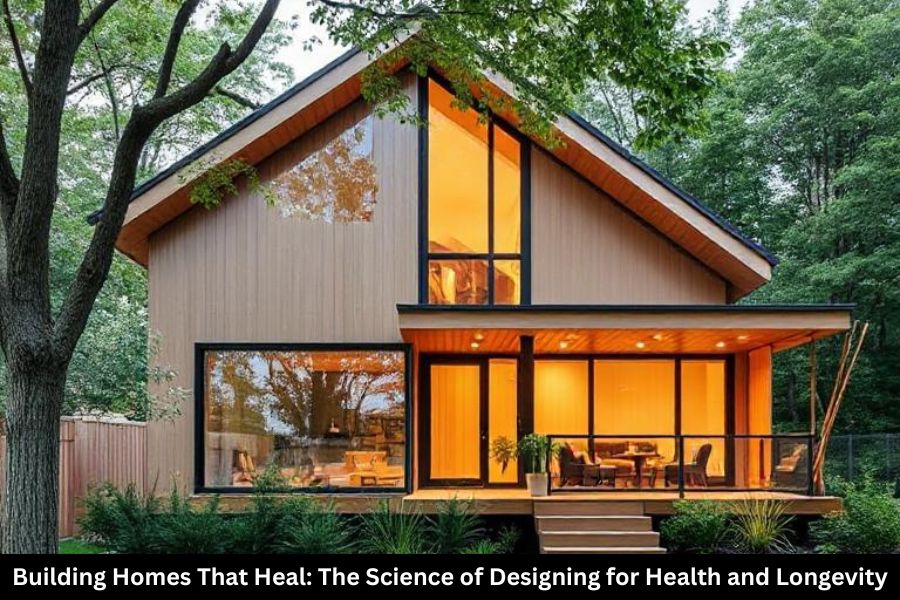
Your home affects your health more than you think. It’s where you sleep, eat, relax, and recharge. If the environment doesn’t support you—physically or mentally—it can quietly drain your energy and well-being.
The Rise of Wellness Architecture
Wellness architecture focuses on designing spaces that support longevity, balance, and holistic health. It’s not just about aesthetics; it’s about science-backed design that gives your body and mind exactly what they need.
Understanding the Connection Between Health and Environment
The Science of Environmental Psychology
Environmental psychology explores how your surroundings influence your behavior, mood, and overall health. Light, color, layout—even the shape of your furniture—affects how you feel.
How Indoor Spaces Affect Stress Levels
Cluttered rooms increase cortisol. Dark corners trigger fatigue. Poor ventilation contributes to brain fog. The good news? Small design changes can drastically reduce stress.
The Role of Circadian Rhythms
Your internal clock depends on light. When your home design supports natural circadian rhythms, your sleep improves, your mood stabilizes, and your energy levels stay balanced.
Core Principles of Healthy Home Design
Natural Light Optimization
Maximizing daylight is one of the most powerful ways to improve well-being.
Impact on Mood and Sleep
Sunlight boosts serotonin during the day and promotes melatonin production at night. Rooms with large windows or skylights naturally support better sleep cycles.
Air Quality and Ventilation
Clean air is essential for a healing home.
Reducing Indoor Pollutants
Using low-VOC paints, natural flooring, and proper ventilation reduces toxins that contribute to allergies and respiratory issues.
Biophilic Integration
Indoor plants, natural textures, and organic materials reconnect you to nature, reducing stress and improving cognitive function.
Noise Reduction Strategies
Soundproofing walls, using soft fabrics, and adding vegetation buffers can create a quieter, more peaceful environment.
Ergonomic Design for Longevity
Ergonomics isn’t just for offices. Your furniture should support posture, reduce strain, and encourage movement.
Materials That Promote Health
Non-Toxic Building Materials
Choose paints, adhesives, and flooring that are free from harmful chemicals. Your lungs will thank you.
Sustainable and Eco-Friendly Choices
Wood, bamboo, cork, clay, and recycled materials are durable and healthy options that also support the planet.
Natural Fabrics and Finishes
Cotton, linen, wool, hemp, and organic finishes feel better on the skin and reduce synthetic exposure.
Designing Rooms That Support Healing
Calming Bedrooms for Rest
Your bedroom should feel like a sanctuary—soft lighting, breathable fabrics, and clutter-free mornings.
Stress-Free Living Rooms
Comfortable seating, warm textures, and natural elements make the living room a calm social space.
Mindful Kitchens That Encourage Healthy Eating
Bright lighting, natural materials, and organized storage can subtly encourage healthier choices.
Spa-Inspired Bathrooms for Relaxation
Warm lighting, aromatherapy, and natural stone elements turn an ordinary bathroom into a wellness retreat.
Technology That Enhances Health at Home
Smart Air Purification Systems
These systems monitor pollutants and adjust automatically for cleaner breathing.
Lighting That Mimics Natural Sunlight
Circadian lighting adjusts throughout the day to support your internal clock.
Wearable Integration and Health Tracking
Your home can sync with your wellness devices to adjust lighting, temperature, and reminders.
Creating a Home That Supports Mental Health
Mindfulness Corners and Retreat Spaces
Small quiet areas with cushions, plants, or candles help you recharge daily.
Color Psychology in Design
Soft blues calm. Greens heal. Warm neutrals comfort. Colors matter.
Clutter-Free Living for Mental Clarity
Minimalism isn’t about owning less—it’s about living better. Decluttering frees mental space.
Outdoor Spaces and Longevity
Healing Gardens and Green Spaces
Gardens promote relaxation, reduce stress, and improve physical health.
Outdoor Rooms and Patios
Blending indoor and outdoor living boosts mood and encourages fresh-air activities.
The Power of Sunlight and Fresh Air
Vitamin D and clean air are essential for long-term health—your outdoor spaces can deliver daily doses.
Building for All Ages
Universal Design for Longevity
Homes that grow with you can prevent injuries and support independence.
Safety Features for Aging in Place
Grab bars, ramps, wide hallways, and slip-resistant flooring make homes safer.
Child-Friendly Wellness Features
Soft surfaces, clean air, and safe materials help children thrive.
Common Mistakes in Wellness Design
Overlooking Ventilation
You can’t see air quality, but you can feel the effects—dizziness, headaches, and fatigue.
Using Toxic Materials
Cheap materials often come with hidden dangers. Choose wisely.
Poor Space Arrangement
Bad flow creates stress. Good flow creates peace.
The Future of Healthy Home Design
Regenerative Architecture
Future homes won’t just reduce harm—they’ll actively improve the environment.
Homes That Monitor Health in Real-Time
Sensors will detect allergens, lighting needs, air quality, and even stress levels.
The Integration of AI in Home Wellness
AI-driven homes will personalize your environment based on your habits and health data.
Conclusion
Homes can heal—or harm. By intentionally designing spaces that support health, we build environments that nourish our bodies, relax our minds, and extend our lifespan. Healthy home design isn’t about perfection; it’s about thoughtful choices that transform daily life. When you create a home that works with your biology, you’re investing in long-term wellness, comfort, and joy.
FAQs
1. What makes a home “healing”?
A healing home supports physical, mental, and emotional well-being through light, air, materials, and design.
2. How do I start designing for wellness?
Begin with improving lighting, air quality, and reducing clutter.
3. Are natural materials always better?
Usually yes—natural materials reduce toxins and create calming environments.
4. Can technology really improve home health?
Absolutely. Smart systems adjust light, air, and temperature to support your body’s needs.
5. Is wellness design expensive?
It doesn’t have to be. Small changes—like plants or natural fabrics—can make a big impact.