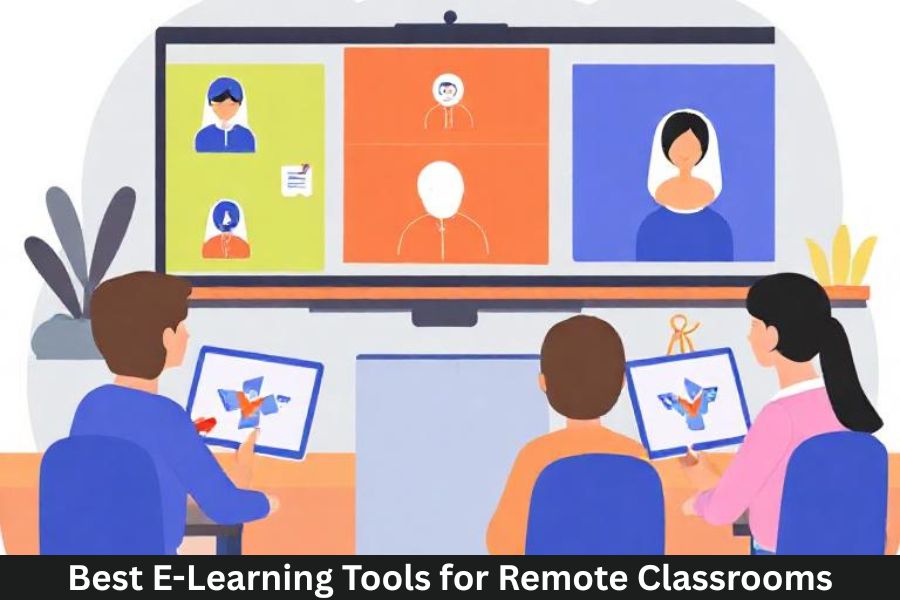
Remote learning has changed the way students learn and teachers teach. Whether it’s due to global events, distance challenges, or the need for flexible learning, e-learning tools have become essential in modern education. With so many platforms available today, choosing the right tools can feel overwhelming. But don’t worry—this guide simplifies everything.
Why Remote Learning Has Become the New Normal
The world shifted quickly to online learning, and even as traditional classrooms return, remote and hybrid models are here to stay. They offer flexibility and open learning opportunities that didn’t exist before.
How Technology Is Transforming Education
From video lessons to interactive quizzes, technology has added excitement, personalization, and efficiency to teaching.
The Importance of Choosing the Right E-Learning Tools
Using the right tools can make remote learning smooth, effective, and enjoyable for both students and teachers.
What Makes an E-Learning Tool Effective?
Ease of Use
If a tool is complicated, students and teachers will avoid it. Simplicity is key.
Compatibility Across Devices
Good tools work on laptops, tablets, and even mobile phones.
Features That Support Learning
Interactive content, assignments, quizzes, feedback options—all matter.
Engagement and Interactivity
The more engaged students are, the better they learn.
Top E-Learning Tools for Remote Classrooms
Google Classroom
Why Teachers Love It
It’s simple, organized, and integrates with almost everything.
Key Features
- Easy assignment sharing
- Google Drive integration
- Class announcements
- Simple grading system
Microsoft Teams for Education
Collaborative Learning Made Easy
Students and teachers can chat, share files, and join meetings in one place.
Best Uses
- Group projects
- Assignments
- Virtual classes
Zoom
Live Classes and Virtual Interaction
Zoom connects teachers and students through live video sessions.
Useful Features for Teachers
- Breakout rooms
- Screen sharing
- Attendance tracking
- Whiteboard
Khan Academy
Free Learning for Everyone
Khan Academy offers high-quality, free lessons.
Best Subjects and Uses
- Math
- Science
- SAT prep
- Practice exercises
Edmodo
Social-Learning Style Environment
Edmodo feels like a safe social network for classrooms.
Teacher-Friendly Tools
- Assignments
- Quizzes
- Progress tracking
Nearpod
Interactive Learning That Keeps Students Engaged
Nearpod turns boring lessons into interactive experiences.
Types of Activities
- Quizzes
- Polls
- 3D models
- VR experiences
Quizizz
Fun and Gamified Learning
Students love Quizizz for its fun, game-like quizzes.
Best Situations to Use It
- Revision
- Tests
- Practice sessions
Seesaw
Great for Younger Students
Seesaw helps children share their work with teachers and parents.
Parent Involvement Features
Parents can monitor progress through the app.
Moodle
Customizable and Open-Source
Schools can tailor Moodle to their needs.
Why Schools Prefer It
- Secure
- Flexible
- Supports many learning formats
Canva for Education
Create Beautiful Learning Content
Teachers can design worksheets, presentations, posters, and more.
Uses for Teachers and Students
- Group projects
- Class presentations
- Visual assignments
Specialized Tools for Skill-Based Learning
Duolingo (Languages)
Perfect for learning new languages through gamified levels.
Code.org (Coding & Computer Science)
Ideal for beginners wanting to learn coding basics.
Skillshare (Creative Skills)
Great for remote classes focusing on art, design, and creativity.
Coursera (University-Level Courses)
Offers advanced courses from top universities.
Tools for Classroom Management & Assessment
ClassDojo
Helps build classroom community through behavior tracking and communication.
Socrative
Allows teachers to create live quizzes and assessments.
Formative
Provides real-time student responses for better feedback.
Google Forms for Quick Tests
Fast, free, and easy assessments in minutes.
Tools for Collaboration & Group Projects
Padlet
Acts like a digital wall where students can post ideas and files.
Miro
A digital whiteboard for brainstorming sessions.
Jamboard
Google’s simple whiteboard tool for interactive lessons.
How to Choose the Best E-Learning Tools for Your Classroom
Match Tools with Learning Goals
Pick tools that support your teaching objectives.
Consider Student Age Group
Younger kids need simpler platforms; older students can handle advanced tools.
Check Accessibility Features
Closed captions, screen readers, and translations matter.
Test Before Implementing
Always try the tool yourself before introducing it in class.
Benefits of Using E-Learning Tools in Remote Classrooms
Personalized Learning
Students can learn at their own pace.
Better Engagement
Interactive activities keep learners interested.
Flexibility and Convenience
Classes can happen anywhere, anytime.
Improved Teacher-Student Communication
Messaging and feedback tools make communication easier.
Challenges Schools Face With E-Learning Tools
Internet Connectivity Issues
Not all students have stable internet.
Screen Fatigue
Too much screen time can be tiring.
Lack of Proper Training
Teachers need time to learn how to use new tools effectively.
Distractions at Home
Home environments can be unpredictable.
Tips for Using E-Learning Tools Effectively
Keep Lessons Short and Simple
Attention spans vary—keep content crisp.
Mix Tools to Avoid Monotony
Use different tools for teaching, practicing, and assessing.
Encourage Student Interaction
Ask questions, use polls, enable group work.
Track Progress Regularly
Monitor student activity and provide feedback.
Conclusion
E-learning tools have transformed remote classrooms into dynamic, interactive spaces where learning continues beyond physical boundaries. Whether you’re a teacher looking to simplify your workload or a student wanting a more engaging experience, the right tools can make all the difference. With thoughtful selection and consistent use, remote learning becomes just as powerful—if not more—than traditional classrooms.
FAQs
1. Which e-learning tool is best for live classes?
Zoom and Microsoft Teams are top choices for live virtual lessons.
2. Is Google Classroom free to use?
Yes, Google Classroom is completely free.
3. What tool is best for creating quizzes?
Quizizz and Socrative offer excellent quiz-building options.
4. Which tools help with student engagement?
Nearpod, Kahoot, and Padlet keep students active and engaged.
5. Can younger children use remote learning tools easily?
Yes—Seesaw and ClassDojo are perfect for young learners.