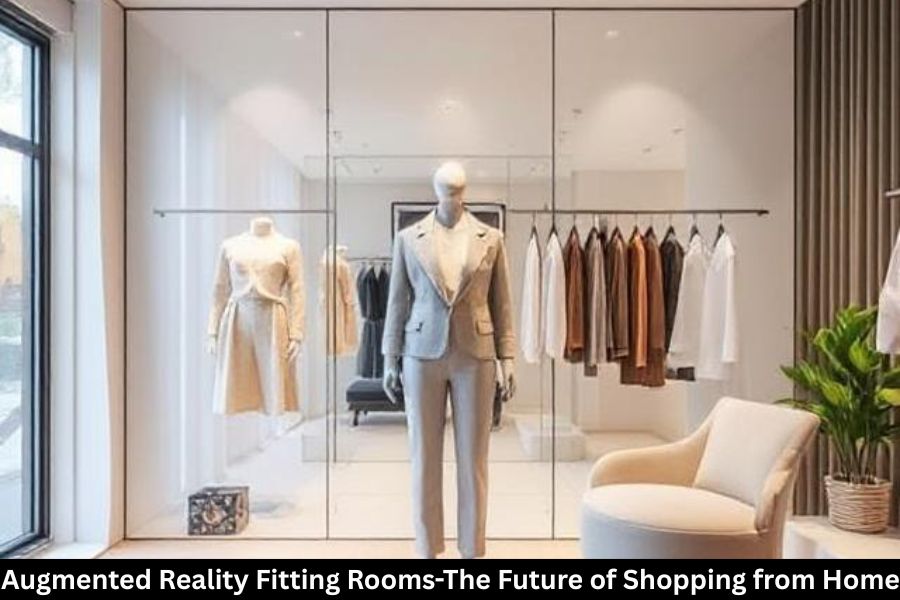
Online shopping has changed the way we buy clothes, but let’s be honest—choosing something without trying it on can feel like a gamble. Will it fit? Will it look good? Enter Augmented Reality (AR) fitting rooms, the game-changing technology that lets you try on outfits from your living room. No queues. No awkward store lighting. No stress.
The Rise of Virtual Shopping Experiences
As more people shop online, the demand for realistic, immersive try-on tools has skyrocketed. AR fitting rooms solve the biggest challenge: uncertainty.
Why Traditional Fitting Rooms Are Becoming Obsolete
Customers want convenience, speed, personalization—and AR delivers all three. For many shoppers, a virtual fitting room is more appealing than stepping into a cramped store booth.
What Are Augmented Reality Fitting Rooms?
How AR Technology Works
AR fitting rooms overlay digital clothing onto your real-time image using your phone, laptop, or AR mirror. Think of it as a digital mirror that shows you wearing any outfit without physically putting it on.
The Difference Between AR and VR in Fashion
- VR creates a fully virtual environment.
- AR blends digital clothing with your real physical world.
That’s why AR is the go-to choice for realistic try-ons.
The Growing Influence of AR in Online Shopping
The Shift Toward Digital Fashion Try-Ons
Try-ons have moved from physical to digital, allowing you to see how jeans, dresses, or shoes look on your real body without leaving home.
Consumer Behavior in the Age of Technology
Shoppers love speed and accuracy. AR fitting rooms offer both, making the shopping experience smooth and smart.
Key Features of AR Fitting Rooms
3D Body Scanning
Advanced cameras scan your body shape to create a customized avatar with accurate measurements.
Real-Time Garment Simulation
AR shows how fabric moves, stretches, or drapes on your body—just like a real fitting room.
Size and Fit Suggestions
Algorithms analyze your body data to suggest the perfect size, reducing guesswork.
AI-Powered Personalized Styling
AI recommends outfits based on your shape, preferences, and previous purchases.
Benefits of AR Fitting Rooms
Zero Need to Visit Stores
No traffic, no crowds, no dressing-room queues—shop whenever and wherever you want.
Better Shopping Confidence
Seeing yourself in an outfit boosts decision-making and reduces hesitation.
Reduced Product Returns
Since you can virtually try before buying, you make fewer size and style mistakes.
More Personalized Fashion Experiences
AR fitting rooms adapt to your taste and style—offering a boutique-like experience.
How Brands Are Using AR to Transform Shopping
Leading Fashion Retailers Adopting AR
Top brands now integrate AR try-on tools on their websites and apps to enhance customer satisfaction.
Small Businesses Leveraging AR for Growth
Smaller fashion brands use AR to stand out in the crowded online market, offering a high-end feel without needing physical stores.
The Role of Social Media and Influencers
Virtual Try-On Filters
Platforms like Instagram and Snapchat allow users to test makeup, sunglasses, and even clothing through AR filters.
AR Shopping Integrated in Social Apps
Shopping directly through TikTok or Instagram with AR previews makes the process more engaging and fun.
The Future of AR in Fashion
Hyper-Realistic Avatars
Soon, your digital version may look identical to you—right down to your skin texture and posture.
Fully Digital Fashion Shows
Designers are shifting to virtual runways where viewers can instantly try on outfits worn by models.
Smart Wardrobes and Digital Closets
AR will help you organize outfits, mix and match clothing, and plan looks for any occasion.
Challenges of AR Fitting Rooms
Accuracy and Technical Limitations
While AR is impressive, it isn’t always perfect. Some garments may not display movement realistically.
Privacy and Data Concerns
Body scanning requires personal information, raising concerns about data safety.
Accessibility Issues
Not everyone has the device quality or internet speed necessary for smooth AR use.
Will AR Replace In-Store Shopping?
Hybrid Shopping Models
Stores may combine physical try-ons with AR tools to offer the best of both worlds.
The Human Touch That Technology Can’t Replace
Some people enjoy the physical experience—touching fabrics, browsing racks, or shopping socially.
Preparing for the AR Shopping Revolution
What Consumers Should Expect
Expect faster shopping, more accurate sizing, and personalized fashion recommendations.
How Brands Can Adapt
To stay relevant, fashion companies must integrate AR technology and invest in customer-centered experiences.
Conclusion
Augmented Reality fitting rooms are reshaping the future of fashion. They give us the ability to try clothes virtually, save time, avoid returns, and shop confidently from home. The fashion industry is shifting fast, and AR is leading the revolution—turning shopping into a fun, futuristic, and highly personalized experience. Whether you’re a brand or a shopper, AR fitting rooms are the future, and the future looks stylish.
FAQs
1. What is an AR fitting room?
An AR fitting room lets you try on clothes virtually using a phone, laptop, or AR mirror.
2. Does AR make shopping more accurate?
Yes, AR provides size suggestions and realistic try-ons, making purchases more confident.
3. Are AR fitting rooms safe to use?
They’re safe as long as brands follow privacy guidelines to protect your scanned data.
4. Will AR completely replace physical stores?
Not entirely—hybrid shopping that mixes digital and physical experiences will likely dominate.
5. Can small businesses use AR technology?
Absolutely! Affordable AR tools allow small brands to compete with bigger retailers.