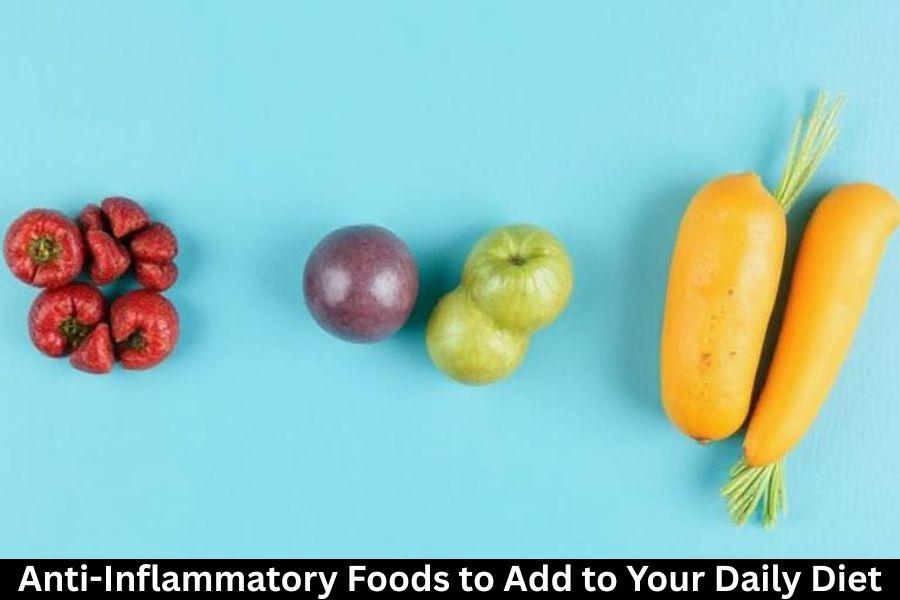
If you’ve ever experienced pain, swelling, or discomfort in your joints, muscles, or even internally, you’ve probably encountered inflammation. While inflammation is a natural response to injury or infection, chronic inflammation can be damaging to your health. It’s linked to a variety of health conditions, including heart disease, arthritis, diabetes, and even some cancers. The good news? One of the most powerful tools for reducing chronic inflammation is right in your kitchen. By adding anti-inflammatory foods to your daily diet, you can help manage inflammation and improve your overall health.
What is Inflammation?
Inflammation is the body’s natural defense mechanism against harmful invaders like bacteria, viruses, or toxins, and it helps promote healing after an injury. This is called acute inflammation and typically resolves once the injury or infection is treated. However, when inflammation becomes prolonged or chronic, it can contribute to various health problems. Chronic inflammation can be low-grade and persistent, affecting the body over time and leading to diseases like heart disease, diabetes, and autoimmune disorders.
Why You Should Focus on Anti-Inflammatory Foods
Chronic inflammation is often referred to as the “silent killer” because it can progress without noticeable symptoms. But the good news is that your diet can have a significant impact on managing this condition. Certain foods are naturally anti-inflammatory and can help reduce the body’s inflammatory response. By focusing on anti-inflammatory foods, you can support your immune system, improve your energy levels, and protect your body from chronic disease.
Top Anti-Inflammatory Foods to Add to Your Diet
When it comes to combating inflammation, not all foods are created equal. Some foods can trigger or worsen inflammation, while others actively fight it. Let’s look at the top anti-inflammatory foods that can make a real difference.
Berries: Blueberries, Strawberries, and Blackberries
Berries are packed with antioxidants, particularly flavonoids, which have been shown to have potent anti-inflammatory properties. Blueberries, in particular, are rich in anthocyanins, which help combat oxidative stress in the body, reducing inflammation. Strawberries and blackberries are also loaded with vitamin C, another powerful antioxidant that helps fight inflammation and supports the immune system.
Leafy Greens: Spinach, Kale, and Swiss Chard
Leafy greens like spinach, kale, and Swiss chard are nutrient-dense and packed with vitamins and minerals that reduce inflammation. These vegetables are high in vitamin K, a nutrient known to help regulate inflammatory processes in the body. They also contain flavonoids, which protect cells from oxidative damage and reduce the inflammatory response.
Fatty Fish: Salmon, Mackerel, and Sardines
Fatty fish like salmon, mackerel, and sardines are excellent sources of omega-3 fatty acids, which are known for their ability to reduce inflammation. Omega-3s work by inhibiting the production of molecules and substances linked to inflammation. Eating fatty fish regularly can significantly lower the levels of inflammatory markers in the body, particularly in those with inflammatory conditions like arthritis.
Nuts: Almonds, Walnuts, and Cashews
Nuts are another great addition to your anti-inflammatory diet. Almonds, walnuts, and cashews are rich in healthy fats, fiber, and antioxidants, all of which help reduce inflammation. Walnuts, in particular, are packed with omega-3s, making them a particularly powerful anti-inflammatory food. Regular consumption of nuts can help reduce levels of C-reactive protein (CRP), a marker of inflammation.
Spices That Fight Inflammation
Certain spices are potent anti-inflammatories that can be easily incorporated into your meals. Let’s look at two of the most powerful:
Turmeric and its Active Compound, Curcumin
Turmeric, a bright yellow spice commonly used in curry dishes, contains curcumin, a compound with strong anti-inflammatory properties. Curcumin has been shown to block inflammatory pathways and reduce inflammation in various parts of the body. Including turmeric in your diet, especially in combination with black pepper (which enhances curcumin absorption), can provide significant health benefits.
Ginger: A Powerful Anti-Inflammatory Spice
Ginger is another spice with potent anti-inflammatory effects. It contains gingerols, compounds that reduce inflammation and have antioxidant properties. Studies have shown that ginger can help reduce pain and swelling, particularly in people with osteoarthritis and rheumatoid arthritis.
Olive Oil: The Heart-Healthy Fat
Extra virgin olive oil is rich in oleocanthal, a compound that mimics the effects of anti-inflammatory drugs like ibuprofen. The monounsaturated fats in olive oil are also heart-healthy and can reduce levels of inflammation. Incorporating olive oil into your diet, such as drizzling it on salads or using it for cooking, can be an easy way to reduce inflammation naturally.
Whole Grains: Brown Rice, Quinoa, and Oats
Unlike refined grains, whole grains are packed with fiber, which plays a crucial role in reducing inflammation. Foods like brown rice, quinoa, and oats are high in antioxidants, vitamins, and minerals that promote overall health and reduce inflammatory markers in the body. They help regulate blood sugar levels, preventing spikes that can contribute to inflammation.
Beans and Legumes
Beans, lentils, and chickpeas are fiber-rich foods that can significantly reduce inflammation. These plant-based protein sources are packed with polyphenols, antioxidants that help protect against oxidative stress and reduce inflammation. They also support digestive health, which is closely tied to inflammation.
Avocados: A Nutrient-Dense Anti-Inflammatory Food
Avocados are a great source of healthy fats, particularly monounsaturated fats, which help fight inflammation. They are also rich in vitamin E, an antioxidant that has been shown to reduce inflammation in the body. Studies suggest that the compounds in avocados can help lower inflammatory markers like CRP and reduce the risk of chronic diseases.
Green Tea: A Natural Anti-Inflammatory Beverage
Green tea is packed with antioxidants called catechins, which have powerful anti-inflammatory effects. The most notable catechin, epigallocatechin gallate (EGCG), has been shown to reduce inflammation and protect cells from oxidative damage. Drinking a cup or two of green tea daily can be an effective way to reduce inflammation and improve overall health.
The Importance of Hydration in Fighting Inflammation
Staying hydrated is another important factor in reducing inflammation. Drinking enough water helps flush toxins from your body and supports the proper function of your organs, including your immune system. Herbal teas like chamomile and peppermint are also excellent for reducing inflammation and promoting digestion.
Combining These Foods for Maximum Effect
The key to an anti-inflammatory diet is variety. To maximize the benefits, try combining several of these foods in each meal. For example, a bowl of oatmeal topped with berries, a sprinkle of flaxseed, and a drizzle of olive oil can provide a powerful anti-inflammatory punch.
How to Transition to an Anti-Inflammatory Diet
Switching to an anti-inflammatory diet doesn’t have to be overwhelming. Start by gradually adding more fruits, vegetables, whole grains, and healthy fats to your meals. Reduce your intake of processed foods, sugary snacks, and refined grains, which can contribute to inflammation. Small, consistent changes will lead to long-term benefits.
The Impact of an Anti-Inflammatory Diet on Long-Term Health
By consistently consuming anti-inflammatory foods, you can reduce the risk of chronic diseases like heart disease, diabetes, and arthritis. Over time, this diet can help manage weight, improve mood, and increase energy levels.
Conclusion
Incorporating anti-inflammatory foods into your daily diet is a powerful way to improve your health and reduce inflammation naturally. From fatty fish and leafy greens to turmeric and green tea, the foods you eat can have a significant impact on your body’s inflammatory response. By making small changes today, you can enjoy long-term benefits for your health and well-being.
FAQs
What are the best foods to reduce inflammation?
Berries, leafy greens, fatty fish, nuts, and spices like turmeric and ginger are some of the best anti-inflammatory foods.
Can an anti-inflammatory diet help with joint pain?
Yes, an anti-inflammatory diet can help reduce pain and swelling in joints, particularly for those with arthritis.
How quickly can you see results from an anti-inflammatory diet?
Some people notice improvements in energy, mood, and inflammation markers within a few weeks, though long-term benefits are seen with consistent dietary changes.
Is it necessary to avoid all processed foods to reduce inflammation?
While it’s not necessary to avoid all processed foods, reducing your intake of refined sugars, trans fats, and overly processed foods can significantly help manage inflammation.
Can I drink coffee on an anti-inflammatory diet?
Coffee can be part of an anti-inflammatory diet if consumed in moderation. However, it’s best to limit sugary additives and excessive caffeine.