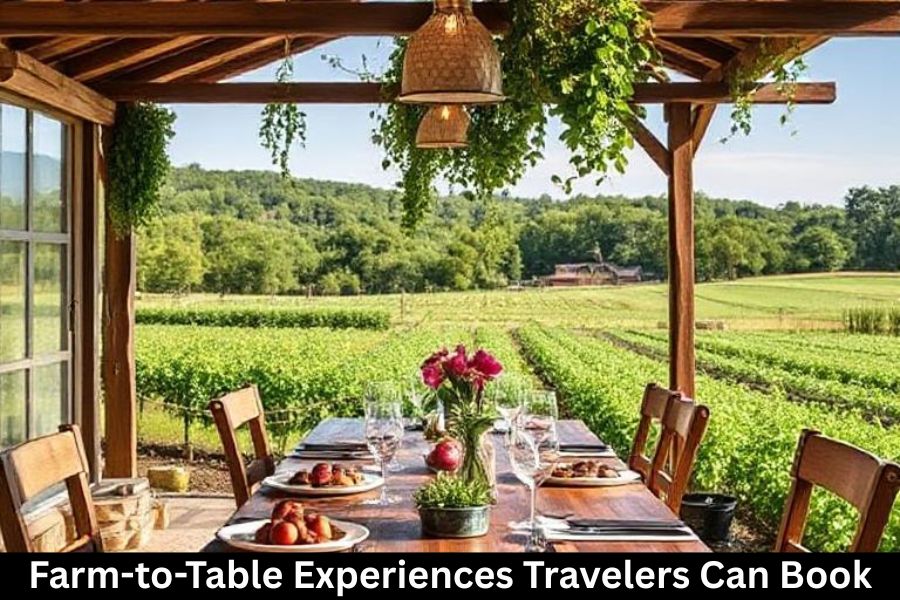
Farm-to-table dining is exactly what it sounds like: food that travels directly from a farm to a table, usually within a very short time frame. It’s about sourcing ingredients locally, supporting local farmers, and ensuring that the food you eat is as fresh as possible. This concept isn’t new, but its popularity has grown significantly in recent years, especially among travelers seeking more authentic and sustainable dining experiences.
The Growing Popularity of Farm-to-Table Experiences
In an era where food production and sustainability are critical issues, the farm-to-table movement has become a cornerstone of ethical dining. Travelers today are more conscious of how their food is produced, and many are eager to connect with the source of their meals. Farm-to-table experiences offer a unique way to explore local cuisine while supporting sustainable practices.
Why Travelers Are Embracing Local, Sustainable Dining
More than just a dining choice, farm-to-table experiences allow travelers to embrace the local culture, taste the authenticity of a region, and contribute to the sustainability of the community. It’s a win-win—tourists get a deeper connection to the food they eat, and local farmers get the recognition and support they deserve.
Why Farm-to-Table is More Than Just a Trend
The Benefits of Eating Locally Sourced Food
Locally sourced food is fresher, often more nutrient-dense, and better for the environment. By choosing farm-to-table, travelers are ensuring that their meals are prepared using ingredients that are grown in the local climate, often without pesticides and other harmful chemicals. It’s healthier for you, and better for the planet.
Sustainability and Supporting Local Farmers
Farm-to-table experiences are inherently sustainable because they prioritize short supply chains, reducing the carbon footprint associated with transporting food. This reduces waste and supports local farmers, who often use environmentally friendly farming practices. In turn, travelers help boost the local economy by supporting independent businesses.
Authentic Culinary Experiences
Farm-to-table dining offers a more authentic taste of a region. Instead of experiencing generic, mass-produced dishes, travelers get a chance to enjoy food that has been prepared with the best local ingredients, often in traditional methods. This provides a deeper understanding of a region’s culinary history and culture.
Top Farm-to-Table Experiences Around the World
Farm Tours and Cooking Classes in Tuscany
Tuscany, Italy, is synonymous with food and wine, and farm-to-table experiences in this region are unmatched. Visitors can tour organic farms, participate in cooking classes where they learn to prepare traditional Tuscan dishes, and enjoy meals made from locally grown ingredients. Pair this with a wine-tasting session at one of Tuscany’s famed vineyards, and you’ve got a true farm-to-table adventure.
Organic Farm Stays in California
California’s diverse agriculture offers a wide range of farm-to-table experiences. Organic farm stays, where guests can live on a working farm, are becoming increasingly popular. You’ll wake up with the sun, harvest your own breakfast, and enjoy meals made with the freshest seasonal produce. These stays also often include cooking lessons on preparing California-style dishes, making it an ideal hands-on culinary experience.
Foraging and Dining in the Scottish Highlands
For those looking for something a little more adventurous, foraging and dining in the Scottish Highlands can offer an exciting farm-to-table experience. Guests can join foraging experts to collect wild herbs, mushrooms, and berries before learning to cook these ingredients in a local chef’s kitchen. The result is a meal inspired by the wild landscape and centuries of Scottish culinary traditions.
Exploring the Greek Countryside Through Its Cuisine
The Greek countryside offers a picturesque backdrop for farm-to-table dining. Visitors can explore olive groves, vineyards, and farms producing fresh vegetables and herbs. Many experiences include traditional Greek cooking classes where travelers learn to prepare Mediterranean dishes using the very ingredients they’ve harvested themselves.
Farm-to-Table Experiences in New Zealand
Known for its organic farming practices, New Zealand is a leader in farm-to-table experiences. Guests can book tours of farms where they learn about sustainable agriculture and sample fresh products like artisanal cheeses, grass-fed meats, and seasonal vegetables. Many of these experiences include tastings paired with local wines, making it a perfect blend of farm-to-table dining and regional culture.
Booking Farm-to-Table Experiences
How to Book a Farm-to-Table Experience
Booking a farm-to-table experience is easier than ever. You can book directly through farm websites, local tourism agencies, or specialized agritourism platforms. Many services offer personalized experiences, from guided tours to private cooking lessons, and even overnight stays on working farms.
What to Expect from a Farm-to-Table Experience
A typical farm-to-table experience might start with a tour of the farm where you’ll meet the producers and learn about the growing process. This is followed by hands-on activities, like picking your own ingredients, followed by a cooking class or meal prepared by a local chef. It’s a fully immersive experience that combines education, adventure, and great food.
Tips for a Memorable Experience
To get the most out of your farm-to-table experience, do some research beforehand. Know what’s in season, and ask about the farm’s sustainability practices. Don’t forget to ask the chefs about the local culinary history to make your experience even richer.
Farm-to-Table and the Future of Travel
The Rise of Agritourism
Agritourism—visiting farms for educational and recreational purposes—is gaining momentum, and it’s clear why. It offers travelers a chance to escape the tourist crowds and engage with nature and food in a meaningful way. Expect to see more farm-to-table experiences integrated into agritourism packages as demand grows.
How Technology is Shaping Farm-to-Table Experiences
Technology is transforming the way we book and experience farm-to-table dining. Mobile apps allow travelers to find and book experiences in real time, while virtual tours and cooking classes have made these experiences accessible to people around the globe. In the future, augmented reality might even let you see how your meal is grown before you prepare it!
Supporting Sustainable Travel Through Local Dining
As travelers become more mindful of their carbon footprints, supporting local farms through farm-to-table dining is an essential part of sustainable travel. By choosing these experiences, travelers are not only enjoying authentic meals but also contributing to the conservation of natural resources and supporting local economies.
The Role of Chefs in Farm-to-Table Experiences
The Chef’s Connection with Local Farms
In a true farm-to-table experience, chefs are closely connected with local farms and suppliers. They often visit the farms personally to select the best produce, ensuring their menu is made from the freshest, seasonal ingredients. This relationship helps chefs create dishes that are both innovative and grounded in local traditions.
How Chefs Create Menus Around Seasonal Ingredients
Farm-to-table chefs are experts at working with what’s in season. Menus are often fluid, changing with the harvest, which makes each visit unique. This ensures that the dining experience feels fresh, vibrant, and connected to the land.
The Rise of Celebrity Chefs and Their Impact on Agritourism
Celebrity chefs have played a huge role in bringing farm-to-table dining into the mainstream. Their restaurants and food shows often highlight the importance of local sourcing, making these experiences even more popular among travelers looking to connect with food in a deeper way.
Health Benefits of Farm-to-Table Dining
Freshness and Nutritional Value
One of the biggest benefits of farm-to-table dining is the freshness of the food. Ingredients that travel a short distance from farm to table retain more nutrients, leading to healthier meals. When food is harvested at its peak, you get more of the essential vitamins and minerals your body needs.
Reducing Your Carbon Footprint
Eating locally reduces the carbon footprint associated with transporting food long distances. By enjoying meals prepared with locally grown ingredients, you’re making an environmentally conscious choice that helps fight climate change.
Supporting a Balanced and Sustainable Diet
Farm-to-table dining emphasizes seasonal ingredients, leading to a more balanced and sustainable diet. These meals are often plant-based and highlight nutrient-rich vegetables and grains, making them a great choice for health-conscious travelers.
Conclusion
The Joy of Connecting with Food on a Deeper Level
Farm-to-table experiences offer travelers the unique opportunity to connect with food in a way that’s often overlooked in traditional tourism. By understanding where food comes from and who grows it, travelers gain a deeper appreciation for the meals they eat.
Farm-to-Table as a Gateway to Sustainable Travel
As the demand for sustainable travel continues to grow, farm-to-table dining serves as an essential part of a more mindful travel experience. It’s a way to travel responsibly while enjoying the authentic tastes of the world.
Embrace the Local Flavor in Your Next Travel Adventure
Whether you’re exploring Tuscany’s vineyards or foraging in Scotland, a farm-to-table experience offers a unique way to explore a destination’s culture, flavors, and farming traditions. Make it part of your next travel adventure—you won’t regret it!
FAQs
What exactly is a farm-to-table dining experience?
A farm-to-table experience involves eating food that is locally sourced directly from the farm, offering fresh and sustainable meals that highlight regional ingredients.
How do I find authentic farm-to-table experiences while traveling?
Look for experiences that emphasize local agriculture and sustainability. Search online platforms, local tourism websites, and food bloggers for recommendations.
Are farm-to-table experiences expensive?
Prices vary depending on the destination and type of experience, but farm-to-table dining can often be more affordable than fine dining since it cuts out transportation and distribution costs.
Can I book farm-to-table experiences online?
Yes, many platforms and tour companies offer easy booking for farm-to-table tours and experiences, allowing you to plan ahead.
What are the environmental benefits of farm-to-table dining?
Farm-to-table dining reduces the carbon footprint of food transport, supports local, sustainable farming practices, and encourages seasonal eating, all contributing to a healthier planet.