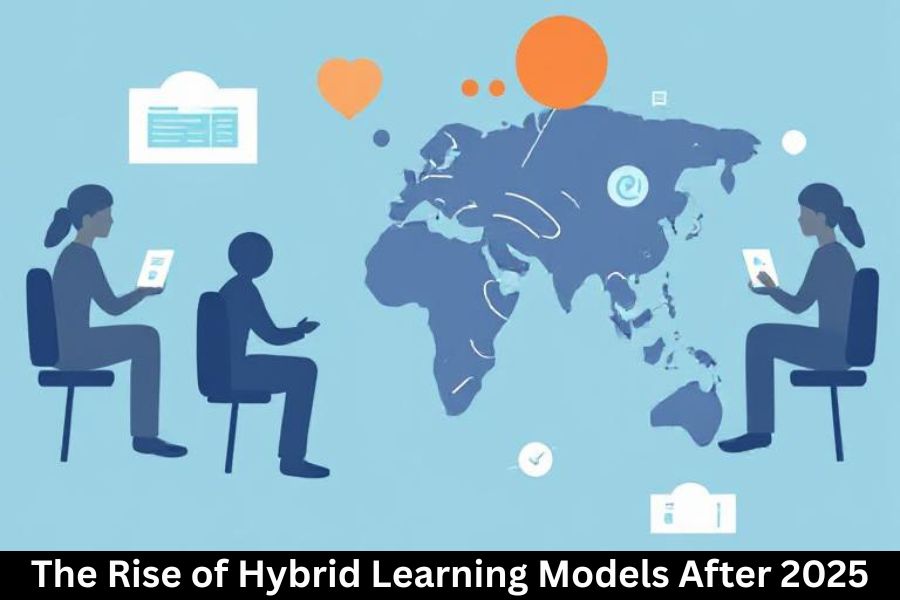
Hybrid learning refers to an educational model that combines both in-person and online learning methods. It allows students to attend classes physically while also participating in virtual lessons, offering a mix of face-to-face interactions and digital resources. In this flexible format, learning is not confined to a single environment; instead, it can happen anytime, anywhere.
The Evolution of Education
Education has continuously evolved, from traditional brick-and-mortar classrooms to the digital age where learning is increasingly facilitated online. The COVID-19 pandemic acted as a catalyst, accelerating the adoption of online education and hybrid models. Post-2025, we can expect hybrid learning to become a dominant approach as educational institutions seek ways to balance flexibility with engagement.
Why Hybrid Learning is Gaining Popularity
Hybrid learning offers flexibility, accessibility, and a personalized learning experience. With an ever-growing reliance on digital technology, students expect the freedom to learn at their own pace, from anywhere, and in a format that suits their individual learning styles. Educators, too, benefit from the hybrid model by reaching a wider range of learners and leveraging advanced tools to enhance teaching.
The Shift in Educational Paradigms
Traditional Learning vs. Online Learning
Before the rise of online learning, education was almost exclusively delivered in physical classrooms. However, the need for flexibility and access has driven the transition toward online education. Hybrid learning merges the best of both worlds—allowing students to benefit from face-to-face interaction while also taking advantage of the accessibility and resources available online.
The Need for Flexibility in Learning Models
As society becomes more fast-paced, individuals are seeking more adaptable and personalized learning experiences. Hybrid models allow students to choose how and when they engage with learning materials, helping them better manage their education alongside work or other commitments. Flexibility is key to keeping learners motivated and engaged, especially in higher education and adult learning environments.
Technology’s Role in Hybrid Learning
Advancements in EdTech
The evolution of educational technology has made hybrid learning possible. Platforms like Zoom, Google Classroom, and Moodle provide the foundation for digital classrooms, where students can access lessons, submit assignments, and interact with peers. The future of hybrid learning will see even more sophisticated tools, making education more immersive and interactive.
Tools and Platforms Supporting Hybrid Learning
New tools like virtual labs, interactive whiteboards, and collaborative software are transforming how hybrid classrooms operate. For instance, platforms like Microsoft Teams and Blackboard facilitate seamless integration between online and in-person activities. These tools allow real-time feedback, peer collaboration, and easy access to educational resources.
Artificial Intelligence and Personalization
AI has the potential to revolutionize hybrid learning by personalizing educational content to suit each student’s needs. AI-driven platforms can track student progress, identify weaknesses, and suggest tailored resources. As AI continues to evolve, it will play a central role in creating customized learning pathways for students.
Benefits of Hybrid Learning Models
Flexibility for Students and Teachers
One of the most significant advantages of hybrid learning is flexibility. Students can attend in-person classes when they need structure or prefer direct interaction with instructors, while also enjoying the convenience of online learning when they need more independence. This model also allows teachers to cater to different learning preferences and reach students more effectively.
Accessibility for Diverse Learners
Hybrid learning breaks down geographical barriers, allowing learners from around the world to participate in courses offered by top institutions. Students with disabilities, for example, can benefit from the ability to access materials and lessons at their own pace. The diverse formats of learning also support a wider range of learning styles, from visual to auditory and kinesthetic learners.
Improved Engagement and Retention
By integrating digital tools, hybrid learning creates a more interactive learning experience, which can increase student engagement. Gamified elements, quizzes, and discussion forums help keep learners actively involved. Moreover, the ability to revisit lessons and resources online improves retention and understanding.
Challenges of Hybrid Learning
Digital Divide and Inequality
While hybrid learning offers many benefits, it also raises concerns about the digital divide. Students in underserved communities may lack access to reliable internet, computers, or the necessary digital literacy skills to fully participate in hybrid education. This inequality poses a significant barrier to the widespread adoption of hybrid learning models.
Teacher Training and Adaptation
Teachers must undergo training to effectively manage both in-person and virtual classrooms. Some educators may struggle with the technology or lack the experience to facilitate engaging online lessons. Effective professional development is crucial to ensuring that teachers can successfully integrate hybrid learning into their teaching practices.
Balancing Synchronous and Asynchronous Learning
Hybrid models often feature a mix of synchronous (real-time) and asynchronous (on-demand) learning. Striking the right balance between these two formats is challenging. Too much synchronous learning can create scheduling conflicts for students, while too much asynchronous learning can result in disengagement. Finding the right mix requires careful planning and constant feedback from students.
Future Trends in Hybrid Learning Post-2025
Increased Use of Virtual Reality and Augmented Reality
As technology advances, we can expect virtual reality (VR) and augmented reality (AR) to play an increasingly important role in hybrid learning. Imagine walking through an ancient Roman city during a history class or conducting a virtual science experiment—all from the comfort of your home. These immersive experiences will enhance learning and create more engaging environments.
Gamification and Interactive Learning
Gamification is already an effective tool in many hybrid classrooms, and it will become even more prevalent in the future. With more game-based learning platforms available, students will experience learning in a way that feels more like play than work. This interactive and engaging model encourages critical thinking and problem-solving skills.
Global Collaboration Through Hybrid Learning
Hybrid learning will foster greater international collaboration among students and educators. With online platforms, students from different countries can work together on projects, participate in global discussions, and share knowledge across borders. This global exchange of ideas will enrich the learning experience and promote cultural understanding.
Impact on Traditional Educational Institutions
How Universities Are Adapting
As hybrid learning becomes more popular, universities are adapting their curricula and teaching methods. Many institutions are now offering hybrid courses, allowing students to choose between online and in-person attendance. Some universities are even offering fully hybrid degrees, combining online coursework with in-person internships or hands-on training.
The Role of Accreditation in Hybrid Learning
Accreditation is crucial to maintaining the integrity of educational programs. As hybrid learning grows, accrediting bodies will need to ensure that programs meet quality standards, even if they are delivered in a blended format. This will require ongoing adaptation and flexibility from accreditation organizations.
Hybrid Learning in K-12 Education
Hybrid learning is not limited to higher education—it is also being integrated into K-12 education. Many schools are adopting hybrid models to offer more flexible learning environments. This approach can be especially beneficial for students with special needs or those who need to balance school with other activities.
Global Perspectives on Hybrid Learning
Hybrid Learning in Developed Countries
In developed countries, hybrid learning has become increasingly mainstream. Schools and universities have access to the infrastructure needed to support this model, and the demand for flexible learning options is high. In countries like the U.S. and the UK, hybrid education is expected to continue growing post-2025.
Hybrid Learning in Developing Countries
In developing countries, the adoption of hybrid learning is still in its early stages. While some institutions have embraced the model, many face challenges such as limited internet access and a lack of technological resources. However, hybrid learning presents an opportunity for greater access to education, particularly for remote and underserved populations.
International Policy and Standards
As hybrid learning becomes more widespread, international cooperation and standardization will be essential. Governments and educational organizations will need to work together to develop policies that ensure equitable access to quality education and support the growth of hybrid learning on a global scale.
The Role of Hybrid Learning in Lifelong Learning
Upskilling and Reskilling Opportunities
With the rapid pace of technological advancement, lifelong learning has become essential. Hybrid learning models are ideal for upskilling and reskilling, providing adults with flexible opportunities to learn new skills while continuing to work. The accessibility of online courses and resources makes it easier than ever to engage in continuous learning.
Impact on Career Development
Hybrid learning can have a significant impact on career development by offering professionals the chance to acquire new knowledge and certifications. With the flexibility to study at their own pace, workers can enhance their qualifications and improve job prospects without taking time off from their careers.
Corporate Training and Hybrid Models
Many companies are adopting hybrid learning for employee training programs. By combining online learning modules with in-person workshops, businesses can create more flexible and cost-effective training solutions. This approach allows employees to learn at their convenience while still receiving necessary hands-on experiences.
Conclusion
The Future of Education is Hybrid
The rise of hybrid learning models post-2025 is inevitable. With technology advancing rapidly and educational needs shifting, hybrid models provide the flexibility, accessibility, and engagement that students, educators, and institutions are looking for. This model is poised to reshape the future of education and create a more inclusive, diverse, and innovative learning environment.
Preparing for a Hybrid Future
For students, teachers, and institutions to succeed in this evolving educational landscape, they must embrace the changes that hybrid learning brings. This includes adapting to new technologies, learning how to manage both in-person and online formats, and fostering a mindset of lifelong learning.
Final Thoughts
As we look to the future, hybrid learning will not only enhance the educational experience but will also redefine the way we learn and teach. The future is hybrid, and it’s time to prepare for a more flexible, accessible, and engaging educational world.
FAQs
What is hybrid learning?
Hybrid learning is an educational approach that combines in-person and online learning experiences, giving students the flexibility to learn in a way that suits their individual needs and preferences.
What are the benefits of hybrid learning?
Hybrid learning offers increased flexibility, accessibility, and engagement for students. It also allows for personalized learning experiences and can accommodate a variety of learning styles.
What are the challenges of hybrid learning?
Challenges include the digital divide, unequal access to technology, teacher adaptation, and balancing synchronous and asynchronous learning formats.
How can teachers adapt to hybrid learning?
Teachers can adapt by undergoing professional development, learning to use new technologies, and finding ways to keep students engaged in both online and in-person environments.
What technologies will shape hybrid learning post-2025?
Emerging technologies such as virtual reality, artificial intelligence, and gamification will play a significant role in enhancing hybrid learning experiences, making education more interactive and personalized.