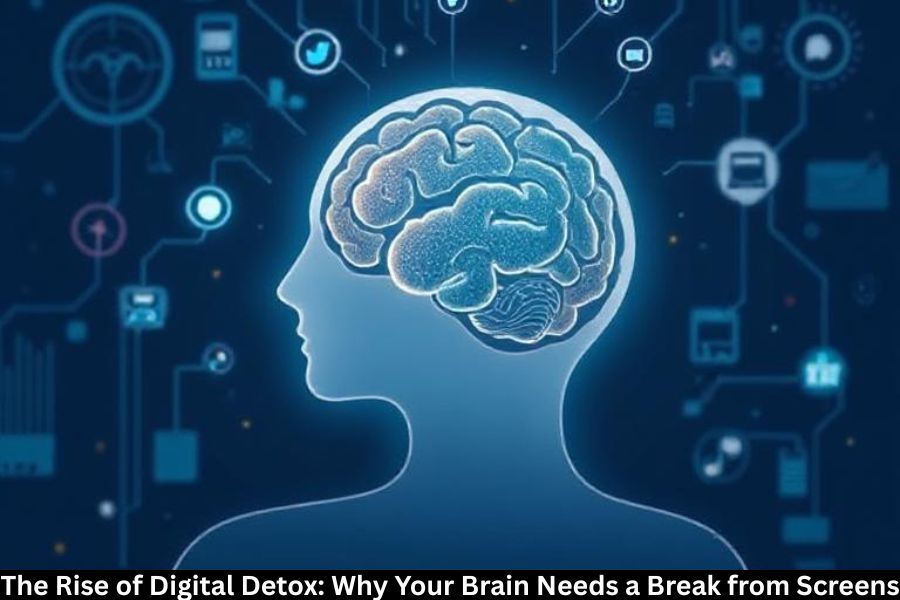
In today’s fast-paced, technology-driven world, it seems almost impossible to imagine life without screens. From smartphones and laptops to televisions and tablets, we spend a significant portion of our day staring at digital displays. However, as the benefits of technology grow, so do its negative impacts, particularly on our mental health. That’s where the concept of a digital detox comes into play—an intentional break from screens to refresh the brain and restore balance.
But why is this becoming so important? Why does your brain need a break from screens? In this article, we’ll explore the rise of digital detox and why it’s more necessary than ever.
What is a Digital Detox?
A digital detox refers to a period during which you intentionally disconnect from electronic devices, particularly those that are connected to the internet. The idea is to step away from the constant influx of digital information and notifications, which can overwhelm both the mind and body.
While the term “detox” might evoke images of extreme measures, a digital detox doesn’t necessarily mean cutting yourself off completely from all screens. It can be as simple as limiting your screen time each day or setting aside specific times to disconnect, whether it’s for a few hours or an entire weekend.
Why the Brain Needs a Break from Screens
You might wonder—why is it so important to take a break from screens? The short answer: our brains weren’t designed to process so much digital input.
When we are constantly glued to our devices, we expose our brains to high levels of cognitive overload. This continuous bombardment of information can lead to mental fatigue, stress, and even a decline in cognitive function over time. The brain struggles to filter out irrelevant information, leading to difficulty concentrating and processing essential tasks.
On top of this, research has shown that excessive screen time can interfere with brain plasticity, which is the brain’s ability to adapt and form new connections. This is especially concerning for children and adolescents, whose brains are still developing.
Signs You Need a Digital Detox
Have you ever felt mentally drained after a long day of staring at your phone or computer screen? Or maybe you’ve noticed that your attention span has shrunk, and it’s harder to focus on one task for any length of time. These are just a few signs that it may be time to take a break from the digital world.
Other signs include:
- Increased anxiety or stress when checking social media or emails
- Sleep disturbances, like trouble falling asleep or poor sleep quality
- Physical discomfort, such as headaches or eye strain
- Feeling overwhelmed or unable to unwind
- Social withdrawal, as you become more absorbed in digital content than real-life interactions
The Impact of Excessive Screen Time
Let’s take a deeper look at how screen time affects both our minds and bodies.
Stress and Anxiety
Constant notifications, messages, and emails create an ongoing sense of urgency, even when there’s no real need. Over time, this can lead to increased stress levels. The pressure to stay connected and be available at all times can create feelings of anxiety, leading to burnout and exhaustion.
Sleep Disruptions
Screens, especially the blue light emitted by phones and computers, can interfere with the production of melatonin, the hormone responsible for regulating sleep. This can lead to trouble falling asleep and disrupted sleep cycles. As a result, many people experience sleep deprivation, which in turn affects their mood, productivity, and overall well-being.
Attention Span and Memory Issues
Studies suggest that excessive screen time, especially on social media, can lead to a shortened attention span. The constant need for instant gratification and the habit of switching between multiple tasks at once can impair the brain’s ability to focus. This can also affect memory retention, making it harder to remember important details.
The Psychological Effects of Constant Connectivity
Ever feel like you’re addicted to checking your phone? That’s because you might be. Social media, in particular, is designed to trigger dopamine responses in the brain, giving us small bursts of pleasure whenever we get likes or comments. This creates a cycle of addiction, where we constantly seek validation through digital platforms.
FOMO (Fear of Missing Out)
Constant exposure to social media can also amplify FOMO, or the fear of missing out. The more time we spend online, the more we compare our lives to others, leading to feelings of inadequacy, jealousy, or loneliness.
How a Digital Detox Can Improve Your Mental Health
Taking time away from screens allows your mind to rest and reset. By disconnecting, you can experience significant reductions in stress levels and become more mindful of the present moment. Engaging in activities like meditation, nature walks, or spending quality time with loved ones can help restore emotional balance.
Physical Benefits of Taking a Break from Screens
It’s not just your mind that benefits from a digital detox—your body does too.
- Better posture: Spending less time hunched over a screen can reduce neck and back pain caused by poor posture.
- Reduced eye strain: Prolonged screen use can cause dry eyes, headaches, and blurry vision. A break from screens gives your eyes a chance to relax and recover.
- Improved sleep: By disconnecting before bed, you can restore natural sleep patterns and improve the quality of your rest.
Practical Steps for Implementing a Digital Detox
Ready to take the plunge? Here are some practical steps you can follow to start your digital detox:
- Set boundaries: Limit screen time by setting specific hours for using your devices.
- Designate screen-free zones: Create areas in your home where screens are not allowed (e.g., the dinner table or bedroom).
- Engage in offline activities: Pick up hobbies or engage in activities that don’t require screens, such as reading, exercising, or crafting.
How to Disconnect Without Feeling Isolated
One of the biggest fears people have when it comes to digital detox is feeling disconnected or isolated from their social circles. The key is to balance your offline and online interactions. Schedule regular face-to-face meetups or phone calls with friends and family to maintain healthy relationships.
Benefits of Digital Detox for Productivity
Surprisingly, taking a break from screens can actually boost your productivity. When you’re not distracted by constant notifications, you can focus better on the task at hand. This leads to improved concentration, creativity, and problem-solving abilities.
Digital Detox for Better Relationships
A digital detox can also enhance your personal relationships. By putting away your devices during social interactions, you’ll have more meaningful and present conversations, strengthening your connections with others.
How Often Should You Do a Digital Detox?
The frequency of a digital detox varies depending on individual needs. Some people might benefit from a daily detox, while others may only need it once a week or a few times a year. Start small, and adjust based on how you feel.
Overcoming the Challenges of a Digital Detox
At first, it might be difficult to unplug. You may experience withdrawal symptoms, such as anxiety or boredom. The key is to stay committed and remind yourself of the long-term benefits. Over time, it will get easier, and the rewards will be worth it.
Conclusion
In a world that’s constantly connected, it’s crucial to give our brains and bodies the break they deserve. A digital detox doesn’t just restore balance—it helps us reconnect with ourselves and the world around us. Whether you take a break for a few hours, a day, or longer, the benefits are undeniable. So, why not give it a try? Your brain will thank you for it.
FAQs
How long should a digital detox last?
A digital detox can last anywhere from a few hours to several days, depending on your needs and lifestyle.
What are some common signs that I need a digital detox?
Symptoms include anxiety, trouble focusing, disrupted sleep, and physical discomfort like eye strain or headaches.
Can a digital detox improve sleep quality?
Yes! Reducing screen time, especially before bed, can help restore natural sleep cycles and improve sleep quality.
How do I stay connected while doing a digital detox?
You can balance offline activities like meeting friends or family face-to-face, or calling them on the phone.
Is a digital detox good for my productivity?
Absolutely! Taking a break from screens can help improve focus, creativity, and overall productivity.