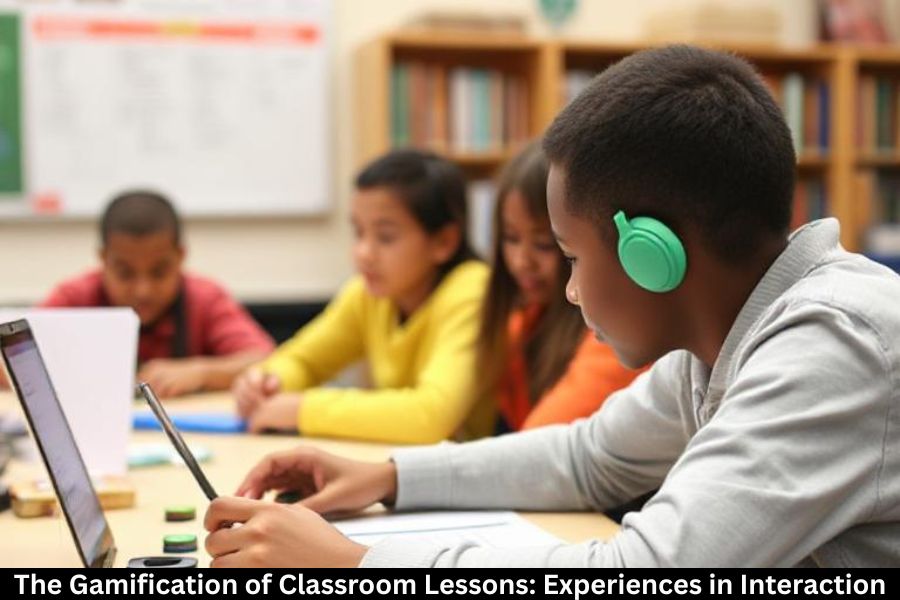
In today’s digital age, students are increasingly engaged with technology, and educators are harnessing this interest to transform the classroom experience. One of the most exciting trends in education is the gamification of lessons, where game-design elements are integrated into learning activities. This approach has revolutionized the way students interact with the material and with each other, creating more dynamic and engaging educational experiences.
But what exactly does gamification mean in the classroom, and why has it become such a popular tool for teachers around the world? In this article, we will explore the experiences and benefits of gamifying classroom lessons, and how it promotes interaction among students and teachers alike.
2. What is Gamification in the Classroom?
Explanation of Gamification in Education
Gamification refers to the use of game mechanics—such as points, badges, leaderboards, and challenges—in a non-game context to engage and motivate learners. In the classroom, it means applying elements of game design to encourage students to actively participate in their learning journey.
The Core Elements of Gamified Learning
Gamified learning often involves:
- Challenges: Tasks or missions that students must complete, often with a specific goal or reward.
- Progression: A visible measure of advancement, such as earning points or moving up levels.
- Competition and Collaboration: Leaderboards that encourage friendly competition or cooperative group-based activities.
- Rewards: Badges, certificates, or other incentives that motivate students to keep going.
3. Benefits of Gamification in Classroom Lessons
Increased Engagement and Motivation
One of the most immediate benefits of gamification is its ability to boost student engagement. When students feel like they are playing a game rather than just learning from a textbook, they are more likely to stay focused and excited about the lesson. The sense of achievement from earning points or completing challenges can be highly motivating, encouraging students to keep working and improving.
Fostering Collaboration and Teamwork
Gamified activities often involve group work, which promotes collaboration among students. By completing tasks together, students learn to communicate, share ideas, and problem-solve as a team. This helps develop essential social skills that are important in both academic and professional settings.
Promoting Active Learning
Traditional classrooms sometimes rely heavily on passive learning, where students listen to lectures and take notes. In contrast, gamification encourages active learning through interactive tasks, quizzes, and challenges. Students become more involved in their own learning process, which can lead to better retention of information.
Building Problem-Solving Skills
Gamified lessons often require students to think critically and solve problems in creative ways. Whether it’s working together to solve a mystery or using logic to complete a puzzle, gamification helps students develop problem-solving skills that are useful in all areas of life.
4. How Gamification Enhances Student Interaction
Creating Interactive Learning Environments
Gamification turns the classroom into an interactive space, where students aren’t just sitting passively but are actively engaging with the content. Teachers can create scenarios where students work on projects or compete in challenges, which makes learning feel more like an interactive game than a traditional class.
Encouraging Peer-to-Peer Interaction
Instead of working in isolation, students can collaborate and interact with one another during gamified activities. This peer-to-peer interaction helps students learn from each other, share ideas, and develop stronger relationships within the classroom.
Enhancing Teacher-Student Relationships
Gamification also helps break down barriers between teachers and students. When teachers use games and challenges, they become facilitators of learning rather than just instructors. This creates a more dynamic and approachable learning environment where students feel comfortable taking risks and asking questions.
5. Popular Gamification Techniques in the Classroom
Points, Badges, and Leaderboards
Points and badges are common gamification elements used in classrooms. Points can be awarded for completing tasks, answering questions, or achieving specific goals. Badges can be earned for reaching milestones or demonstrating mastery in certain subjects. Leaderboards add an element of competition, encouraging students to strive for improvement.
Quests, Challenges, and Missions
Gamified lessons often incorporate quests or challenges, where students must complete specific tasks within a certain time frame. These tasks might involve problem-solving, group activities, or creative exercises. Completing these “missions” can unlock rewards or lead to higher levels.
Game-Based Learning Apps and Tools
Many teachers use educational apps and tools to gamify their lessons. Platforms like Kahoot!, Quizizz, and Classcraft allow teachers to create interactive quizzes, team challenges, and virtual worlds where students can participate in educational games that align with the curriculum.
Interactive Storytelling
Storytelling is another powerful gamification tool. Teachers can design lessons around interactive narratives, where students must make choices or complete challenges that affect the story’s outcome. This approach combines gamification with creative thinking and helps students immerse themselves in the learning process.
6. Challenges of Implementing Gamification in the Classroom
Time and Resource Constraints
Gamifying classroom lessons can require significant time and resources. Teachers must plan and prepare game-based activities, which may involve additional technology or materials. In some cases, schools may lack the necessary resources to fully implement gamified lessons.
Balancing Gamification with Curriculum Goals
It’s important that gamification doesn’t distract from the core curriculum. Teachers must ensure that the games and activities align with educational objectives and that students are still learning the essential content.
Overcoming Resistance from Traditionalists
Some educators may be resistant to gamification, especially those who are used to traditional teaching methods. Overcoming this resistance requires a shift in mindset and an understanding of how gamification can enhance, rather than detract from, the learning experience.
7. Case Studies: Successful Gamification in the Classroom
Example 1: Using Kahoot! for Interactive Quizzes
Kahoot! is a popular game-based learning platform that allows teachers to create interactive quizzes. Students compete in real-time, answering questions on various topics. This approach makes review sessions fun and engaging, with immediate feedback on student performance.
Example 2: Minecraft Education Edition for Creative Learning
Minecraft Education Edition offers a sandbox environment where students can build and explore worlds while learning about history, mathematics, and science. It encourages creativity, collaboration, and critical thinking.
Example 3: Duolingo for Language Learning
Duolingo uses gamified elements like levels, points, and achievements to teach languages. It’s a great example of how gamification can make language learning more engaging and accessible, even for students outside the traditional classroom setting.
8. The Role of Technology in Gamified Learning
How Technology Facilitates Gamification
Technology plays a pivotal role in gamified learning, providing the tools necessary to create immersive and interactive educational experiences. Learning platforms, educational apps, and online games allow teachers to incorporate gamification in ways that were previously not possible.
The Growing Influence of EdTech Platforms
Educational technology platforms like Google Classroom, Seesaw, and Edmodo are making it easier for teachers to integrate gamification. These platforms offer features like gamified grading systems, rewards, and interactive lesson plans that enhance the learning experience.
9. The Future of Gamification in Education
Emerging Trends in Gamified Learning
The future of gamification in education looks promising. As more schools embrace digital learning, the potential for creating engaging, interactive lessons will only increase. Technologies like virtual reality (VR) and augmented reality (AR) may take gamified learning to the next level, providing even more immersive experiences.
The Potential for Virtual Reality and Augmented Reality in Education
VR and AR could make gamified learning even more interactive. Imagine students using VR headsets to step into a historical event or exploring scientific concepts in 3D. These technologies could revolutionize the way students engage with the curriculum.
10. Conclusion
Gamification has the power to transform traditional classroom lessons into engaging, interactive experiences that motivate students and foster collaboration. By integrating game mechanics like points, challenges, and rewards, teachers can create a dynamic learning environment that encourages active participation and critical thinking. The future of gamification in education looks bright, with the potential for even more exciting developments as technology continues to evolve.
FAQs
1. What is gamification in the classroom?
Gamification in the classroom refers to the use of game-like elements such as points, badges, challenges, and leaderboards to engage students in the learning process.
2. How does gamification increase student motivation?
Gamification makes learning feel like a game, which increases excitement and engagement. Earning points or completing challenges gives students a sense of achievement and motivates them to keep progressing.
3. Can gamification be used for all subjects?
Yes, gamification can be applied to any subject. Whether it’s math, science, history, or language arts, gamified activities can enhance learning and make the material more engaging.
4. Are there any downsides to gamification?
Some challenges include time and resource constraints, as well as the need to balance gamification with curriculum goals. Additionally, not all students may respond positively to competitive elements.
5. How can I start gamifying my classroom?
Start small by using tools like Kahoot! for quizzes or incorporating simple reward systems. As you become more comfortable, you can explore more complex gamified lessons and platforms.