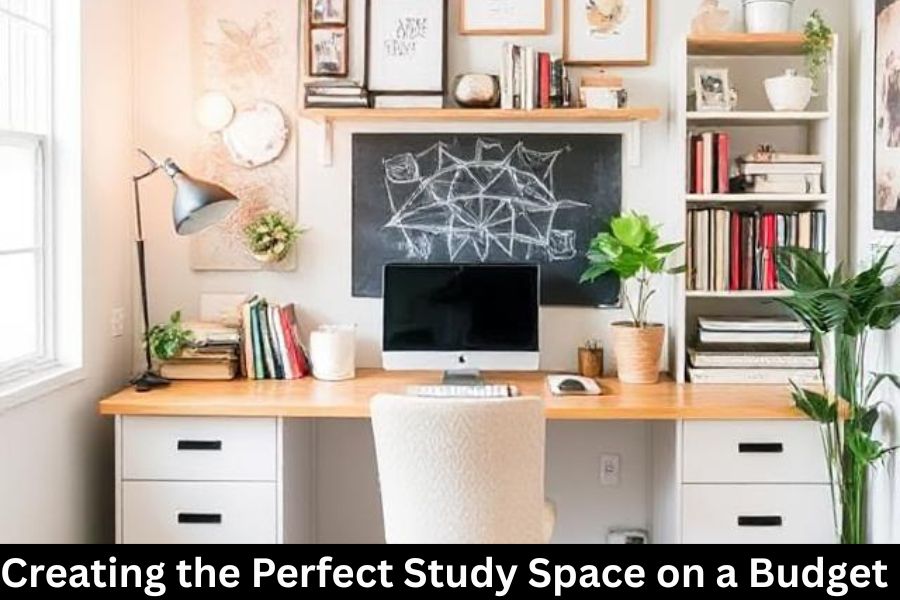
Creating a study space doesn’t mean you need a Pinterest-perfect room or expensive furniture. What really matters is having a comfortable, organized, and motivating area that helps you focus. And the best part? You can build it even with a tight budget. Let’s break it down into small, practical steps so you can create a perfect study nook without emptying your wallet.
Understanding What You Really Need
Identifying Your Study Habits
Do you study for long hours or in short bursts? Do you prefer silence or background noise? Understanding your own habits helps you design a study setup that works for you, not just something that looks good.
Setting Priorities Before Buying Anything
Before spending money, list out what is truly essential—desk, chair, lighting, and storage. Everything else can come later. This saves money and avoids impulse purchases.
Choosing the Right Location
Finding Quiet Corners at Home
Look for low-traffic areas—bedroom corners, near a window, or even a small landing. Peaceful surroundings improve focus.
Making Use of Unused Spaces
Sometimes the best study spot is where you least expect it:
- Under the staircase
- A section of the living room
- A closet converted into a mini study zone
Lighting and Natural Brightness
Try to set up near a window. Natural light reduces eye strain and boosts mood. If windows aren’t an option, inexpensive lighting solutions work just fine.
Affordable Furniture Solutions
Budget-Friendly Desk Ideas
You don’t need a fancy desk. A simple flat surface is enough.
DIY Desks
Use items you already have:
- A sturdy stool and a wooden plank
- Old dining tables
- Repainted or polished boards
Second-Hand Furniture
Check thrift stores, garage sales, and online marketplaces. Many great desks come at a fraction of the price.
Low-Cost Seating Options
A comfortable chair matters, but it doesn’t need to be expensive. Add a cushion, lumbar pillow, or even roll up a blanket for support.
Organizing Your Study Space Cheaply
Dollar-Store Storage Hacks
Get baskets, file holders, and drawer organizers for cheap. Organization boosts productivity more than you think.
Upcycling Household Items
- Glass jars for pens
- Cardboard boxes for supplies
- Shoe boxes for books or gadgets
Minimalist Organization Tips
Keep only what you need on your desk. A clutter-free space equals a clutter-free mind.
Lighting on a Budget
Inexpensive Desk Lamps
Look for basic LED desk lamps that offer brightness settings. They’re energy-efficient and affordable.
Using LED Strips Creatively
LED strips around your desk add ambiance and improve visibility without costing much.
Adding Personal Touches Without Overspending
DIY Décor Ideas
Handmade crafts, dried flowers, and painted jars bring life to your study corner.
Printable Wall Art
Download free printable quotes or minimalist art online. All you need is a printer.
Photos and Vision Boards
A motivation board with goals and inspirational photos can keep you energized.
Boosting Productivity with Smart Accessories
Cheap Tech Accessories
- Affordable phone stands
- Budget-friendly laptop risers
- Cable organizers
Affordable Noise-Reduction Solutions
If noise distracts you, try:
- White noise apps
- Inexpensive foam panels
- Noise-blocking curtains
Keeping Your Study Area Clutter-Free
Simple Daily Habits
End each study session by putting things back in place. It takes only minutes but makes a huge impact.
Weekly Reset Routine
Once a week, declutter and reorganize your space. This helps maintain a pleasant study environment.
Maximizing Small Spaces
Vertical Storage
Use shelves, pegboards, or wall hooks to save desk space.
Foldable Furniture Options
Folding desks and chairs work great for small rooms and can be easily put away.
Creating a Motivating Atmosphere
Scents and Ambiance
Light a scented candle or use fragrance diffusers to create a calming vibe.
Using Sound for Focus
Try soft instrumental music, nature sounds, or productivity playlists to stay in the zone.
Conclusion
Creating the perfect study space doesn’t need to cost a fortune. All you need is creativity, a bit of planning, and the willingness to make the most out of what you already have. With budget-friendly choices and smart organization, your ideal study corner is absolutely achievable. A good study space isn’t about luxury—it’s about comfort, inspiration, and focus.
FAQs
1. What is the most important element in a study space?
A comfortable workspace and good lighting matter the most.
2. How can I decorate my study space cheaply?
Use DIY décor, printable art, or upcycled materials.
3. Do I need an expensive chair for studying?
Not at all—add cushions or support to any basic chair.
4. How can I reduce distractions in my study area?
Choose a quiet area and use background sounds or noise blockers.
5. What if I have very limited room space?
Use vertical storage and compact or foldable furniture.