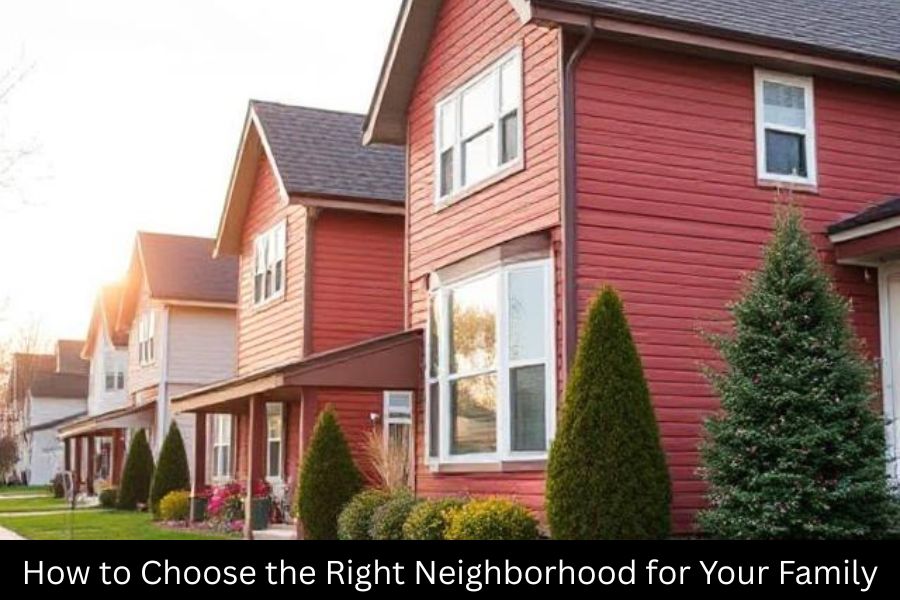
Choosing the right neighborhood isn’t just about finding a place to live—it’s about choosing a space where your family can grow, thrive, and create lifelong memories. The community you settle into shapes your daily routine, your children’s future, and even your long-term financial stability. So, how do you make the right choice? Let’s break it down step by step.
Understanding Your Family’s Needs
Assessing Lifestyle Priorities
Every family is unique. Some love peaceful streets lined with trees, while others enjoy vibrant urban neighborhoods full of life. Think about what matters most to you. Do you want quiet evenings? A sense of community? A fast-paced city vibe? Your lifestyle preferences will guide your search.
Considering Children’s Requirements
If you have kids—or plan to—your neighborhood must be safe, social, and kid-friendly. Look for parks, open spaces, and sidewalks. Ask yourself: Will my kids make friends here? Will they be safe walking or biking around? These little things add up to a big part of family life.
School Quality and Education Options
Public vs. Private Schools
Schools often make or break a neighborhood choice. Whether you prefer public or private, look into the educational standards around the area. A good school district can significantly boost property values and your child’s future opportunities.
Checking School Ratings and Reviews
Browse online ratings, but don’t rely on them blindly. Visit the schools, talk to teachers, meet parents, and observe how students behave. Sometimes the real story doesn’t show up in statistics.
Extracurricular and Learning Support
A school’s role extends beyond the classroom. Check if the neighborhood offers tutoring centers, dance classes, sports academies, or art programs. These opportunities can enrich your child’s development.
Safety and Security Factors
Crime Rates
Safety is non-negotiable. Look at crime statistics for the area and the type of crimes frequently reported. A low-crime community gives peace of mind and a better environment for children.
Neighborhood Watch Programs
Some areas have strong community-led safety initiatives. A neighborhood watch group shows that people care about keeping their surroundings safe.
Child-Friendly Streets and Traffic Flow
Check how busy the streets are. Are there speed breakers? Pedestrian crossings? Safe intersections? A child-friendly street layout is a bonus for families.
Affordability and Cost of Living
House Prices and Rent Trends
A beautiful neighborhood won’t help if it’s beyond your budget. Explore current prices and long-term market trends. You want a location that fits your budget and has growth potential.
Taxes and Utility Costs
Taxes vary dramatically between areas. From water bills to property taxes, everything impacts your monthly and yearly expenses.
Future Appreciation Potential
Choose a neighborhood with long-term growth. A rising area means your home value increases over the years, adding financial security.
Accessibility and Daily Convenience
Commute Time to Work
Long commutes can drain your energy and steal time from your family. Pick a location that offers a reasonable travel time to your workplace.
Proximity to Hospitals and Services
Accidents and emergencies happen. Being close to good hospitals, pharmacies, and clinics adds an extra layer of safety.
Access to Grocery Stores and Essentials
Daily essentials shouldn’t require a long drive. Check distances to supermarkets, gas stations, and convenience stores.
Community and Culture
Neighborhood Vibes
Every area has its own personality. Some feel warm and welcoming; others are more private. Explore both day and night to get a real feel.
Events, Festivals, and Participation
Communities with regular activities tend to be more connected. Festivals, clean-up drives, and local gatherings tell you a lot about the neighborhood’s values.
Diversity and Inclusiveness
A diverse community helps your family grow with broader perspectives and healthier social interactions.
Amenities and Recreational Facilities
Parks and Playgrounds
A family-friendly neighborhood always has parks. They’re great for kids, pets, and even adults looking for fresh air.
Sports and Fitness Centers
Gyms, swimming pools, cricket grounds, or cycling tracks can make your lifestyle more active and enjoyable.
Libraries and Community Halls
These spaces encourage learning, socializing, and building bonds with neighbors.
Future Development Plans
New Construction Projects
Upcoming malls, universities, or tech parks can drastically improve an area—or make it too crowded. Research future developments before deciding.
Infrastructure Improvements
Projects like new highways, metro lines, or flyovers can decrease commute times and increase property value.
Long-Term Impact on Property Values
Future plans can be good or bad. Make sure you understand how they’ll affect the neighborhood over the next decade.
Visiting the Neighborhood in Person
Observing Day-to-Day Life
Online research helps—but nothing beats visiting the area. Walk around, visit local shops, and watch how people interact.
Speaking with Residents
Residents will always tell you the real story. Ask about noise, maintenance, safety, and community culture.
Checking Noise Levels and Cleanliness
Is it peaceful? Are streets clean? Are there loud bars nearby? Small details matter.
Making the Final Decision
Creating a Pros and Cons List
Write everything down. It helps you compare options clearly without getting overwhelmed.
Involving Every Family Member
Everyone should have a say. After all, you’re building a life together.
Trusting Your Gut Feeling
Sometimes the right place just feels right. Trust your instincts.
Conclusion
Choosing the right neighborhood for your family is more than a checklist—it’s about finding a place that feels safe, supportive, and full of opportunities. When you consider safety, amenities, schools, culture, convenience, and future growth, you set the foundation for a happy life. Take your time, explore thoroughly, and make a decision that brings peace and joy to your entire family.
FAQs
1. What is the most important factor when choosing a neighborhood?
Safety and education often top the list, but the best factor depends on your family’s lifestyle and priorities.
2. How do I know if a neighborhood is safe?
Check crime statistics, speak with residents, and observe security measures like street lighting and watch groups.
3. Should my kids’ school really influence my choice?
Yes—school quality affects your child’s future and can even impact property values.
4. How many times should I visit a neighborhood before deciding?
Ideally, visit multiple times at different hours to get an accurate feel.
5. Is it better to choose an established neighborhood or a developing one?
Established areas offer stability, while developing areas offer lower prices and high potential. Choose based on budget and plans.